2026 Guide to the Best Sustainable Brands for Organic Cotton Bras
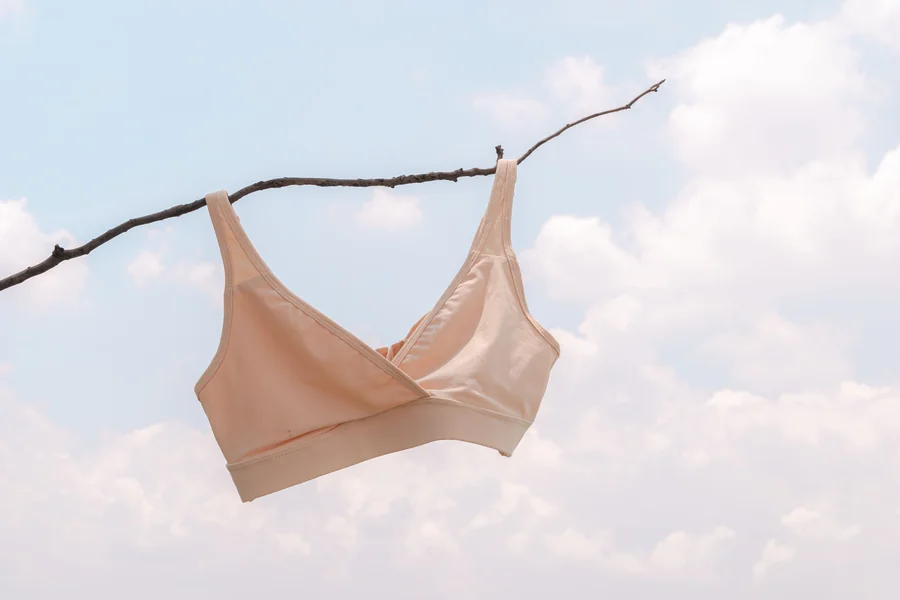
Not all brands that place an “eco-friendly” tag on their product are worth considering. Organic cotton bras occupy a precarious middle ground, and are both a very personal item which cannot be compromised for comfort, and a category where greenwashing abounds. After poring over many brands, both by certification records, material sourcing, and actual consumer voicing, it was pretty evident how far short of the mark most brands were on the genuine face of the ecological being. After a careful study of the scores of different brands by the time they are genuinely eco-conscious and the time it’s marketing spin, the difference between the two became very clear. This guide discusses the brands of which you should have faith and which you can trust.
For this ranking, all decisions were made based on publicly available information, such as shopper reviews, brand transparency pages, third-party certification records and retail directories. Those brands that had a history of providing sustainably or ethically produced intimate apparel were selected.
Why Picking the Right Sustainable Brands Matters
Organic cotton bras aren’t just a small transaction, particularly when you take into account pricing that is extremely more likely to surpass that of conventional cotton bras. That’s a good thing because certified organic materials, ethical work practices and chemical-free production all come at a higher price. The hard part is that some brands are really at it and some are using the word “sustainable” but really it’s just empty words.
Any brand that can demonstrate a legitimate accreditation should be worth a higher investment because they can show where they’re made. Those details translate directly into real-world results—better and cleaner products for sensitive skin, better and fairer wages for those who make your clothes, and a reduced environmental impact throughout the service life of your garment.
This decision will have lasting consequences. Not only for your complexion, but for the supply chains that you’re participating in.
Top 5 Sustainable Brands Breakdown and Comparison
Note: All data in this table is sourced from review platforms and the official websites of the listed companies.
| Company Name | Established | Headquartered In | Best For |
| Q for Quinn | – | – | Sustainable everyday items and organic cotton clothing |
| AmpleBosom | 1999 | Old Byland, North Yorkshire, UK | Plus-size lingerie and intimate apparel retail |
| Siella | 2020 | Montreal, Canada | Sustainable lingerie and everyday comfort wear |
| Roaman’s | 1989 | Indianapolis, United States | Plus-size women’s fashion |
| BestForm | 1985 | Camarillo, CA | Business forms and custom printing manufacturing |
Q for Quinn – Best for Sustainable Everyday Items and Organic Cotton Clothing
What Does Q for Quinn Do?
Q for Quinn is a family-owned brand focused on everyday staples built from organic cotton and merino wool. Their range covers socks, underwear, and essential items, all made in certified facilities in Portugal and Sri Lanka. Shoppers looking for an organic cotton bra by Q for Quinn will find products designed for sensitive skin, free from harmful chemicals, and produced under verified safe working conditions. That combination of material transparency and ethical manufacturing is genuinely rare at this price point.
Why Q for Quinn Stands Out for Sustainable Brands:
Patients who want to avoid any chemicals in intimate pieces or are suffering from one or more skin sensitivities have been rewarded with a brand that solves both issues. Certified organic materials. Production sites that are tested independent of others. It’s in the interest of a responsible brand to be transparent about what goes into the fabric and who makes it, not just the right words and phrases.
Summary of Real User Reviews:
Comfort is the thing customers keep coming back to mention, particularly around softness and breathability during everyday wear. There’s also a consistent thread of shoppers saying these pieces work well for sensitive skin where conventional alternatives didn’t. That level of repeat reinforcement on a specific benefit is a strong signal that the product actually delivers.
AmpleBosom – Best for Plus-Size Lingerie and Intimate Apparel Retail
What Does AmpleBosom Do?
AmpleBosom is a UK-based retailer, founded entirely around inclusive sizing since 1999. From AA to N cups and 28 to 58 bands, they carry bras, lingerie, swimwear, nightwear and clothing for an outstanding range. It features renowned brands such as Empreinte, Elomi and Fantasie and provides both in-store and online bra fitting tips. If you are someone who has previously been unable to get intimate clothing that fits them like a glove, you will find this one of the more complete ones available.
Why AmpleBosom Stands Out for Sustainable Brands:
It’s a particular challenge to find quality intimate apparel for customers who don’t fall within the standard sizes. Because the 25-years they’ve spent in that exact space, AmpleBosom knows fit like no other retailer. It was good that they were recruited by the BBC in 2000 and have still been going strong almost 20 years later.
Summary of Real User Reviews:
The size categories that are regularly overlooked (N cups, 50+ band sizes, for example) are consistently touched upon as great customer service by customers. Customers who not only use a virtual fitting service but are caught up in its practicality especially commend it. The true value appears to be recommendations based on a thorough understanding of the product, rather than just the product lines.
Siella – Best for Sustainable Lingerie and Everyday Comfort Wear
What Does Siella Do?
Created in 2020 by the team of Siella, a lingerie brand based in Montreal and with a background in the manufacturing of lingerie for Chateau Bodywear for 75 years. They develop wireless bras, underwear and loungewear, focusing on options for organic cotton and what they describe as a “second skin fit. The pricing is between $25 – $105 USD, making them easily accessible yet not too cute and cuddly to fit into the fast fashion category. Its undergarments also receive a social boost as the brand donates to Women’s Shelters Canada.
Why Siella Stands Out for Sustainable Brands:
One of the tougher challenges in sustainable lingerie is on the price, since it is important to be accessible to the general public and not too expensive. Chateau Bodywear’s vertical manufacturing solution does just that. Less turnover, more quality control, and a more streamlined fabric to finished product turnaround.
Summary of Real User Reviews:
Canadian media outlets have selected Siella as one of their better-in-house swimsuit choices, aligning with the preferences of its customers for fit and material. Wireless designs are always appreciated by the shoppers when they are not compromising on support – which isn’t in all cases simple to get, actually. Social giving is also heralded in a positive light, so that implies that customers are aware and sensitive to this aspect.
Roaman’s – Best for Plus-Size Women’s Fashion
What Does Roaman’s Do?
Based in Indianapolis, Roaman’s is a store dedicated solely to plus-size women’s wear (sizes 12W-44W) since 1989, including petite and tall sizes. They also offer rewards programs and style boxes so that they are easy to use and sell both via web and catalog, as well as credit card channels. The brand places a focus on comfortable fit for fuller figure and around the fashion forward designs at affordable price points.
Why Roaman’s Stands Out for Sustainable Brands:
Roaman’s decades-long specialization means that its sizing extends beyond most mainstream retailers, especially for those who require extra sized items in a category that doesn’t cater to them. That’s the kind of experience that they’ve had in this size range that newer brands don’t necessarily have.
Summary of Real User Reviews:
Consumers like the extent of sizes available and how the styles are integrated with the standard-sized lines. Despite all the change, a loyal customer base continues to place their catalog shopping orders, indicative of a brand that’s remained faithful to its customers over time. According to the reviews, reliability and range are the two attributes that consistently aid customers to return.
BestForm – Best for Business Forms and Custom Printing Manufacturing
What Does BestForm Do?
BestForm is a Camarillo-based B2B manufacturer founded in 1985, specializing in business forms, membership cards, integrated labels, custom printing, and variable barcoding. They operate as a trade-only manufacturer, meaning their clients are businesses rather than individual consumers. Their reputation is built around responsive development and the ability to handle complex, custom printing challenges at scale.
Why BestForm Stands Out for Sustainable Brands:
For businesses where documentation, labeling, or certification printing is part of the supply chain process, having a manufacturer with 40-plus years of specialized print production is a practical advantage. Their trade-only model means they’re set up to handle volume and technical demands in ways that general printing services are not.
Summary of Real User Reviews:
BestForm’s client feedback tends to center on responsiveness and the ability to solve unusual printing requirements without a lot of back-and-forth. That’s exactly what business clients need when deadlines are tight. For a niche B2B manufacturer, that kind of consistency across reviews is a decent signal of operational dependability.
Research Methodology and Selection Process
Initial Data Collection
The starting point for this ranking was a broad scan of available sources: specialty retail directories, eco-focused review platforms, consumer advocacy databases, and the official websites of brands operating in the organic cotton intimate apparel space. The goal was to cast a wide net before applying any filters, capturing both well-known names and smaller brands that had earned real attention in the market.
Shortlisting Phase
From that initial pool, options were narrowed based on a few non-negotiable criteria. Brands with no verifiable manufacturing information, no third-party certifications, and no documented review history were removed early. Review patterns were analyzed for consistency, since a brand with five strong reviews across three years tells a different story than one with 200 reviews spanning a decade of regular customer interaction.
Verification of Claims
Environmental claims were cross-checked against what shoppers actually reported. A brand can say “organic” on its homepage, but if reviews don’t reflect the softness, breathability, or chemical-free properties associated with genuine organic cotton, that’s a red flag. Where possible, certification claims (such as GOTS or OEKO-TEX mentions) were checked against what the brand’s own pages disclosed rather than taken at face value.
Authority and Industry Contribution Layer
Media mentions, editorial features, and third-party recognition were factored in here. A brand that has been covered by consumer publications, featured in size-inclusive fashion roundups, or noted by industry outlets carries a different weight than one relying entirely on self-reported credentials. This layer helped separate brands with external validation from those operating solely on their own claims of authority.
Sustainable Brands-Specific Evidence
The final filter was the most precise: Does this brand have dedicated product pages, verified certifications, and shopper reviews that speak directly to the organic cotton bra category? Brands that showed up in broad searches but lacked any real depth in this product area were excluded. What remained was a short list of brands with documented evidence of operating meaningfully in the organic cotton intimate apparel space, backed by real shopper experience and, where available, third-party certification adherence.
Read More: Pink Feather Heels Style Guide for Every Fashion Lover
How to Choose the Right Sustainable Brands
Picking a sustainable bra brand involves more than checking for an eco badge on a product page. The right choice depends on how well the brand’s practices hold up when you look past the marketing.
- Industry and Domain Experience: Look for brands with a clear focus on natural materials and intimate apparel, not just general “sustainable” claims. Experience in this specific product category matters for fit, comfort, and durability.
- Features and Service Catalog: Check whether the brand offers certified organic materials, size-inclusive ranges, and detailed product information. Transparency here is a strong trust signal.
- Pricing Structure: Sustainable production costs more, and that’s a fair tradeoff. But pricing should reflect real material and labor standards, not just a premium for the label.
- Results Measurement: Can the brand point to specific metrics, like organic material percentages, supplier audit results, or water usage reductions? Brands that measure their impact are the ones taking it seriously.
- Industry Knowledge and Environmental Certification Adherence: Look for well-known certifications such as GOTS, OEKO-TEX, or SA8000. These aren’t perfect systems, but they’re far better than a self-declared commitment with no third-party oversight.
Bottom Line
Choosing from the Best Sustainable Brands for organic cotton bras comes down to material transparency, verified certifications, and a track record shoppers can actually trust. Q for Quinn stands out for its certified organic production and skin-sensitive design, while brands like Siella and AmpleBosom bring meaningful strengths in manufacturing oversight and inclusive sizing. As consumer demand for genuinely clean, ethical intimates keeps growing, the brands that back their claims with documentation will continue to earn the loyalty that greenwashers simply can’t hold.