1920s Hat: A Complete Guide to the Iconic Headwear of the Roaring Twenties
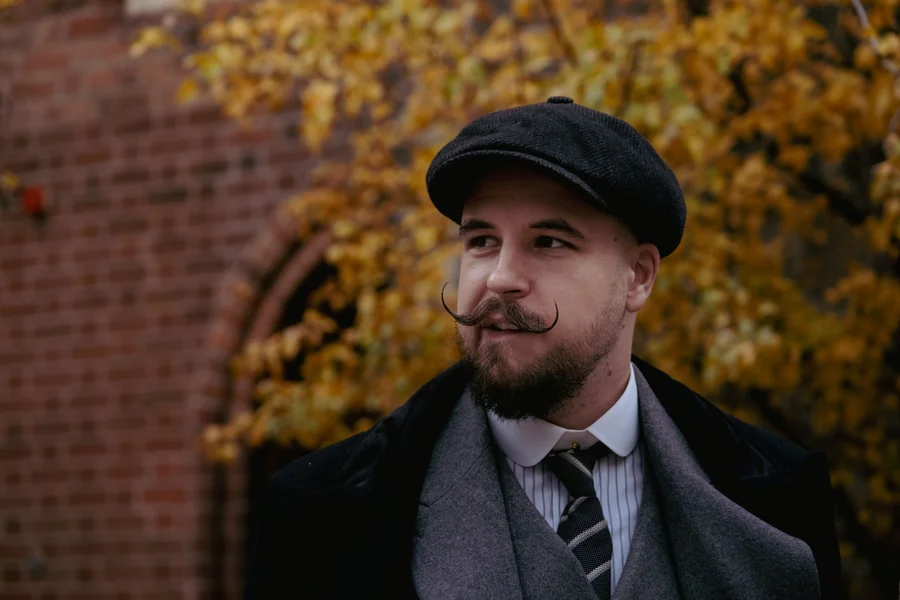
The 1920s hat was so much more than an accessory, it was a necessary element of daily fashion. In the Roaring twenties, hats were a symbol of fashion, status, and taste. Regardless of whether one was going to a classy party in the evening, going to work or on a weekend outing, having a hat was regarded as normal about getting dressed.
There was a dramatic fashion change in the 1920s. Clothing became less restrictive to women, tailoring to men became more refined as well as the accessories adapting to these new trends. With these trends came hats that were more and more diminutive but smoother and practical without losing their sense of classiness. The decade also brought about some of the most popular hat styles in the history of fashion with several of them remaining popular among designers today.
Starting with the well known cloche hat of the high society women, going down to the well known fedora of the high society gentlemen, the headwear came to carve out a stylistic mark in the period. Vincent lovers of vintage, costume designers and fashion-loving people admire them to this day, even after 100 years.
Why Hats Were Essential in the 1920s
This was not the case with the hats as they were perceived to be a need of the day in the 1920s unlike what is experienced now where people mostly wear hats to special events. It was not common to leave home without one, both to men and women.
A number of reasons made them so popular. The society practices and traditions made individuals dress up in style in front of other people and hats provided a final touch of an outfit as far as shoes or jackets do the same function presently. They were also useful in nature, serving as shields against the sun, wind and rain.
Fashion magazines constantly showed newer models of hat designs and new collections with changing clothes were introduced by department stores according to fashion changes. It was typical to own a set of hats that you can wear on various occasions, which depended on the ability to buy them.
The development of cinema also had its actual role. Cinematographic actors and actresses often wore fancy headwear which made viewers imitate their appearance. Hat designs were created to keep up with the emerging fashions of the time, as hairstyles changed, with the short bob haircut gaining favor among the youth subculture.
Popular 1920s Hat Styles
The 1920s presented several types of unique hats, that fit various occasions and characters.
Cloche Hat
The hat with a cloche turned out to be the iconic hat worn by women of the decade. It was named after the French belle (bell) and had a close and bell-shaped shape, which was low on the forehead.
Bears and cloche hats were typically crafted of felt, velvet, or straw, based on the season, and could also have some decorative ribbons or embroidery, beads, or other small brooches. Their smooth, curvilinear form was the perfect complement to the trendy bob haircut, which represented shaping up to modern womanhood.
Women wore cloche hats and drop-waist dresses, long necklaces made of pearls, and T-strap shoes establishing the typical flapper image that is thriving nowadays.
Fedora
During the decade, the fedora became more popular with men. They were crafted out of plush felt with a pinched crown and medium brim that provided comfort and sophistication.
Fedoras were demonstrated to be compatible with just about all clothes, business suits as well as with casual overcoats. They exuded a sense of confidence without being too formal, thus becoming one of the most versatile accessories of their time.
Bowler Hat
Even though it was introduced a few decades ago, the bowler still appeared to be a favorite in the 1920s, especially among businessmen and professionals.
Its stiff and rounded crown made it look purposely polished and made it fit urban life. Together with tailored suits and shiny shoes, it was a conventional gentleman style.
Boater Hat
The straw boater was popular in the spring and summer. Its flat crown, with a ribbon decoration, and a flat brim made it a lighter weight alternative to felt hats.
Boaters were also brought out on a basis of leisure sophistication especially at sporting events, garden parties and boating trips.
Newsboy Cap
Many of the men wore newsboy caps, particularly on more casual occasions. Blended with tweed, wool, or cotton, these soft caps were convenient and at the same time fashionable.
Nowadays the newsboy cap is popular as vintage accessory.
Materials, Colors, and Decorative Details
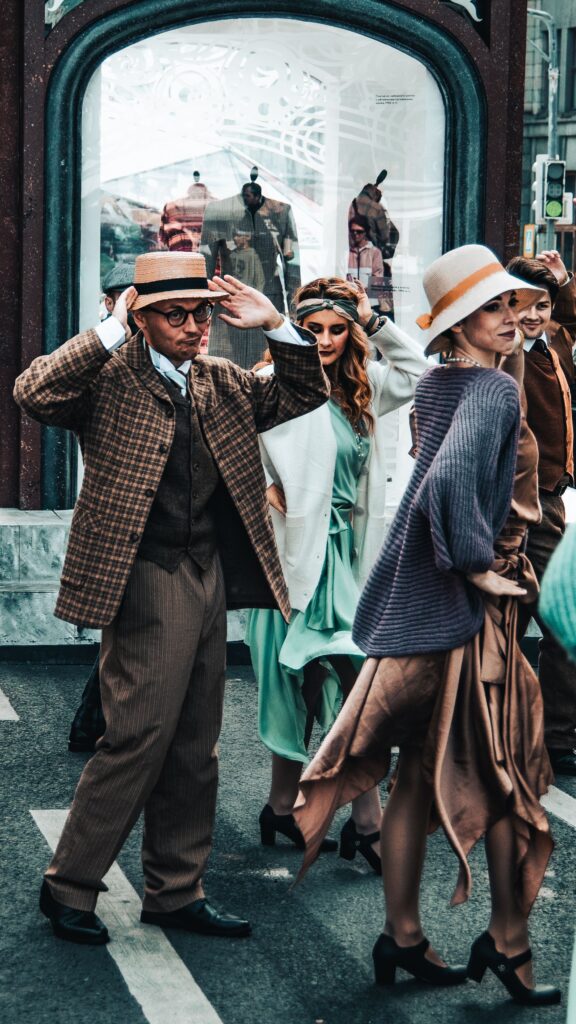
The attractiveness of a hat of the twenties was not in its form alone. The use of high-quality materials and fine details was used to make this design unique compared to others.
Felt was a popular material used to make winter and autumn hats as it was warm and durable. Trendy wool and velvet were given, and both were cost effective and offered a luxurious touch to wear around evening hours.
In warm weather, straw hats were a better choice as they were light and comfortable.
Silk ribbons, feathers, embroidery, sequins, lace, beads and jeweled pins were often used as decoration on women hats. Artists put a balance in the decoration with the smooth forms of the decade that were becoming more streamlined.
Hats worn by men were not as fancy. Ribbon hatbands, minor stitching and finer quality of felt became the main aspects of craftsmanship.
The colors were popular with black, brown, navy, gray, cream, beige, burgundy and forest green. Evening events would sometimes be illuminated in a richer color or metal decorations especially in accessories worn by women.
How 1920s Hats Reflected Changing Society
The Roaring Twenties was also an era of social upheaval and hats not only kept up but also changed in line with these changes.
The trend toward greater independence of women had a significant impact on fashion. Hats, simple attire and short hairstyles depicted a new generation that surrounded themselves with education, work and freedom in the society. The claque hat emerged as the symbol of this new life form as compared to the huge hat that dominated the past decades.
The fashion of men was also changed to the less ordealous tailoring. Hats became a bit gentler and more functional without losing an air of sophistication befitting life in society.
These trends were also increased by Hollywood. Silent movie actors sported stylish hats in movies, which made certain kinds of fashionable within a few days across the country.
Meanwhile, advances in production enabled the department stores to sell fashionable hats at a lower cost, making fashionable headwear available to more people.
The Lasting Influence of 1920s Hat Fashion
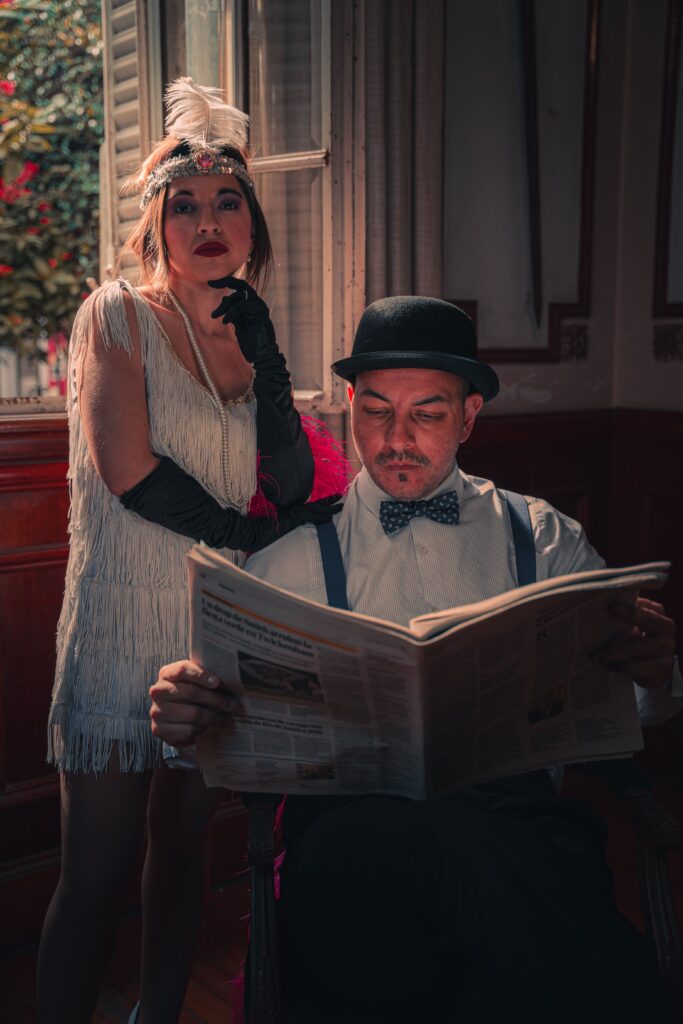
Even though the wearing of hats became less frequent after the mid-20th century, most of the 1920s designs are still popular today.
The cloche hat is still featured in vintage-style collections, wedding fashions, and costumes. Updates on the fabrics of the original version are common in modern versions without altering the silhouette.
Fedoras are historical items of clothing worn by both women and men. They are redesigned by designers on a regular basis with modern colors and materials.
Newsboy caps reemerge occasionally as trendy accessory items on the streets, and straw boaters are still in high demand during occasions that take place outdoors.
The potential for vintage costume headwear has also been revived by the television series, historical dramas, and movies that are set throughout the Roaring Twenties. Costume designers also skillfully reproduce original designs to encourage audiences in the current generation to enjoy the crafts of the time.
Reduced prices of vintage hats have resulted in a rush of collectors after authentic vintage hats, and with milliners reproduce old methods today to create handcrafted reproductions.
Read More: 1990s Style: Why This Iconic Fashion Era Is Back in Trend
Tips for Wearing a 1920s Hat Today
It is more simple to accommodate vintage headwear in a contemporary wardrobe than many individuals will presume.
The fedora is a classic every-day piece, so a plain-colored one will give you a classic look. It matches well with denim jeans, or fitted trousers, blazers, and even casual dresses.
Cloche hat is perfect in the fall and winter when worn in long coats, knit wear and ankle boots. Since the rest of the outfit is made rather simple, the hat as the focal point can be achieved.
As long as vintage-themed clothing is a favorite, you can have a boater made of straw and wear it over lightweight summer clothes on the occasion or on holidays.
Be mindful of proportion. Most of the old fashioned hats have unique shapes, therefore they should be paired with sleek garments as opposed to highly dramatic silhouettes.
It is not about its quantity but quality. When a hat is properly made of strong material, it is very comfortable and long-lasting.
Most importantly, wear your hat confidently. The self-confidence was the hallmark of the Roaring Twenties fashion and this spirit is equally cool nowadays.
Final Thought
The hat of the 1920s has been made one of the most persistent representations of the Roaring Twenties. It was not just a fancy piece of wearable art but represented gracefulness, fluctuating social ideals and outstanding craftsmanship. The elegant cloche, the classic fedora, these classic designs have been used to outline one of the most powerful decades in fashion.
The allure of 1920s headwear has left its mark on designers, collectors, and lovers of vintage all over the globe, well over 100 years after it originally debuted. Regardless of whether your wardrobe is history-inspired, you are in a androcentrically-branded party, or you simply love the styles of the 1920s, or the 1920s hat, in any case, is the perfect item to give you a sense of connection to a memorable age of fashion.
FAQs
What was the most popular 1920s hat for women?
The cloche hat was the defining women’s hat of the decade. Its close-fitting, bell-shaped design perfectly complemented the fashionable bob hairstyle.
What hats did men commonly wear during the 1920s?
Men frequently wore fedoras, bowler hats, boater hats, and newsboy caps depending on the occasion and season.
Why were hats so important in the 1920s?
Hats were considered essential parts of daily attire. They reflected social etiquette, completed outfits, and offered practical protection from the weather.
What materials were used to make 1920s hats?
Common materials included felt, wool, straw, velvet, silk, and cotton. Decorative elements often featured ribbons, feathers, lace, beads, and embroidery.
Can you wear a 1920s hat with modern clothing?
Yes. Many classic styles, especially fedoras and cloche hats, pair well with contemporary wardrobes when styled thoughtfully.
Where can you buy a 1920s-inspired hat today?
Vintage shops, specialty milliners, online retailers, costume suppliers, and handmade artisan stores all offer authentic reproductions and modern interpretations of 1920s hats.