The Complete Guide To Hair Extensions And Hair Toppers
Change Your Look Without Scissors or Dye
Switching up your hairstyle doesn’t always mean a drastic cut or color change. With hair extensions and hair toppers, you can transform your look in minutes. These tools have become everyday essentials for both professionals and people who just want to refresh their style at home.
Here’s a clear breakdown of what they are, who they’re best for, and how to care for them so they look flawless. This complete guide not only explains the different types of hair extensions and toppers but also provides insight into what professionals learn during hair extension training.
Hair Extensions: Add Length and Volume
If you’re craving longer locks, more fullness, or both, extensions are the go-to option. They come in several types:
- Clip-ins: Quick, temporary, perfect for special occasions.
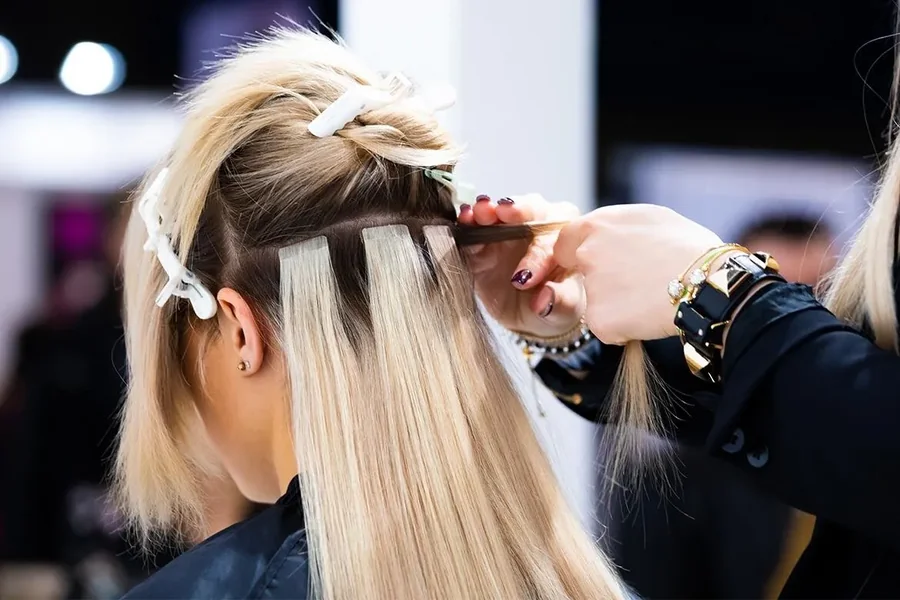
- Tape-ins: Semi-permanent, lightweight, and reusable.
- Sew-ins: Very secure, especially for thick hair.
- Bonded extensions: Applied strand by strand with keratin for a seamless finish.
Extensions work best if you already have enough natural hair to cover the attachment points.
Hair Toppers: Conceal Thinning Areas
Toppers are partial pieces designed to cover sections of the scalp, usually the crown or top. They’re popular with people experiencing thinning or early hair loss, but they also work beautifully for anyone who just wants extra lift at the roots.
They clip or secure into place and blend with your natural strands for an undetectable finish.
Extensions vs. Toppers: Which Should You Choose?
- Extensions: Best if your main goal is adding length, dramatic volume, or trying out different styles.
- Toppers: Ideal if you want to hide thinning spots while keeping your current length.
Pros and Cons
Extensions
Pros: Versatile, customizable, great for style changes
Cons: Can feel heavy if overused and need regular upkeep
Toppers
Pros: Lightweight, easy to use, focused coverage
Cons: Only add volume at the crown
Care and Styling Tips
- Brush gently to avoid tugging.
- Wash with sulfate-free shampoo.
- Store extensions flat or in a case, toppers on a stand or in a box.
- Avoid high heat on synthetic hair.
Synthetic vs. Human Hair:
- Synthetic: Affordable, holds style, but can’t handle heat and may look shiny.
- Human hair: Looks natural, can be curled or straightened, lasts longer with proper care.
For toppers, the base matters. Lace and monofilament bases look the most natural, while larger bases provide more coverage. Always measure the thinning area so clips attach securely without strain.
Blending and Matching
- Extensions: Match color to your mids and ends, not just your roots.
- Toppers: Match color at your part and crown for the smoothest blend.
- Fine hair: Start with lighter density.
- Thick hair: Can handle fuller pieces.
- Keep lengths realistic, shoulder to mid-back is easiest to manage.
Application Tips
- Wigs: Adjust straps, align ear tabs, and consider a wig grip for security. Blow-dry the front slightly for a natural hairline.
- Toppers: Clip the front first, then the sides and back. Style your natural hair and the piece together for the best blend.
Always use heat protectant, keep tools at moderate temps, and refresh styles with rollers or brushing instead of daily heat.
Long-Term Value
High-quality human hair pieces can last for months or longer if cared for properly. They also protect your natural hair from constant coloring and heat styling.
- Wash every 7–10 wears with gentle shampoo.
- Detangle from the ends up.
- Store wigs on stands and lay extensions flat or hang them.
A quick salon consultation can help you pick the perfect match. Even a small trim or color adjustment can make a big difference.
Why They’re So Popular Now
Social media and celebrity culture have made it abundantly clear how easy and natural these tools are. With advancements in comfort and color matching, nobody has to be the wiser that you’re wearing them unless you so desire.
Final Thoughts
A fast salon consultation will figure which one is most flattering to you; a slight trim or alteration in color will make a considerable difference.