Dressing For The Future: Comfort, Sustainability, And The Art Of Timeless Style
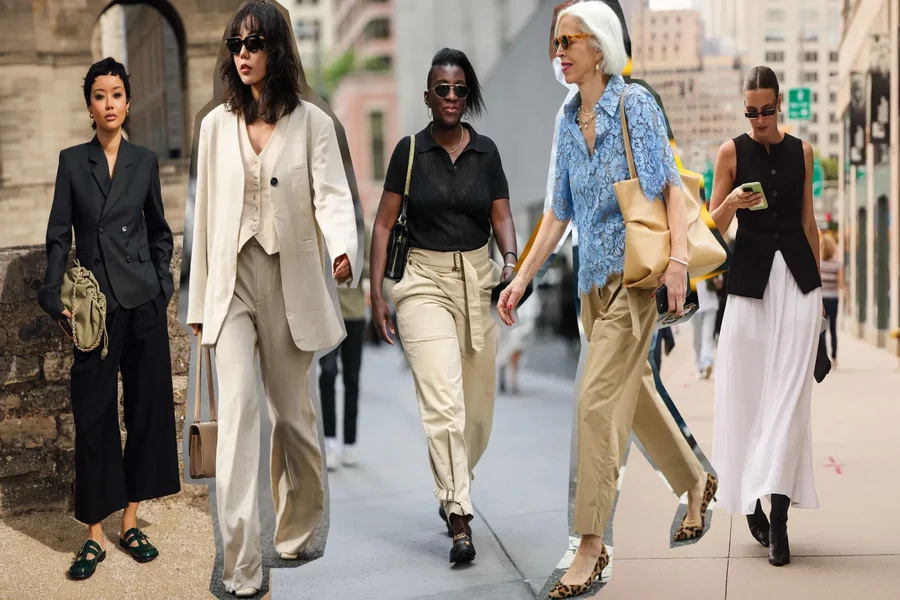
In the present day, clothes are not merely fabric with seams. It is an assertion of identity, of what we hold as important, and what our preferred style of living is. Our daily clothing has more than aesthetic meaning to it. They echo our connections with comfort, our sense of identity and our accountability with regard to the earth.
There are three emerging trends in the world of fashion: namely, comfort, sustainability and timeless design. They are also redefining wardrobe and helping us go in a more balanced and mindful way of dressing.
The Rise of Comfort-First Fashion
Within the last ten years, style has been experiencing some obvious metamorphosis. Comfort no longer is an afterthought. It lies at the centre of contemporary fashion. The conventional philosophy that beauty has to be associated with pain is losing ground fast. What we understand now is that comfort and style can be combined.
The transition has been prompted by culture changes, lifestyle changes and the emergence of high-end basics. Clothing that fits willingly with the body has become the next normal, such as flowing loungewear or more versatile separates. Apart from being versatile enough to see you through home, work and travel, the items have an understated sophistication that cuts across occasions.
The course of the pandemic in the world contributed to even more rapid changes in this direction. Remote work has changed wardrobes forever, creating an attitude that comfort is one of the main priorities in everyday life. The situation may have been established as a short-term adaptation, but it has turned out to be a long-term change of lifestyle. The era of comfort-first clothing is not going away, and the way we perceive clothing is changing.
Why Sustainability Can’t Be Ignored
Comfort is revolutionising the way we dress, and sustainability is revolutionising the reason why we dress the way we do. Informed shoppers are raising more questions than ever before about what they buy. What is it comprised of? Who constructed it? What is its effect on the planet?
There is a long critique of the fashion industry regarding waste, pollution, and abusive practices. Customers are moving towards brands that are friendly to the environment, ethically produced and transparent in their supply chains as they become more aware. Natural fibres, recycled materials and low-impact dyes have ceased to be a choice. They are regarded as a more and more common future of clothing.
Materials are not the only thing. It also implies that it creates the garment more durable, able to withstand the whimsicalities of fashion and makes us want to shop less and better. Slow fashion is taking the time to create a wardrobe that is ethical in both the way it was created and in the way it is worn.
The Beauty of Timeless Style
Fashion changes so fast, but classic garments are timeless, and there is something powerful about them. Fashion-free pieces are never out of place. They could be approached in multiple styles, were durable, could be worn over again and tended to be the backbone of a wardrobe.
A good example of this is Bleusalt, a female-founded luxury lifestyle brand from Malibu that creates elevated basics designed to last. The main goal of Founder Lyndie Benson is to be able to create clothing that one feels as comfortable in and as good as they look. It was an idea to bring the necessities you can pull out each day, items that fit in the transition of life, wherever it takes you.
Undying style is something more than a fashion. It is also a sustainability option. Purchasing longer-lasting clothes is one of the ways to avoid wastage and the trend of fast fashion. The timeless wardrobe will allow you to have lasting value instead of following trends and still be able to celebrate beauty and style.
Imagine a wrap you can use from a day of travelling to an evening out or trousers that are suitable both in a casual and dressier context. These necessities are more than practical, but soon turn into reliable staples, items you turn to each time with a certainty that they will work.
The Role of Personal Identity in Clothing
The other very important aspect of contemporary fashion is its contribution to the formation and development of individual identity. Depending on what people wear, it sends signals about our values, our lifestyles and even our aspirations.
With most people, wearing timeless and sustainable clothes has become a method of connecting their external bodies with their internal value systems. Using garments that were made with the planet in mind, are graceful, and have high durability values means that you care about yourself and the ability to make a difference. It demonstrates that fashion could be more than what it appears to be. It may be a philosophy of life styled
This is more so in the case of younger generations who view purchases as a way of expressing their personality. Especially the Millennial generation and Gen Z shoppers are on a mission to acquire clothing that is fashionable and eco-friendly.
Building a Wardrobe for Tomorrow
Well, how do you implement these ideals of comfort, sustainability and classicism? It starts with conscientious decisions.
Focus on Essentials
You can think of curating your wardrobe based on versatile basics, something that you can wear repeatedly in multiple ways through each and every season. This makes sure that your clothing can help you more but occupies less space.
Invest in Quality Over Quantity
Rather than purchasing five cheap pairs that soon break, invest in a single quality pair you can use for a number of years. This minimises wastage and eventually saves resources.
Choose Sustainable Fabrics
Choose garments compliant with environmentally friendly fibres, recycled fabric, or textile materials with less impact on the environment. Your attire must not only be comfortable on your skin, but it must sit well on your conscience.
Lean Into Timeless Silhouettes
The traditional silhouette and monotone colours hardly ever lose their relevance. They serve as a base that can be updated with change of seasonal accessories.
Think Beyond the Closet
A classic wardrobe makes your life extremely easier as well. Fewer, but high-quality clothes help to simplify the process of getting dressed without conducting the risk of looking sloppy.
Fashion as a Lifestyle
At its most productive, clothing is more than the clothes we wear. It is just an amplification of how we are living. The shape of things to come in fashion does not lie in constant buying and trying to follow every hectic fashion. It’s about life, being more alive and wearing pieces that have life to them too.
At the end of the day, by placing a focus on comfort and sustainability, investing in timeless pieces, and dismissing the notion of having a fashionable wardrobe, we can all be building lifepoobs that make us feel good and – equally as important – do good. They seduce us in agreement with our values. Fashion becomes not only an expression of one’s sense of self, but also a determined lifestyle choice.
Final Thoughts
Clothes have always been loaded with symbolic power. They describe narratives of culture, identity and belonging. Now it is also responsible. As comfort, sustainability, and timeless design move to become defining factors of the fashion sphere, we are moving into a new era in which what we wear not only means something to us but something to the world as well.
To the individuals willing to adopt this shift, luxury staples that lack seasonality, and which are built on sustainability, are the best fashion, as it is the one that shines through. Classic items simply do not only clothe us, they lead us to live more fulfilled, more conscious and more beautiful.