How To Pick The Best Outdoor Tiles For Any Weather
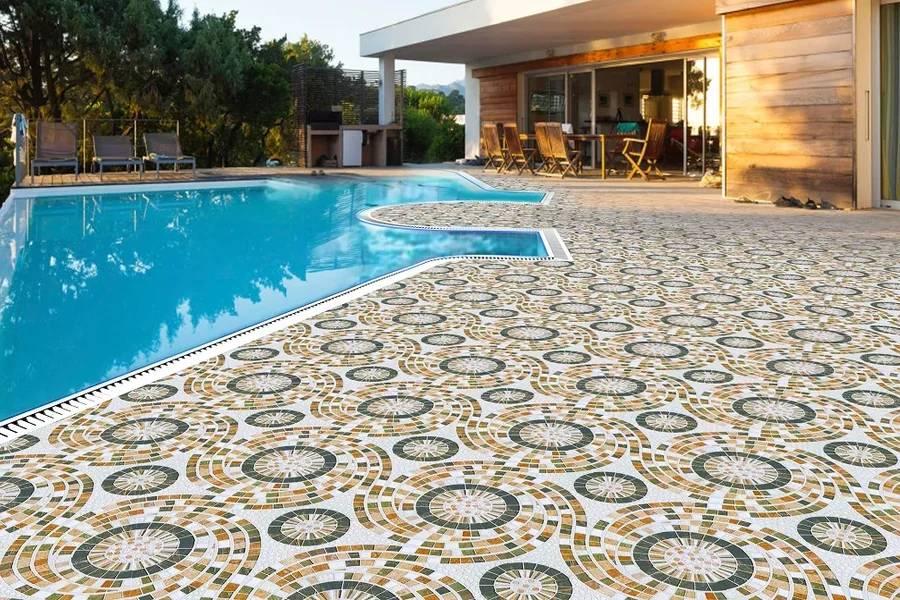
Tiles for the outdoors are more than simply a style decision; they’re a way to improve the look and usefulness of your outdoor living space. If you’re making a patio, pool surround, balcony, or entertainment area, you need to choose tiles that can handle the specific needs of your location’s weather.
The weather in Australia is as different as the geography. Outdoor surfaces have to put up with a lot of different weather, from the hot, humid north to the cold, dry south. So, how can you pick outdoor tiles that look good and last a long time, no matter where you live? This is a complete guide to help you choose the best outdoor tiles for all weather.
Know what the weather is like where you live.
To get the best outdoor tiles, you need to know what the weather is like where you live. Australia’s climate zones can be very different from one other:
- Coastal and tropical areas, such as Queensland and Northern NSW, get a lot of rain and high humidity.
- In the southern states, including Victoria and Tasmania, winters are often chilly and frosty.
Parts of WA and the NT that are inland and in the bush have dry heat and a lot of UV exposure.
The ideal outdoor tile should be able to stand up to the weather conditions that are most typical in your area, whether they be wetness, salt, UV rays, or frost.
Put first Safety and Slip Resistance
Outdoor tiles should not be slippery, especially in places that get a lot of traffic or are wet, such pool decks, outdoor showers, or patios that aren’t covered. In Australia, tiles with a high slip resistance rating (sometimes known as a “R rating”) are what you should look for.
Most people think that R11 or higher is safe to use outside, especially near pools and on sloped terrain. Textured or matte finishes usually give you a greater grip than polished ones, which lowers the chance of slipping and falling.
Pick materials that will last and won’t be affected by the weather.
Not all tiles are the same when it comes to using them outside. Because they are strong and durable, materials like porcelain, natural stone, and concrete are excellent for outdoor use.
Porcelain tiles are thick, non-porous, and very hard to absorb water, which makes them great for both hot and cold weather.
Granite, travertine, and bluestone are examples of natural stone tiles that look great and last a long time, although they may need to be sealed.
Tiles that appear like concrete give a modern look and are made to last in really bad weather.
Ceramic tiles are usually more porous and less durable in changing weather, so don’t use them outside.
Think about what has to be done to keep it up.
You should also consider about how easy it will be to clean your tiles because they will be outside and absorb dirt, leaves, rain, and bright sunlight. People enjoy porcelain tiles because they endure a long time and are easy to clean. They don’t need to be sealed, and stains won’t stick to them.
Natural stone can look nice, but it can also be more porous, so it needs to be sealed to protect water from harming it or staining it. If you want something that doesn’t need a lot of care, porcelain is usually the greatest long-term solution.
Pick UV and Fade Resistance
Places like Sydney, Perth, and Darwin that get a lot of sun need to protect themselves from UV rays. If tiles are in the sun for a long time, they may fade or change colour.
Some natural stones that are coated and certified for outdoor use, like porcelain tiles, are made to not fade even in direct sunshine. Always check the manufacturer’s specifications to be sure the tiles you purchase won’t fade or shatter when exposed to direct UV light.
Think about how it appears and how it functions.
You don’t have to give up style just because you want something that will last and operate well in a lot of different weather. The best patio tiles are both gorgeous and useful.
Choose colours and textures that look good with the outside of your home. Neutral shades like greys, charcoals, and earthy tones usually look nice with Australian landscapes and buildings. If you’re putting tiles down in a pool area or a place to party, you might want to think about finishes or tiles that don’t get hot underfoot.
Make sure the installation and drainage are done right.
If you don’t install outdoor tile correctly, it can break, even if it’s the strongest tile. The substrate requires preparation followed by grouting and drainage installation to prevent water accumulation and damage.
You should select an experienced tiler who operates outdoors and understands your local weather patterns. Places that experience heavy rain or freezing temperatures need proper drainage systems because water damage becomes a major concern.
Final Thoughts
Outdoor tiles must withstand year-round exposure so you need to select appropriate tiles for your location to achieve both safety and style and extended durability. The selection of outdoor tile material determines both the appearance and durability of your outdoor surfaces regardless of whether you have sunny Gold Coast patios or icy Melbourne porches.
Your outdoor tile selection will endure any weather conditions when you consider style and material and slip resistance and environmental factors.