How to Create an Eco-Conscious Space That Reflects Your Values
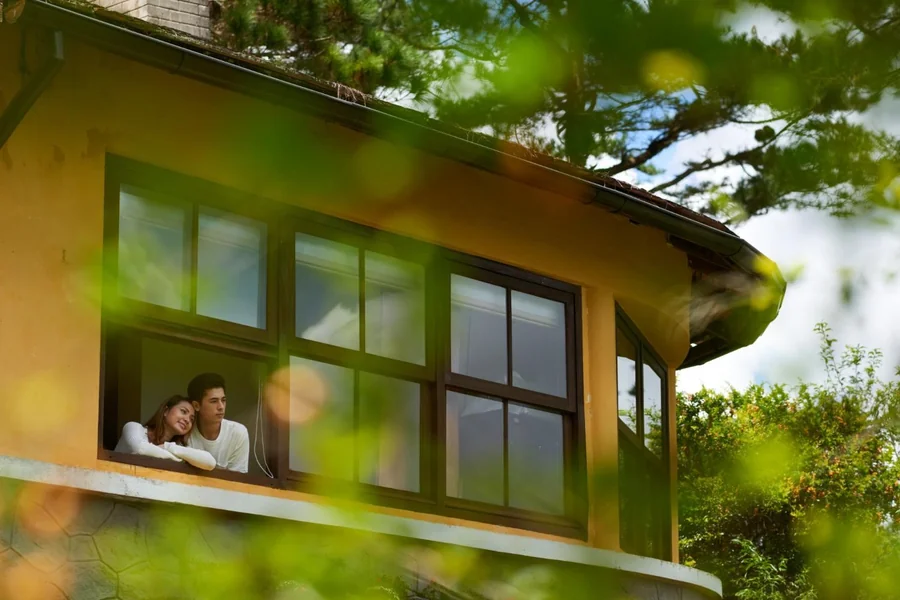
Sustainable living isn’t just a philosophy you wear, it’s something you live with, move through, and surround yourself with every day. As more people turn toward intentional lifestyles, the home has become an extension of personal values: a place where comfort meets consciousness, where design supports well-being, and where every choice reflects something meaningful. This shift toward eco-minded living isn’t about replacing everything you own. It’s about slowing down, choosing thoughtfully, and building spaces that feel good in every sense. Even small adjustments, such as adding energy-saving tools like Mysa, can shape a home that’s gentler on the planet and more aligned with sustainable living.
Start With What You Already Have
The most sustainable home is the one you don’t overhaul. Before buying anything new, look at your space with fresh eyes. What can be repurposed? What can be repaired? What can be styled differently with pieces you already own? Sustainable living begins with resisting the urge for constant replacement.
Choosing to shop your home first helps reduce waste and keeps your space rooted in authenticity. The pieces you’ve lived with often carry stories, family gifts, flea-market finds, heirloom items, or simple essentials you’ve used for years. Embracing them is part of honoring a slower, more grounded lifestyle.
Choose Natural Materials That Feel Good and Age Well
Sustainable design favors materials that last: wood, glass, ceramic, linen, cotton, and wool. These elements don’t just look beautiful, they age with dignity, soften with use, and break down more gracefully at the end of their lifecycle.
When you’re ready to bring something new into your home, look for:
- Furniture built from responsibly sourced wood
- Textiles made with natural fibers
- Decor pieces crafted by local or independent makers
- Items designed for longevity, not short-lived trends
Choosing natural materials isn’t only environmentally conscious, it creates a home that feels warm, breathable, and calm.
Let Light Play a Bigger Role
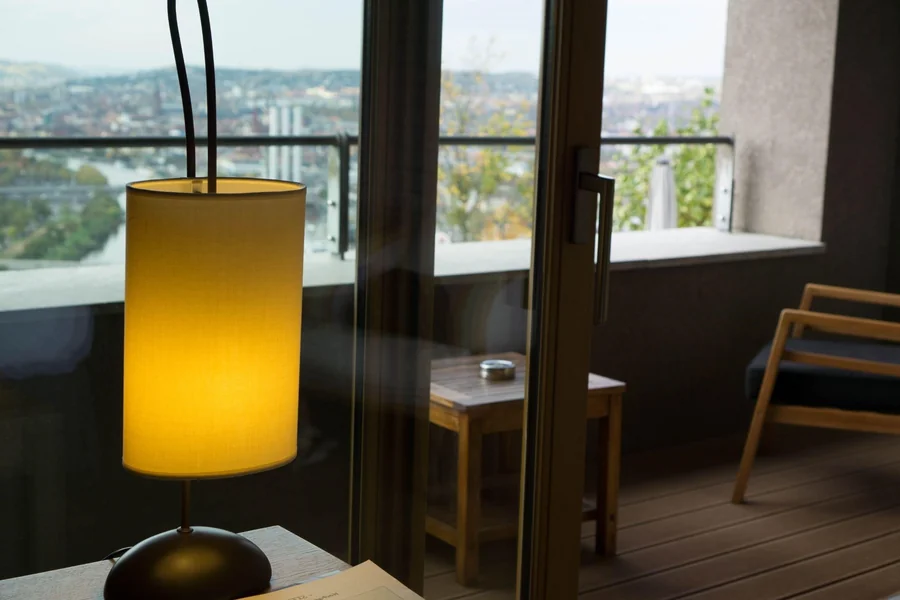
Lighting shapes mood, routine, and energy use. And sustainable living thrives on using what your home already offers: daylight.
Maximizing natural light can be as simple as rearranging furniture, using lighter window treatments, or choosing reflective surfaces that bounce light around the room. In the evenings, warm-toned bulbs, candles, and low-light fixtures create a sense of evening ritual that reduces strain and encourages restfulness.
Lighting doesn’t need to be bright to be beautiful, it needs to be intentional.
Become More Conscious of Energy Flow
Mindful living isn’t only about décor; it’s also about daily habits. One of the most overlooked aspects of sustainable home life is energy use. Heating and cooling often make up the largest portion of household energy consumption, which is why many eco-minded homeowners explore smart thermostats and high-efficiency climate tools.
Energy-efficient systems, like those offered through Mysa, allow you to stay warm and comfortable while using less energy overall. Choosing tools that regulate temperature thoughtfully is one of the clearest ways to align your home with sustainable values without sacrificing comfort.
Fill Your Space With Pieces That Have Purpose
Sustainable homes aren’t cluttered with objects, they’re shaped by intention. The goal isn’t minimalism; it’s mindfulness. Every item holds space in your home and, in a subtle way, in your emotional world. Surround yourself with things that serve you:
- A chair you love reading in
- A shelf arranged with books that inspire you
- A handmade mug you reach for every morning
- Plants that bring fresh air and green calm
- Art that reflects your sense of beauty
When your home contains only what you value, the energy of the space shifts. It becomes calmer, more focused, and more reflective of who you are.
Think Local, Think Ethical, Think Long-Term
Sustainable choices extend beyond materials, they extend to the makers. Supporting local artisans reduces transportation waste and encourages community craftsmanship. Choosing ethically made pieces ensures that the people behind your belongings were treated fairly.
If you do purchase new products, consider:
- How long the item will last
- Whether it can be repaired
- The story of the brand or maker
- Its environmental footprint
When we buy fewer things, but better things, we reduce waste and build homes that feel more meaningful.
Bring Nature Indoors as a Daily Reminder
Houseplants don’t just purify the air, they reconnect us to slower rhythms. Even a single plant can shift the atmosphere of a room, reminding us to be mindful, patient, and grounded. Whether it’s a low-maintenance pothos, an elegant fiddle-leaf fig, or small herbs by the window, greenery helps create a home that feels alive.
Rethink the Pace of Your Home Life
The most beautiful part of sustainable living isn’t the décor, it’s the mindset. It’s a slow morning. It’s a thoughtful purchase. It’s the softness of candlelight at the end of the day. It’s choosing routines that prioritize presence rather than productivity.
Your home becomes a reflection of your internal world. When you slow down, your space naturally softens with you.
Eco-conscious living isn’t about perfection, it’s about choosing in alignment with your values. When you build a home with care, natural materials, thoughtful energy use, and meaningful objects, you design a space that supports both personal well-being and environmental responsibility. Small changes, like adopting energy-aware tools, reducing waste, and choosing timeless pieces, add up to a home that feels intentional, grounded, and beautifully reflective of who you are.
For readers interested in the research behind sustainable home environments and how they influence well-being, the U.S. Environmental Protection Agency (EPA) provides helpful insights into energy efficiency and indoor environmental quality.