How Exercise Science Degrees Drive Career Growth Through Comprehensive Academic Programs
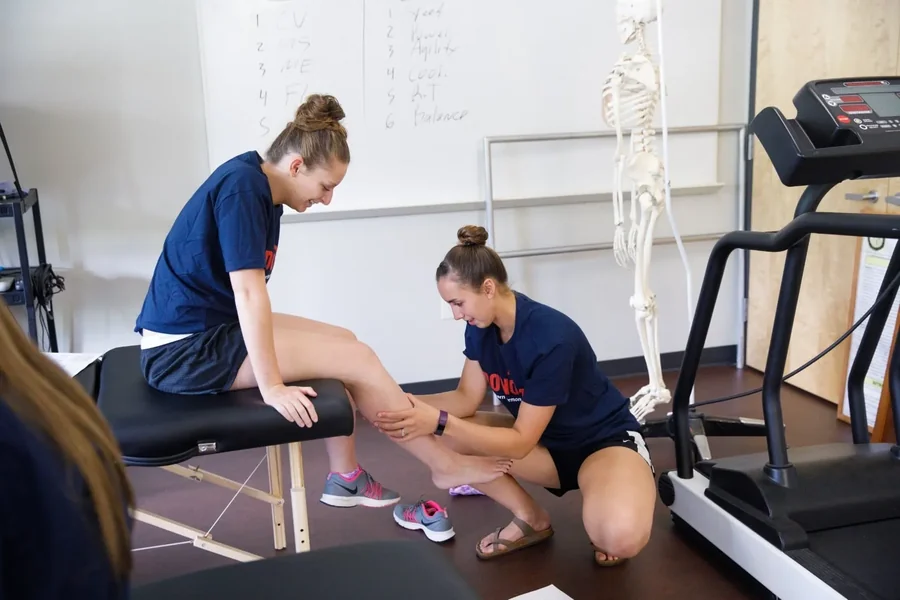
Exercise Science has become a dynamic academic field that bridges health, movement, and performance. It prepares students to understand how the human body functions under physical stress and how training can improve overall health. The field’s expanding scope provides countless opportunities for individuals passionate about health, wellness, and human performance.
The demand for professionals with scientific knowledge in exercise and wellness continues to reshape industries. Graduates with Exercise Science degrees gain a blend of technical, analytical, and interpersonal skills. These skills allow them to contribute meaningfully in healthcare, sports, rehabilitation, and education.
1. Diverse Curriculum Structure
A comprehensive academic exercise science program exposes students to a wide range of scientific and practical subjects. The curriculum usually covers anatomy, physiology, biomechanics, and nutrition, which blends theoretical knowledge with real-world application. This multidisciplinary foundation ensures graduates understand how various systems of the body respond to physical activity.
Students learn through laboratory experiences, internships, and applied research. These opportunities help them link classroom theories with measurable human performance outcomes. This approach develops analytical thinking, precision, and problem-solving skills essential for professional growth.
2. Specialized Skill Development
Exercise Science programs emphasize skill acquisition that prepares students for multiple career pathways. Through coursework and practical sessions, students develop technical competencies and critical thinking abilities.
Key skills developed through these programs include:
- Data Analysis and Research: Students learn to interpret physiological data and design fitness programs backed by scientific evidence.
- Assessment and Evaluation: Programs train students to evaluate fitness levels, identify risks, and implement personalized interventions.
These abilities make graduates valuable in both clinical and athletic environments, where accurate assessments and effective communication are essential.
3. Expanded Career Opportunities
Graduates with Exercise Science degrees can pursue diverse professions within the health and fitness sector. Career paths include roles in personal training, physical therapy assistance, corporate wellness coordination, and athletic coaching. Each position allows individuals to apply their scientific understanding of movement and performance enhancement.
Many graduates continue into specialized fields such as sports medicine, cardiac rehabilitation, and occupational therapy. These advanced roles demand a deep understanding of exercise physiology, which the degree program provides. As healthcare systems place greater emphasis on preventive care, Exercise Science professionals become essential in promoting physical well-being across communities.
4. Integration of Research and Technology
The contemporary Exercise Science programs have technology based learning activities that enhance research and innovation. Advanced instruments such as motion analysis systems, metabolic carts, and wearable fitness devices are used by students. These technologies assist them in examining physical performance accurately and putting the results to the test in order to achieve better results.
Programs promote interaction between students and faculty members in carrying out research work. This exposure helps them improve their evidence evaluation, result analysis skills and use data-driven approaches in professional practice. With the shift in technology, graduates are flexible and are prepared to new trends in exercise assessment and rehabilitation.
5. Leadership and Professional Growth
The exercise science course fosters the leadership qualities by team learning and professional interaction. Students acquire skills in customer services, group fitness program design, and wellness programs. Such experiences develop confidence, responsibility and organizational skills which are transferred to leadership positions after graduation.
Professional development is also encouraged by the preparation of certification and continued education. Various colleges have made their courses congruent with nationally common qualifications, like the Certified Exercise Physiologist or Strength and Conditioning Specialist. This orientation enables graduates to have a competitive edge in order to attain fulfilling jobs in different health-related sectors.
Exercise Science degrees enable those who have degrees with the scientific knowledge and experience that would make them successful in a career in health and performance. Under exhaustive academic curricula, students acquire competencies that must define professional excellence and flexibility. In that way, the field remains the one that provides career development through significant links between the fields of education, research, and innovation.