How to Select the Perfect Bespoke Suit Details in Manhattan
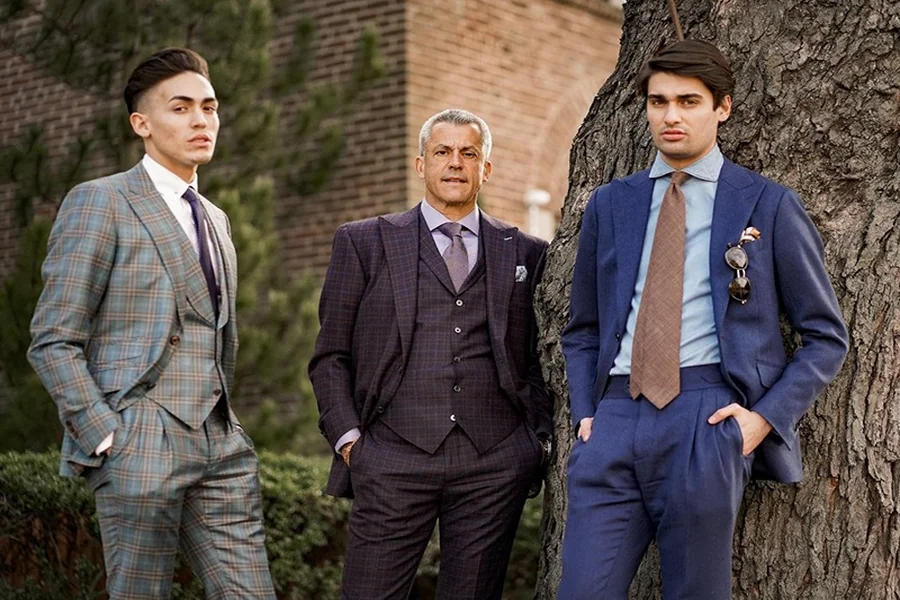
In Manhattan, a bespoke suit reflects more than personal style; it shows precision, confidence, and an understanding of fine craftsmanship. With so many tailoring houses in the city, knowing which details to focus on can determine whether a suit feels ordinary or exceptional. The perfect bespoke suit depends on selecting details that match both lifestyle and purpose, from lapel width to fabric texture.
Each choice, such as pocket type, lining color, or shoulder shape, affects how the suit looks and moves. Subtle adjustments help create balance and comfort while preserving a polished appearance. Therefore, understanding how each element works together helps transform a custom design into a timeless investment.
Those who take time to evaluate structure, fit, and finish find that even small design decisions define the character of their bespoke suit. The following sections explain how to choose these details wisely, create a personal style, and select fabrics suited for business, weddings, and formal events in Manhattan’s fashion scene.
Key Considerations for Choosing Bespoke Suit Details in Manhattan
Selecting the right bespoke suit involves understanding the tailoring process, assessing workmanship, and choosing a trusted expert in Manhattan. A perfect result depends on careful measurement, expert fittings, and skilled craftsmanship that match personal style and purpose.
Understanding True Bespoke vs. Made-to-Measure and Off-the-Rack
True bespoke tailoring creates a pattern built entirely for the individual, capturing every measurement and posture detail. In contrast, made-to-measure adjusts a standard pattern to fit personal dimensions, while off-the-rack suits are pre-sized with minimal customization.
A bespoke suit requires more fittings and attention to detail because the tailor crafts each element by hand. Stitching, lapel shape, lining, and button stance reflect both the wearer’s lifestyle and taste.
Those seeking premium men’s tailoring services in Manhattan should expect a process that emphasizes collaboration. It begins with consultation and ends with a one-of-a-kind garment that fits naturally and performs well in daily life or formal settings.
Evaluating Craftsmanship and Multiple Fittings
Quality craftsmanship reveals itself in both structure and precision. A true tailor builds a suit with a full canvas construction that allows the garment to mold to the body over time. This creates a clean silhouette and comfortable movement without stiffness.
Multiple fittings give the client and tailor opportunities to refine proportions, sleeve pitch, and drape. Each session addresses minor balance issues that make a major difference in fit. A tailor who schedules at least two or three fittings demonstrates a commitment to accuracy.
Attention to inner construction, hand-stitched details, and the selection of premium fabrics such as wool, linen, or cashmere also indicate skill. These small choices separate a high-end bespoke suit from one that simply looks fitted.
Selecting the Right Bespoke Tailor in NYC
Choosing the right tailor means finding someone who listens and understands both physical traits and personal preferences. The best tailors in New York work closely with clients to translate ideas into precise cuts and finishes that reflect professionalism and comfort.
Location and history can offer insight. Established shops often continue traditions passed down through generations, which shows long-term dedication to the craft. However, modern studios sometimes blend technology with handcraft to balance precision and flexibility.
Before committing, it helps to review examples of the tailor’s work, discuss fabric sources, and understand their approach to timeline and communication. An honest discussion about expectations leads to a garment that fits seamlessly into any wardrobe.
Personalizing Your Bespoke Suit: Style, Fabric, and Special Occasions
A well-crafted bespoke suit reflects personal style, lifestyle, and occasion. Every decision, from fabric selection to the shape of a tuxedo lapel, defines how the finished suit fits both the wearer and the event. Skilled tailoring and precise consultation in Manhattan help transform individual choices into a refined, one-of-a-kind garment.
Choosing Premium Fabrics and Classic Styles
Tailors in Manhattan often present a wide range of high-quality materials sourced from fine mills, similar to those found on Savile Row. Wool remains a top choice for daily wear because it breathes well and drapes naturally. Linen and cotton provide comfort in warm months, while heavier tweeds and flannels suit cooler weather.
Selecting the right weave and texture allows the suit to match both climate and setting. A subtle herringbone or fine worsted gives businesswear a confident tone, while silk blends add a soft sheen suitable for special events.
Classic cuts such as the two-button notch lapel or double-breasted peak lapel remain timeless. These silhouettes allow for small details like colored linings or hand-stitched buttonholes that show personal refinement without drawing excess attention.
Customizing Tuxedos and Formalwear
A tuxedo requires more structure and precision than a standard business suit. The shape of the lapels, usually satin-faced, and the type of buttons set the formal tone. Manhattan clients often tailor custom tuxedos to achieve a distinct balance between tradition and modern fit.
For black-tie events, deep shades of midnight blue or true black remain the standard. However, lighter fabrics and velvet dinner jackets appear in creative circles, offering texture and individuality without breaking etiquette.
Details such as pleated trousers, side adjusters, and concealed pockets create a polished appearance without over-accessorizing. A tailored tuxedo should move gracefully and look clean from all angles, signaling craftsmanship and restraint rather than flash.
Personal Consultation and Final Delivery
Personal fittings define the bespoke experience. A skilled tailor observes how fabric falls across shoulders, chest, and waist, then adjusts measurements by hand. This process may involve several appointments, each refining the fit until the suit feels natural.
Communication between client and tailor shapes every decision. Fabric selection, lining color, and button placement all reflect personal preference. The dialogue also clarifies practical matters such as delivery timelines, seasonal wear, and care instructions.
Final delivery marks the completion of a suit made for one person alone. The wearer leaves with clothing that not only fits precisely but also represents thoughtful design and craftsmanship rooted in expert tailoring traditions.
Conclusion
Selecting a bespoke suit in Manhattan requires steady attention to fit, fabric, and design details. A well-made suit reflects personal style while offering comfort and precision in every stitch. Tailors in the city balance tradition with modern needs to create garments that feel timeless yet current.
Each detail, from lapel shape to button spacing, adds character and purpose. Thoughtful choices help the suit function well in both business and formal settings. Small touches such as lining color or pocket design can add individuality without overstating it.
By focusing on accurate measurements, quality materials, and clear communication with the tailor, anyone can achieve a result that speaks to craftsmanship and taste. The finished suit becomes a practical investment that fits both lifestyle and expression.