Unleash the Skies: A Complete Guide to Drones for Beginners and Experts
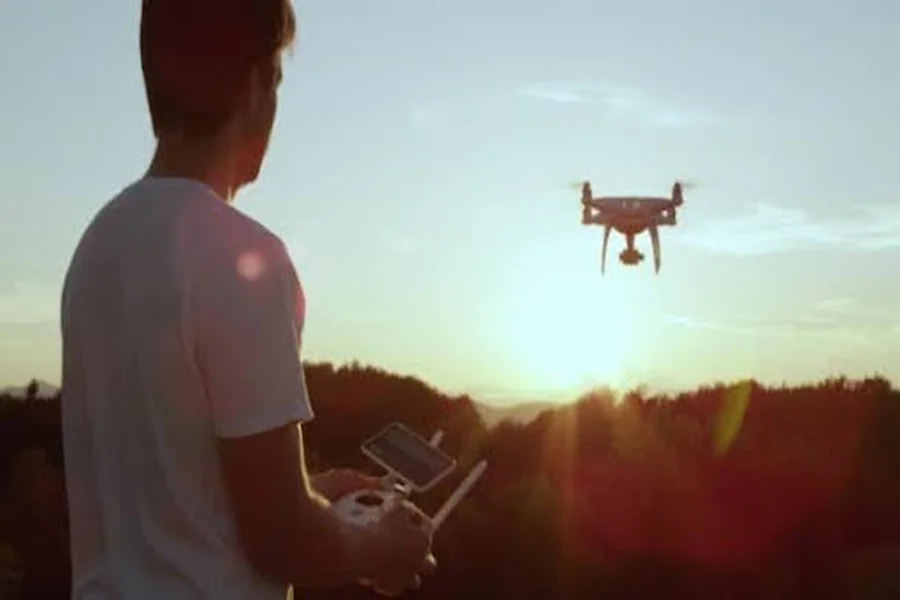
Drones, also known as unmanned aerial vehicles (UAVs), have evolved from niche gadgets into essential tools for both hobbyists and professionals. These remotely controlled or autonomous aircraft are revolutionizing industries such as agriculture, filmmaking, delivery, and emergency response. Equipped with advanced sensors, GPS navigation, and real-time data collection, drones offer capabilities that were once unimaginable, providing new ways to work, create, and explore. Understanding how drones operate is key to making the most of their potential, whether for recreational flying or professional applications.
At their simplest, drones are aircraft that fly without a human pilot on board. They can be controlled remotely or operate autonomously using built-in navigation systems. Drone designs vary depending on their intended use:
- Quadcopters offer stability and maneuverability, making them ideal for beginners and aerial photography.
- Fixed-wing drones provide endurance and long-range flight, often used for surveying and mapping.
- Racing drones prioritize speed and agility for competitive drone racing.
Drones are currently common in various sectors. They scan the health of crops, detect pests, and streamline irrigation in agriculture. Drone use in construction and infrastructure sectors is used in site inspection, mapping and surveying to minimize the risks and costs incurred during the processes. Drones have been applied in emergency services to provide disaster assessment and search-and-rescue operations, whereas filmmakers and photographers take up breathtaking aerial shots, which could only be taken previously with helicopters.
Drones for Beginners
When starting off, you can start with beginner-friendly drones like the DJI Mini SE, Ryze Tello, or Holy Stone HS210. It is light in weight, easy to operate and has an automated stabilization which aids beginner pilots to feel at ease when flying.
It is important to learn the local laws of drones. Rules differ across the countries and regions, including flight altitude, restricted zones and licensing procedures. By adhering to these rules, one can be sure that the operation is safe and avoids legal complications.
The newcomers ought to emphasize on learning the key fundamentals of taking off, landing, hovering, and direction control. The pre-flight checks, weather checks, battery checks and emergency procedures are some safety measures that provide the foundation of safe and responsible flight.
Advanced Drones for Experts
The best devices are those that have large payload capacities, high levels of stability, and those that have advanced imaging systems, which are sought by experienced drone pilots. Drone manufacturers offer professional drones with 4K or 8K cameras, obstacle avoidance, long-range, and automated flight paths, which serve the needs of filmmakers, surveyors, and industrial clients who must be precise.
The sophisticated flying procedures like waypoint flying, coordinated flying, and the recovery procedures in case of an emergency are essential to skilled operators. Extensive safety measures, such as geofencing, airspace surveillance, and device redundancy served to make sure that the equipment functions reliably even during adverse conditions.
Drone Maintenance and Troubleshooting
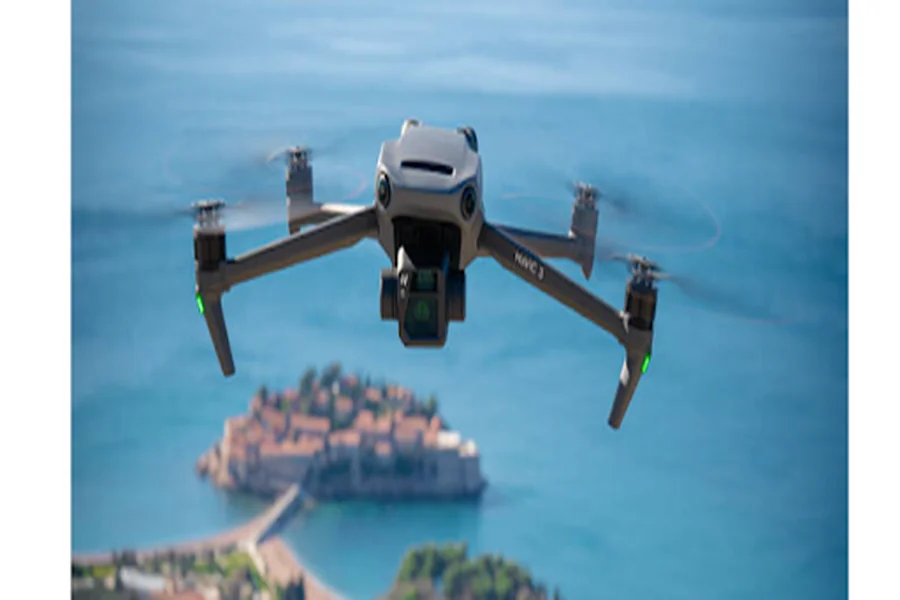
The drone has to be maintained regularly to ensure long life and high performance. The frequent inspection of propellers, motors, batteries, and firmware update prevents the problems and ensures efficient work of drones. Washing cameras and sensors preserves the quality of images whereas the proper care of the battery provides safe storage and use.
To solve common issues like loss of GPS signal, unstable flight or software bugs, one must be familiar with manufacturer guidelines and diagnostic tools. The knowledge of recalibration and repair procedures assists pilots in fixing the problems fast and in ensuring the steady performance.
Exploring Drone Technology
To the people who are interested in learning more or preparing to invest in well-made drones, they should go to websites like Drone Technology, where they can get their selections, expert advice, and thorough tutorials. These resources enable the user to compare models, learn to fly, and select drones to match their ability, financial capabilities, and the purpose of use. The availability of such tools will make beginners and specialists safe and secure in their aerial ventures.
The area of drone technology is evolving fast, and innovative technologies based on AI, battery life, and autonomous navigation determine the future of UAVs. The applications in the future are based on faster delivery logistics, medical supplies transportation to distant locations, environmental monitoring, and energy infrastructure inspection.
With the increase in drone applications, the regulations will likely change as the focus will be on safety, privacy, sustainability and responsible operation. These rules are intended to incorporate drones safely in the general airspace and help the development of commercial activities and technology.
Conclusion
Drones have developed into both leisure tools and significant instruments that have influenced the industries, creativity and daily living. Entry-level quadcopters all the way to drones based on professionalism, there is a drone that matches every level of expertise and use. Learning the principles of flight, safety procedures, and maintenance measures cannot fail to guarantee fun and dependability.
Pilots can use all the potential of drone technology through educational materials, responsible operation, and interaction with the wider community of drone users. Drones enable users to consider the world in a new light, whether to have fun, do a job, or to make a new application, as this device can easily and safely reach new heights.