8 Ways AI Face Recognition Helps Prevent Unauthorized Access in Airports
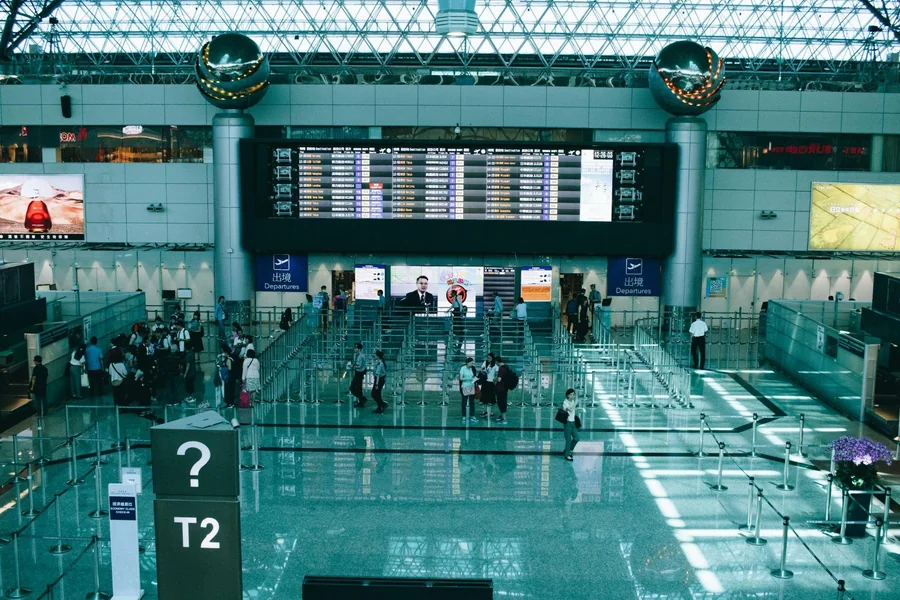
Airports are some of the busiest and most secure environments in the world. Thousands of passengers, employees, and contractors move through different areas daily. At the same time, certain zones like control towers, baggage areas, and maintenance rooms must remain off-limits to unauthorized individuals.
Traditional security tools such as keycards and manual ID checks are no longer enough to handle modern threats. Today, airports are turning to AI face recognition systems to strengthen security. These intelligent systems can instantly identify who is entering a restricted area and send alerts if someone without permission is detected.
Here are eight ways AI face recognition helps prevent unauthorized access in airports and keeps sensitive areas safe.
1. Real-Time Detection of Unauthorized Individuals
AI face recognition cameras can identify and verify people in real time. As individuals move through secure areas, the system compares their facial features with an approved database.
If it detects someone not authorized to enter, it immediately notifies the security team. This quick detection prevents unauthorized access to high-risk areas such as baggage handling zones or air traffic control rooms.
By identifying suspicious individuals within seconds, airports can respond faster and prevent potential incidents before they occur.
2. Integration with Access Control Systems
Modern airports often rely on access control systems to manage entry points. When AI face recognition is combined with these systems, it creates a stronger layer of protection.
For instance, if an employee uses their ID badge to open a restricted door, the face recognition camera verifies that the person’s face matches the authorized profile. If it does not match, access is denied and an alert is sent.
This combination of physical credentials and AI verification makes it extremely difficult for anyone to use stolen or borrowed IDs to gain entry.
3. Protecting Staff-Only and Sensitive Areas
Airports contain many areas that are limited to staff, such as control centers, fuel zones, IT rooms, and customs offices. AI face recognition systems continuously monitor these spaces to ensure that only authorized personnel can enter.
The face recognition cameras act as intelligent guards that never lose focus. If an unrecognized person enters or even lingers too long in a restricted zone, the system alerts the control center instantly.
This technology adds a constant layer of protection that works 24 hours a day without breaks or fatigue.
4. Tracking Movement Across Different Zones
AI-powered systems do more than verify faces. They can also track a person’s movement across multiple zones within the airport.
If an individual is flagged in one restricted area and later appears in another location, the system connects both incidents. This gives the security team a complete view of their movements and allows them to respond before a situation escalates.
One of the best examples of this technology in action is Coram’s AI face recognition camera system. Coram is a leading provider of AI-powered facial recognition solutions for airports, schools, and commercial properties.
Their system, Coram Point, analyzes every video frame and looks for unauthorized individuals using its advanced AI face recognition technology. Security staff can upload photos of restricted or blacklisted people, and the system automatically sends alerts if any of them are detected.
When a possible match is found, the data is sent to the cloud for further verification to minimize false positives. The Coram dashboard provides detailed analytics, showing the person’s last seen location, the last camera that identified them, and related video clips.
Coram Point even allows users to configure custom alert sequences that can include calling emergency services automatically. This makes it one of the most powerful and reliable AI face recognition systems available today.
5. Instant Alerts and Automated Responses
AI face recognition systems can be programmed to take instant action when unauthorized access is detected.
For example, once a match is confirmed, the system can:
- Lock specific doors to block entry
- Send immediate alerts to security personnel
- Notify local law enforcement automatically
- Activate alarms or visual warnings
This level of automation ensures a faster response, which can be the difference between preventing an incident and reacting too late.
6. Reduction of False Alarms with Smart AI
Older surveillance systems often generated too many false alarms, causing unnecessary panic or wasted time.
Today’s AI face recognition cameras use advanced algorithms to reduce these errors. They analyze lighting, movement, and angles to ensure accuracy.
Systems like Coram Point even perform additional cloud-based checks before sending alerts, which helps confirm matches and significantly lowers false positives.
This makes the technology more reliable and helps security staff trust that every alert is worth their attention.
7. Scalable Security for Large Airports
Airports can span hundreds of acres, with multiple terminals, parking zones, and cargo areas. AI face recognition systems are designed to handle this scale easily.
They can connect hundreds of cameras into a single network, all managed from one centralized dashboard. Whether it’s one terminal or five, the entire security system works together in real time.
Adding new cameras or zones is simple, which makes the technology perfect for airports that are expanding or upgrading their facilities.
8. Stronger Compliance and Record Keeping
Airports are heavily regulated environments where every security event must be recorded. AI face recognition systems automatically create detailed records of every access attempt and alert.
These records include timestamps, camera IDs, and video clips of each event. This makes it easier to review incidents, perform audits, and maintain compliance with aviation safety regulations.
Security managers can also use the data to identify patterns or recurring risks, allowing for smarter long-term planning.
Conclusion
Airports face enormous challenges when it comes to protecting restricted zones and sensitive operational areas. AI face recognition has become one of the most effective tools for maintaining safety and preventing unauthorized access.
From real-time detection and automated alerts to multi-zone tracking and scalable control, this technology offers unmatched protection.
Providers like Coram, with their Coram Point AI face recognition camera system, are setting new standards in smart security. Their combination of on-site AI processing, cloud analytics, and customizable alerts ensures airports can respond to threats instantly and efficiently.
As airports continue to evolve, AI face recognition will remain at the heart of next-generation security — keeping passengers, staff, and facilities safer than ever before.
FAQs
Q1. What is AI face recognition in airport security?
AI face recognition uses advanced cameras and software to automatically identify people entering secure areas. It compares their faces with authorized profiles and alerts security if someone without permission is detected.
Q2. How does face recognition prevent unauthorized access?
The system continuously scans faces and verifies them against a database of approved personnel. If someone unrecognized tries to enter a restricted area, an alert is triggered instantly.
Q3. What makes Coram’s face recognition camera different?
Coram’s AI face recognition system, Coram Point, analyzes every video frame and identifies unauthorized individuals in real time. It provides detailed analytics, cloud-based verification, and customizable alert workflows for maximum accuracy and safety.
Q4. Can face recognition systems integrate with existing airport security systems?
Yes. Most modern face recognition platforms, including Coram’s, integrate seamlessly with existing access control systems, cameras, and alarm networks.
Q5. Are AI face recognition systems accurate?
Yes. Advanced systems use AI models that minimize false positives and maintain high accuracy, even in crowded or poorly lit environments.
Q6. Are there privacy concerns with facial recognition?
Responsible providers use encrypted data storage and cloud processing to ensure compliance with data protection regulations. Systems like Coram Point process data securely and follow strict privacy standards.