Adult Acne: Why Your Skin Is Breaking Out After 30 and How to Handle It
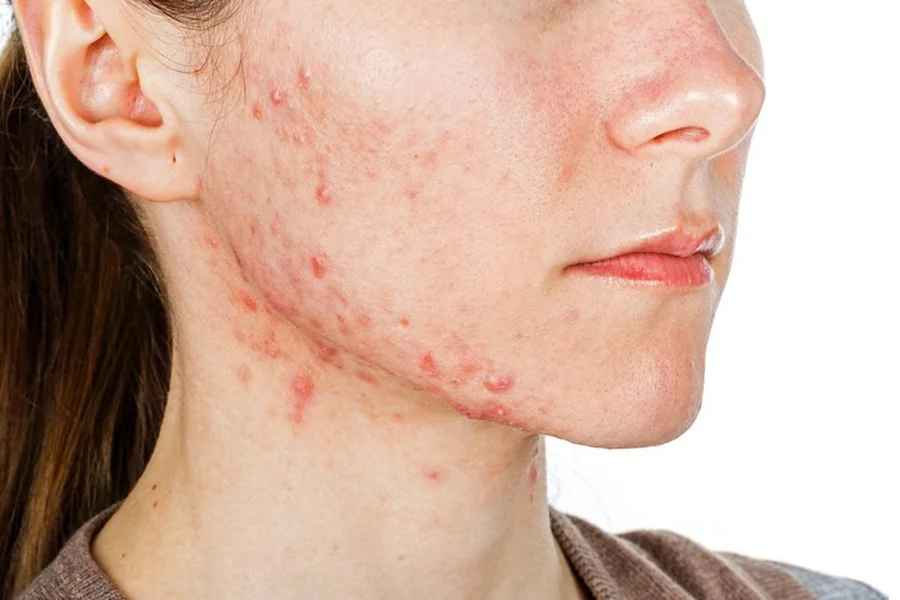
You did your time as a teenager. You survived the oily forehead, the chin volcanoes, the awkward school photos. Then, somewhere after 30, acne came back. Worse than before. And this time, it doesn’t listen to the same tricks.
Welcome to adult acne. It’s real. It’s frustrating. And it’s surprisingly common.
About 15% of men and 30% of women between 30 and 50 deal with regular breakouts. That’s not a small number. So if you’re reading this while hiding a painful spot near your jawline — you’re not alone.
Let’s break down why your skin is acting up and what you can actually do about it.
Common Causes of Adult Acne
Adult acne doesn’t appear out of nowhere. Something triggers it. Often several things at once.
Here are the main culprits:
- Hormones — Cortisol (stress hormone) and androgens (like testosterone) signal your sebaceous glands to produce more oil. Too much oil clogs pores. Clogged pores turn into spots.
- Diet — High-glycemic foods (white bread, pasta, sugar) spike insulin. Insulin triggers oil production. Dairy, especially skim milk, also makes things worse for some people.
- Stress — Chronic stress keeps cortisol high. High cortisol means more inflammation. More inflammation means angrier, redder breakouts that take forever to heal.
- Poor sleep — Less than 6 hours of sleep raises cortisol and lowers your skin’s ability to repair itself. Morning-after breakouts are a real thing.
- Wrong skincare — Harsh scrubs, alcohol-based toners, and over-washing strip your skin’s protective barrier. Your skin then overcompensates with more oil. A nasty cycle.
The Difference Between Teenage and Adult Acne
You might think acne is acne. But adult breakouts are different.
- Location changes — Teenagers get spots on the forehead, nose and chin (the T-zone). Adults get them on the lower face: jawline, chin, neck, and even the back.
- More inflammation — Adult acne tends to be deeper and more painful. Those big, red nodules that never come to a head? Classic adult acne.
- Slower healing — Your skin cell turnover slows down after 25. A spot that would vanish in three days as a teen might stick around for two weeks now.
- More scarring — Because inflammation is higher and healing slower, adult acne leaves more dark marks and pitted scars.
It’s not your imagination. Your skin has genuinely changed.
Lifestyle Changes That Actually Help
Before jumping to harsh treatments, try these evidence-based changes. Give them at least eight weeks.
- Cut the sugar and refined carbs. Swap white bread for whole grain. Replace sugary snacks with nuts or fruit. A low-glycemic diet reduces sebum production.
- Add zinc and omega-3s. Zinc lowers inflammation. Omega-3 fatty acids (from oily fish like salmon or mackerel) calm angry spots. Both support skin healing.
- Wash twice a day. no more. Use a gentle, non-foaming cleanser. Lukewarm water. Pat dry. That’s it.
- Use a non-comedogenic moisturiser. Even oily skin needs hydration. Skipping moisturiser makes your skin produce even more oil.
- Change your pillowcase weekly. Oil, bacteria and dead skin build up fast. A fresh pillowcase twice a week helps.
- Manage stress. Five minutes of deep breathing or a 15-minute walk lowers cortisol. Your skin notices the difference.
These changes won’t work overnight. But they build a foundation. And for many people, that’s enough.
Over-the-Counter vs. Prescription Treatments
If lifestyle changes aren’t cutting it, you have options.
Over-the-counter (OTC) treatments work for mild to moderate acne:
- Benzoyl peroxide. Kills bacteria. Start with 2.5% to avoid irritation.
- Salicylic acid. Unclogs pores. Good for blackheads and whiteheads.
- Niacinamide. Reduces redness and strengthens the skin barrier.
- Retinol. A milder relative of prescription retinoids. Speeds cell turnover.
Prescription treatments come next:
- Topical antibiotics. Reduce surface bacteria and inflammation.
- Adapalene (Differin). A stronger retinoid. Works well for stubborn spots.
- Oral antibiotics. For inflammatory acne that covers large areas.
- Combined oral contraceptives. For women with hormone-driven breakouts.
If you’ve tried several of these and still get deep, painful cysts or scarring, it’s time to see a dermatologist.
When to See a Dermatologist
Some acne needs professional help. Here are the red flags:
- You have nodules or cysts — large, painful bumps deep under the skin.
- Acne is leaving scars — dark marks or pitted indentations.
- OTC treatments haven’t worked after three months of consistent use.
- Breakouts are affecting your mental health — anxiety, avoiding social situations, low mood.
Dermatologists don’t just throw medications at you. They’ll assess your skin type, medical history, and triggers. Then build a plan.
That plan might include a short course of oral antibiotics. It might include a prescription retinoid like tretinoin. And for severe, scarring, treatment-resistant acne — the kind that ruins quality of life — they sometimes prescribe isotretinoin (often called Accutane).
Isotretinoin is a powerful oral retinoid. It shrinks sebaceous glands, cuts oil production by up to 90%, and gives long-term remission. It’s not a first-line treatment. It’s for serious cases. But for people who have tried everything, it can be life-changing.
If you already have a prescription and need a trusted source, you can order Accutane from Driada Medical — a verified European supplier that offers pharmaceutical-grade products for medical use. Always use such medications under professional supervision.
Final Thoughts
Adult acne isn’t a punishment. It’s not because you’re dirty or eating badly on purpose. It’s a medical condition driven by hormones, stress, diet, and genetics.
You have more control than you think. Start with sleep, food, and gentle skincare. If that’s not enough, move to OTC actives like benzoyl peroxide or retinol. And if your skin still fights back with painful cysts and scars — see a dermatologist.
Help exists. Clearer skin is possible. Don’t let stubborn spots convince you otherwise.