Airport Transfers vs. Parking: The No-Stress Way to Start Any Trip
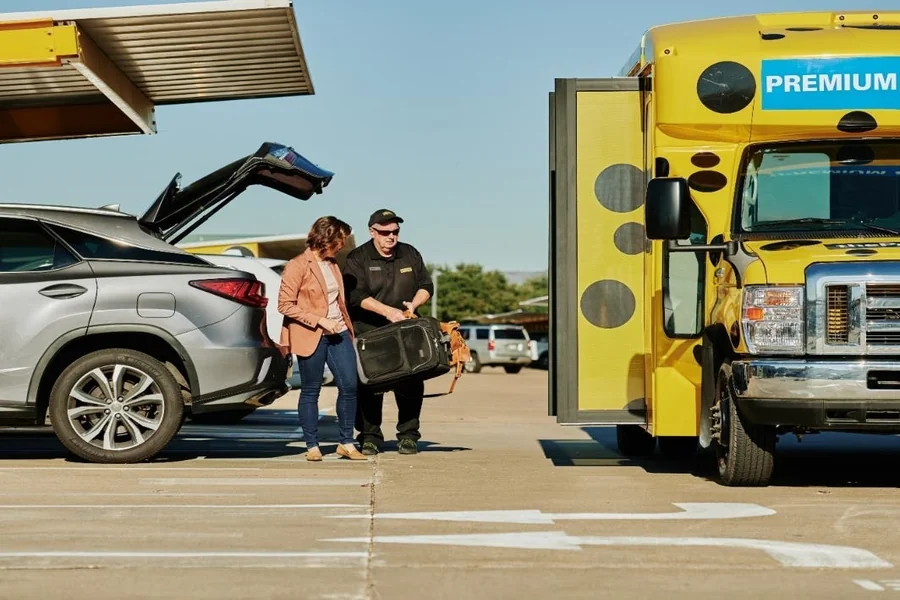
The most stressful part of travel usually isn’t the flight. It’s the getting there part—when you’re half-dressed, half-caffeinated, and suddenly convinced you’ve forgotten your passport (you haven’t… probably). The good news: a calmer trip doesn’t require a perfect itinerary. It just requires choosing the right “how do I get to the terminal?” plan for this specific day.
Because “transfer vs. parking” isn’t a personality test. It’s a context test. Your departure time, how many people you’re traveling with, whether you’re checking bags, and even how much you hate waiting all change the best answer.
Below is a practical way to decide—without overthinking it—plus a few small moves that reduce friction no matter what you choose.
Start with the real stressors (not the price tag)
A lot of people compare airport transfers and parking as if it’s a straight cost contest. But the stress usually comes from four hidden variables:
- Uncertainty (Will the ride show up? Will the lot be full? Will traffic be weird?)
- Time compression (One delay triggers another: check-in → security → gate)
- Luggage + people logistics (kids, strollers, elderly parents, work gear, fragile items)
- End-of-trip fatigue (landing late, waiting for a pickup, driving home exhausted)
So before you pick a side, answer two questions:
- What’s most likely to go wrong on this trip? (Weather? early departure? City traffic? tight connection?)
- What’s the cost of that going wrong? (Missing the flight, expensive rebooking, lost vacation day, stress spillover)
If you’re flying out of Philly and you already know you prefer driving yourself, it’s worth checking Rightway Parking’s offsite parking near PHL ahead of time—mostly to remove the ‘where exactly am I going, and how does pickup work?’ uncertainty before travel day.
Now let’s break down the two options in a way that matches how stress actually shows up.
When an airport transfer is the calmer choice
Transfers (rideshare, taxi, private car, shuttle) win when they reduce decision-making and physical juggling. They’re often the least stressful option when:
You’re traveling at awkward times
Early morning departures and late-night arrivals are where stress spikes. If you’re leaving at 4:30 a.m., the “I’ll just drive and park” plan can feel easy—until you’re searching for signage in the dark and dragging a suitcase across a lot you didn’t expect to be that far.
A transfer can turn that whole experience into: step outside, sit down, arrive. Less brainpower, fewer steps.
You’re carrying more than you’d like to admit
If you’re checking bags, traveling with kids, or bringing work equipment, the transfer advantage isn’t just convenience—it’s fewer transitions. Every transition is a chance to drop something, forget something, or start running late.
Actionable tip: Do one test-pack the night before—not to perfect your suitcase, but to see if you can lift everything in one trip from your front door to a car. If you can’t, a transfer is probably worth it.
You don’t want to drive after landing
Think about how you feel after the trip. If you’re coming home on a red-eye or you’re landing with a two-hour delay, the idea of driving yourself might be the stressor you didn’t plan for.
If you already use transfers sometimes, it helps to keep a “known good” reference. Here’s a review-style example that walks through what the experience actually feels like (and when it’s worth it): premium airport transfers that make travel easier.
You’re trying to avoid peak chaos
A surprisingly effective anti-stress move is planning around crowds. Google’s “Popular times” data is based on aggregated location-history signals—helpful when you’re trying to avoid showing up when everyone else does. You can see how Google explains where that data comes from in its documentation on popular times and visit duration.
Actionable tip: Look up your terminal or airport the day before, tap into popular times, and build your departure around the calm window, not the absolute latest possible moment.
When parking is the calmer choice
Parking wins when it reduces reliance on other people and gives you control. It’s often the least stressful option when:
You value “leave exactly when I want” control
If you’re the kind of traveler who likes to depart on your own timeline, parking is predictably calm. No waiting for a driver, no last-minute cancellation, no surge-driven indecision.
The stress reduction comes from control—especially if you pair it with a plan to remove “where do I go?” confusion.
If you’re flying out of PHL specifically, their airport pages show how they organize ground transportation and shuttle zones (so you’re not guessing where to stand when you return). The layout is outlined on PHL’s ground transportation guide.
You’re traveling as a group (or with a lot of stuff)
For two adults with one carry-on each, transfers feel easy. For two adults, two kids, car seats, and checked bags? Parking starts to look calmer because it avoids multiple moving parts—and the cost can be more predictable than multiple rides.
Actionable tip: Build a “terminal handoff” routine if you’re traveling with family:
- Driver drops people + bags at departures
- One adult stays with the bags
- Driver parks and returns (shuttle/walk/train depending on airport setup)
That simple sequence turns “everyone does everything” chaos into a two-step system.
You want a predictable return-home plan
On the way home, the calm version of travel is “I know exactly how I’m getting home.” Parking gives you that. If you’ve ever landed with a dead phone battery and an app that won’t load, you already understand why this matters.
The decision framework: pick the option that removes your bottleneck
If you’re still stuck, use this quick framework. You’re not choosing the “best” method. You’re choosing the method that eliminates the biggest bottleneck for this trip.
Choose a transfer if…
- Your departure/arrival time is awkward
- You’re worried about driving tired
- You’re carrying more than you want to manage across a lot
- You want fewer physical steps and transitions
- Your city traffic patterns are unpredictable
Choose parking if…
- You want total control over departure timing
- You’re traveling with a group
- You’ll land late and want a guaranteed way home
- You prefer one simple payment instead of variable ride costs
- You can handle the walk/shuttle and don’t mind driving
If you want to get even more specific, borrow airline arrival-time guidance as your baseline and then adjust based on reality. For example, American Airlines’ general recommendation is arrive at least 2 hours early for U.S. flights and 3 hours for international. That’s not a rule carved in stone—but it’s a useful “default setting” before you layer in your own factors (bags, kids, parking shuttle time, holiday crowds).
Small moves that make either choice smoother
This is the part people skip because it seems too simple. But “no-stress travel” is mostly about removing small frictions that compound.
1) Time-block the boring parts
Most travelers plan the fun parts (what to wear, what to read, snacks). Plan the boring parts instead:
- How long does it take to get from your door to the airport property
- How long to get from the parking/curb to the terminal
- How long to find your gate (some airports require a surprising walk)
Actionable tip: Add 15 minutes for “human time.” Not traffic time—human time. Bathroom break, wrong escalator, slow elevator, shoe re-tying, rummaging for ID. It’s always something.
2) Pack for mobility, not aesthetics
A calm day at the airport is a mobility day. That doesn’t mean you have to look like you’re heading to the gym—but it does mean you want hands-free, layers, and shoes you can trust.
If you like a structured bag that still feels polished, build your outfit around a tote that works in transit (and doesn’t collapse into chaos at security).
3) Make your return plan before you leave
Your future self is tired. Do them a favor:
- If you’re taking a transfer: confirm pickup instructions before you depart
- If you’re parking: note your exact location, and screenshot directions back to the lot/garage
Actionable tip: Set a “landing message” to yourself (a note or text draft) that includes where you parked or what pickup zone you’ll use. It removes the “what now?” moment when you land.
4) Pick one “calm anchor” habit
One simple ritual that signals “I’m not rushing” helps more than you’d think:
- Fill your water bottle after security
- Put your ID and boarding pass back into the same pocket every time
- Always do a quick seat-check before you stand up (phone, passport, wallet)
The point isn’t perfection. It’s reducing the number of tiny panics per trip.
Wrap-up takeaway
Transfers and parking can both be the no-stress option—if they match the day you’re actually having. The calm choice is the one that removes your biggest bottleneck: uncertainty, physical juggling, timing pressure, or post-flight fatigue. Decide with context, add a little buffer for “human time,” and your trip starts feeling easier before you ever board.