All Information you need to know about SD Cards
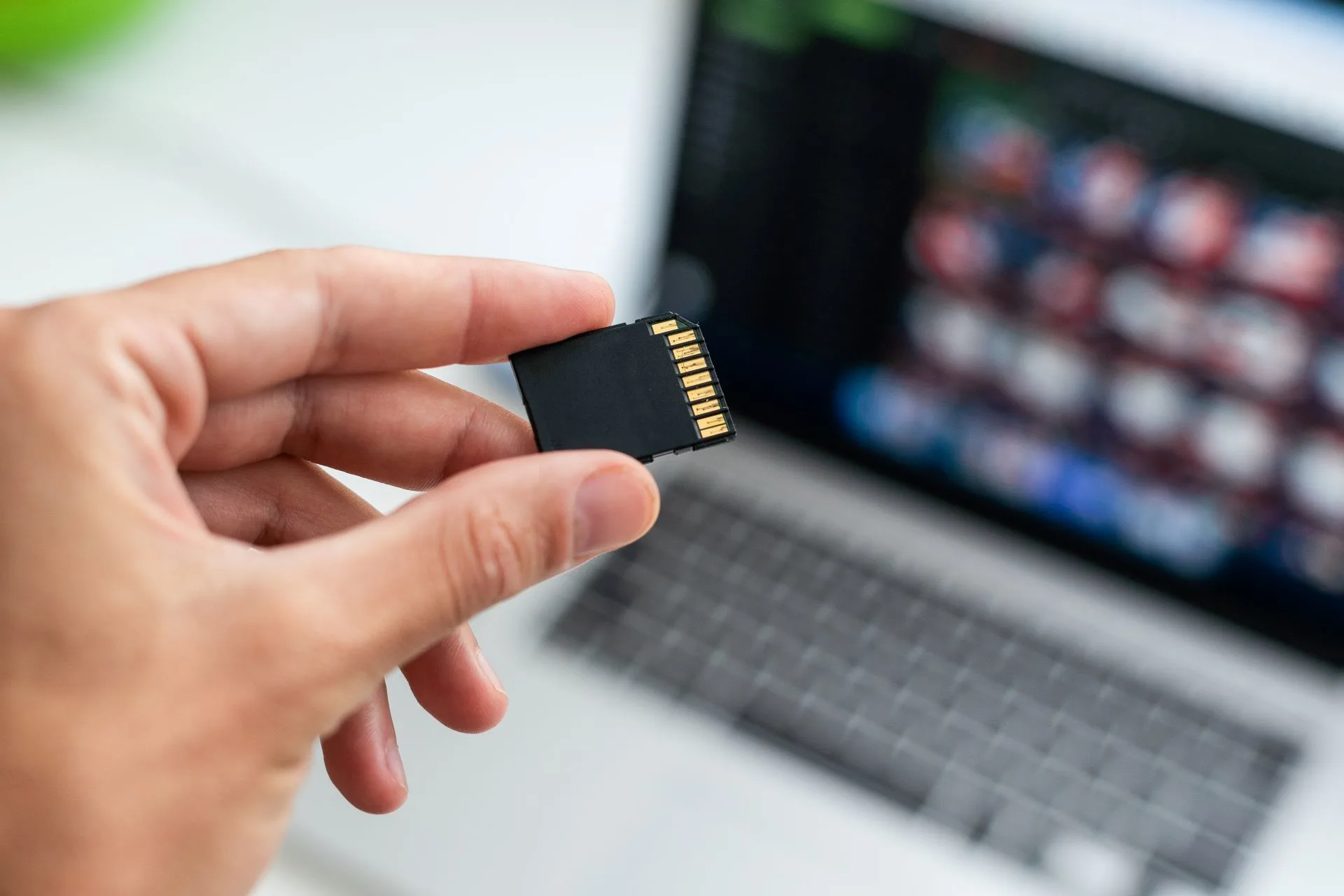
One of the most used types of storage sources is micro SD that is used in smartphones and tablets as well as in cameras, drones, and game consoles. Yet, their small size doesn’t matter, and these small cards contribute much to the growth of storage capacity, files transfer, and a proper functioning of your digital life.
This blog post will explain what a micro sd card is, the mechanism, the significance and the selection of the micro sd card.
What Is a Micro SD Card?
micro SD (Secure Digital) card is a small flash memory card which is utilized to store some information like photos, videos, applications and documents. They are made in a small size and lightweight, and hence suitable to mobile and portable devices. Micro SD cards, initially proposed as an even smaller version of the standard SD cards, have become popular as they became versatile and have begun to increase storage capacities.
Types and Sizes
There are a variety of format types and capacities of micro SD cards. The main categories include:
- microSD- The initial format, usually a maximum of 2GB.
- microSDHC (High Capacity) -4GB to 32GB.
- microSDXC (Extended Capacity) – Provides storage of 32GB all the way to 2TB (however, in practice the quantity may be lower).
These classifications assist gadgets and users to know their compatibility and maximum storage. It is always important to check the specifications of your device to be aware of its type support.
Starving Cards: The Question of the Micro SD Card.
Micro SD cards are not becoming obsolete despite the fact that many of the contemporary devices have large in-built memory and are offered with large built-in storage due to a number of reasons:
Expandable Storage
This is among the greatest benefits of the micro SD cards because they enable you to increase the storage without necessarily upgrading your whole device. When your phone or tablet starts to get full, one of the cheapest solutions would be to add a micro SD card and get more photographs, songs, videos and applications.
Portability and Data Transfer
Data transfer is easily achieved through micro SD cards. You can as an illustration, transfer a card in a camera to a computer and be able to read files or store files faster without having to use cables or wireless connections.
Versatility Across Devices
The applications of these cards in electronics are many and can be listed as:
- Smartphones and tablets
- Action cameras and digital cameras.
- Drones and security cameras
- Handheld gaming consoles
- GPS and car audio systems
This wide compatibility fact renders micro SD cards to be one of the most versatile forms of storage.
Speed Classes The meaning of speed classes is as follows: classes with a smaller number have a higher velocity, while those with larger numbers have lower velocity.The meaning of Speed Classes The meaning of the speed classes is as follows: lower classes have higher velocity, and higher classes have lower velocity.
Speed is an issue when selecting a micro SD card. The speed defines the rate at which one can write or read information on the card (this influences the performance of various activities).
Speed Class Ratings
The card has speed classes that are marked and they include:
- Class 2, 4, 6, 10 -Applicable to general applications such as the storage of photographs and simple video.
- UHS (Ultra High Speed) U1 and U3 -The higher performance, particularly in HD, 4K video recording.
- Video Speed Classes V6, V10, V30, V60, V90 -Optimized to provide stability in video performance at higher resolutions.
Faster speed ratings are most critical with devices that capture video or devices with high read/write rates such as action cameras and UAVs.
Read Also: How Branded Casual Sports Shoes Elevate Kids’ Streetstyle Fashion with Comfort and Flair
The best micro SD card to use
The process of choosing the micro SD card is daunting but can be simplified by dividing it into several major considerations.
Storage Capacity
Begin by considering the amount of space required:
- 16GB-32GB: Suitable with basic storage and photographs and standard definition video.
- 64GB-128GB: Perfectly suitable with smartphones and tablets that have a significant amount of media.
- 256GB and more: Ideal with 4K video, huge app collection, and massive media content.
Finding the capacity that will satisfy your needs now and also enable you to grow is always the best.
Speed Requirements
The speed that you require is dependent on your device and use case. For example:
- Storage of casual photography or music: Class 10 or U1 may be enough.
- Recording HD or 4K video: Find U3 or faster classes.
- Professional videography or high frame-rate recordings: Higher classes of video speed (e.g. V60, V90) are proposed.
The high-speed cards are usually expensive yet they are smoother and faster in data transfer.
Compatibility
The latest micro SDXC cards are not supported by all the devices. Make sure that you check the support formats and maximum capacities of your device before purchasing it by reviewing its official manual or online manufacturer webpage. Older devices can possibly accept only microSD cards or microSDHC.
Caring for Your Micro SD Card
Micro SD cards are not very fragile, and with the proper care, they can last longer and preserve your information.
Tips for Longevity
Keep them dry and clean –Do not expose them to water, extreme temperatures, and dust.
Care needed- Micro SD contacts are fragile. Contact with them with fingers may spread oils and create connectivity problems.
Insert adapters correctly – When putting in an adapter to a computer or camera, care should be taken so that the adapter is not bent by inserting and removing it gently.
Backing Up Data
None of the storage mediums is foolproof. Always save valuable files in a computer, cloud drive or any other external storage drive in order to avoid being lost through corruption or physical destruction.
Conclusion
Micro SD cards are not big, however, they contribute much to contemporary digital world. Be it the need to increase the storage capacity on your smartphone, to take high-resolution video, or move files across devices, knowledge about what to look in a micro SD card will enable you to make wiser decisions. Thinking about capacity, speed, compatibility and proper care you can be sure that your card will suit your requirements and your data will be safe during several years.