Aluminum and Custom Metal Packaging – What Brands Are Actually Getting Right
From seamless, rust-proof bottles to tactile, embossed tins, discover why the future of premium product design is infinitely recyclable.
There’s a tin of Earl Grey on my desk that’s been empty for two years. I haven’t thrown it out. It’s too nice — the kind of thing you repurpose for paperclips or spare change without really thinking about it. That’s the quiet power of good metal packaging, and more brands are starting to figure that out.
For years, packaging conversations got dominated by glass vs. plastic. Aluminum kind of sat in the background, associated with soda cans and industrial containers. That’s changed. Not because of some big marketing push, but because the material genuinely solves problems that glass and plastic don’t.
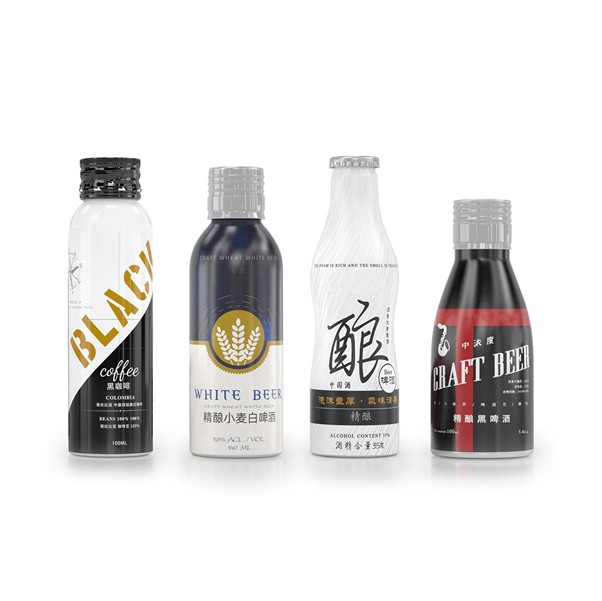
Take aluminum bottles. The ones being made now are nothing like the old stuff. Single-piece construction, no seams — so they don’t leak, they don’t corrode, and they hold up in bathroom humidity without deteriorating. They’re also lighter than glass, which matters more than people realize when you’re shipping hundreds of units. Less weight means cheaper freight. Cheaper freight means better margins, or lower prices, depending on what you’re going for.
They come in sizes from 30ml up to a litre, with whatever closure makes sense — sprayers, pumps, droppers, basic screw caps. Cosmetics brands use them. Essential oil companies swear by them. A few specialty food and drink brands have started switching over too. The food-safe, BPA-free angle isn’t just marketing copy either — aluminum genuinely doesn’t react with most substances, so what’s inside stays exactly as it should.
The Sustainability Advantage of Aluminum Packaging
And then there’s the recycling thing. Aluminum can be melted down and reformed over and over without losing structural integrity. That’s not true of most plastics. For brands trying to reduce waste without compromising the product experience, it’s one of the more honest sustainable choices available right now.
The decorative tin side of things is a different conversation, though honestly a more fun one. Because custom tins are made from workable aluminum alloy, you can get them pressed into pretty much whatever shape you want.
Because aluminum alloy is so workable, you can get it pressed into pretty much whatever shape you want. Flat wide tins for lip balm. Small window tins where you can see the candy inside. Tall hinged boxes for tea or chocolate. Cylindrical canisters with tight lids. The shape itself becomes part of how the customer experiences the product before they’ve even opened it.
How Custom Tin Design Creates Brand Loyalty
What you do with the surface is where personality comes in. Labels and paper etiquettes are the accessible starting point — they’re cost-effective and when done well, they look clean and deliberate. Silk-screen printing gives you sharper lines and more consistent color. Full-color printing with an oxidation process gets you those saturated, slightly matte hues that photograph beautifully. Embossing adds texture — you can feel the logo under your thumb, which sounds like a small thing until you’re holding a competitor’s flat-printed tin and notice the difference immediately. Laser engraving goes deepest, literally cutting into the metal. It’s permanent and it reads as premium.
Close the whole thing with a proper mechanism — a screw cap with an EPE liner to keep moisture out, or a hinged lid with a satisfying snap — and the package stops feeling like a container and starts feeling like part of the product.
That’s not an accident. The brands that have figured this out aren’t spending money on fancy packaging to be extravagant. They’re doing it because customers hold onto it. They reuse it. They post photos of it. A good tin creates a relationship between the brand and the buyer that outlasts the product inside by months, sometimes years.
That Earl Grey tin I mentioned? Still there. I genuinely don’t remember the tea itself anymore. But I remember the brand every single day.