Antarctic Adventure Cruises: Embracing Active Exploration at the Bottom of the World
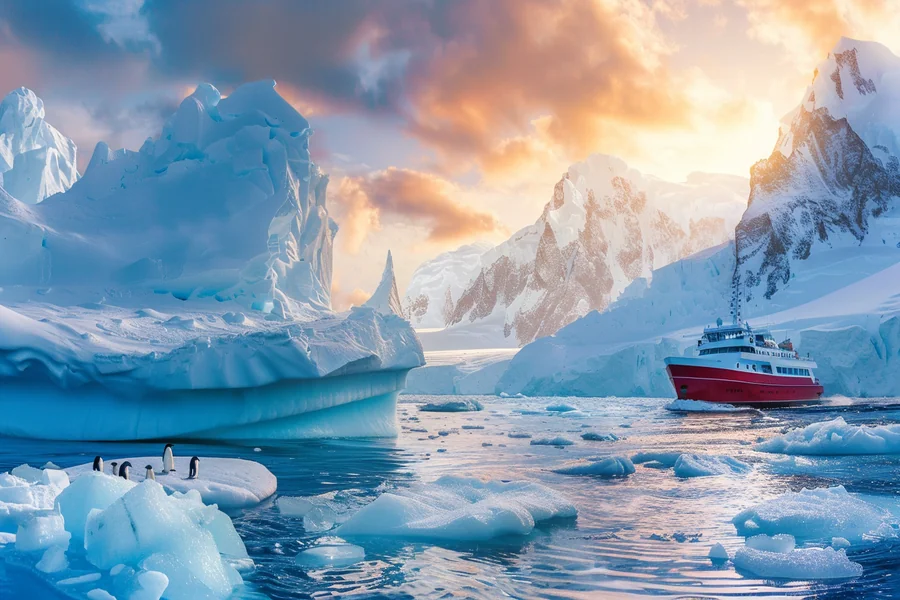
The lure of Antarctica is strong for explorers looking for something out of the ordinary. More than mere visual wonders, however, this frozen waste at the very bottom of our world provides a venue for active participation in one of the harshest climates on Earth. Modern antarctic adventure cruise programs combine thrilling outdoor activities with wildlife encounters, transforming passive observation into immersive exploration. From paddling among icebergs to camping under polar skies, these expeditions cater to travelers who crave genuine adventure while maintaining safety and environmental responsibility.
The Evolution of Antarctic Adventure Travel
The face of Antarctic tourism has changed a lot since the early days of expedition cruising. Today’s adventure-based voyages know that a shipboard view of destinations is no longer sufficient for many travelers, who want to go places as much as see them. This evolution reflects a larger trend in adventure travel, as today’s travelers crave tactile experiences that make lasting memories through active participation.
Contemporary expedition ships for adventure cruising are equipped with such specialised equipment as sea kayaks, camping gear, snowshoes and even photography paraphernalia. The intimate size of small ships (under 200 passengers) make it possible to multi-task without the typical long lines found on larger ships. This operational efficiency, which sees adventurous travellers make the most of every minute in Antarctica, allows for more landings and excursions.
The adventure cruise concept is flexible and it offers daily program made to reflect the weather, ice conditions and wildlife movement. Decades of polar experience are available to you and constant real-time updates from the bridge of your ship will enable a daily program adjusting to varying opportunities and conditions, ensuring maximum excitement off and on the vessel while adhering to safety in operations.
Signature Adventure Activities
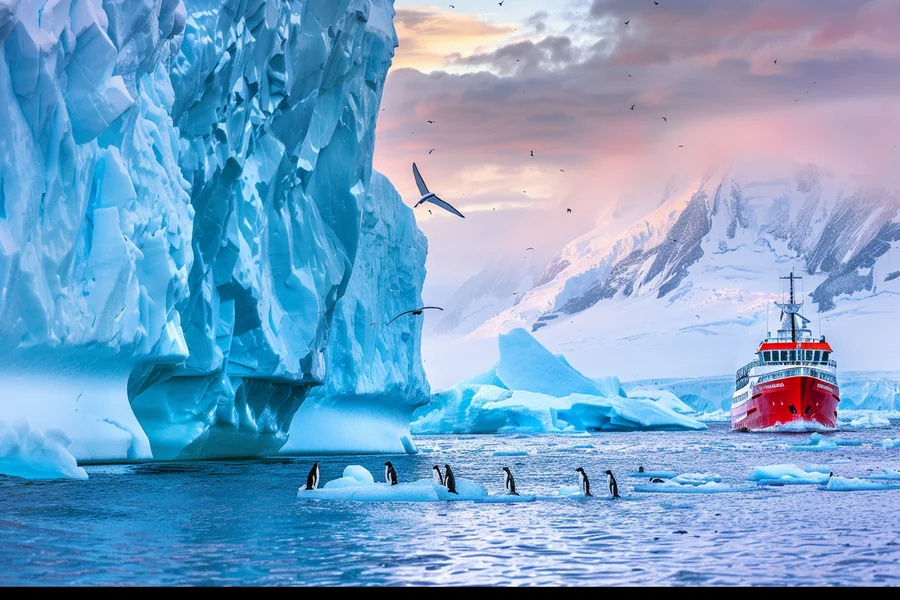
Antarctic adventure cruises distinguish themselves through diverse activity options that engage travelers physically and emotionally. These programs extend far beyond traditional sightseeing, offering multiple ways to interact with the polar environment.
Kayaking Through Ice-Filled Waters
Sea kayaking is one of the most personal forms of exploring Antarctica. Silent kayaking in glacial bays takes travelers within metres of icebergs, seals and penguin colonies. The water-level perspective also unlocks details that remain hidden from ship decks: the intricate blue colors within ice formations, the underwater movements of seals and even how fast penguins can porpoise through waves.
A 5:1 guest-to-guide ratio of highly trained, experienced kayaking guides lead groups from the front and rear of ocean kayak strings through calm protected waters choosing routes dictated by weather conditions and wildlife movement. The mornings are glassy and perfect for photography, while the afternoons could bring playful seals that like to follow behind our colorful boats. Experience of kayaking is generally not necessary, but a good level of general fitness and an enjoyment of water-based activities are.
Polar Camping Experiences
Night camping on ice or snow in Antarctic will be a life-changing experience. Adventure cruise programs that include facilities of overnight camping also include all the required equipment such as four season tents, expedition sleeping bags, and insulated sleeping pads. During dinner on the ship, contestants are taken ashore by boat through Zodiac and camp is set up at strategically chosen locations.
Spending time sleeping in the midst of Antarctic silence is an overwhelming experience. The ice itself is heard, as the temperatures fall upon its death, at sunset–cracking, groaning, and settling, according to the old-fashioned campers, in the ice’s sound of the symphony of the ice. There are nights when the southern lights put on a spectacular show in some of the camping nights whereas there are those with unending twilight in the summer months and particularly when the seasons are at peak. In the morning, the landscape around is viewed in a new light and penguins tend to be very inquisitive and visit the areas.
Zodiac Expeditions and Shore Activities
Shore landings complement Zodiac activities with opportunities for:
- Hiking and Mountaineering: Guided walks range from gentle beach strolls to moderate ridge climbs, offering panoramic views of surrounding peaks, glaciers, and ocean. Some programs include technical mountaineering for experienced climbers.
- Snowshoeing: When snow conditions permit, snowshoes enable travel across terrain otherwise too soft for walking. Early-season expeditions particularly benefit from snowshoeing capabilities.
- Photography Workshops: Professional photographers aboard adventure cruises conduct field workshops covering wildlife photography, landscape composition, and technical settings for extreme conditions. Platforms like those offered by operators such as Poseidon Expeditions integrate educational components into active exploration.
- Citizen Science Projects: Many adventure cruises incorporate research activities where passengers assist scientists by collecting data on whale sightings, penguin populations, or microplastics in ocean samples.
Wildlife Encounters During Active Exploration
Active participation in Antarctic exploration creates wildlife encounters fundamentally different from shipboard observation. Kayakers frequently find themselves surrounded by feeding whales, with humpbacks surfacing within meters of their boats. The exhilaration of witnessing a whale breach from a kayak’s perspective—feeling the sound wave travel through the hull—surpasses any deck-based sighting.
Shore activities bring travelers into penguin colonies where thousands of birds nest, court, and raise chicks. Walking quietly among gentoo or chinstrap penguins while they go about their lives provides insights into behavior patterns impossible to observe from a distance. Elephant seals lounging on beaches often ignore nearby humans entirely, allowing photographers remarkable opportunities for close-up portraits.
Adventure cruise participants also encounter Antarctic wildlife in unexpected contexts. Leopard seals occasionally investigate Zodiacs, approaching close enough that their spotted coats and formidable teeth become clearly visible. Skuas patrol campsites hoping for food scraps, while snow petrels circle overhead. These unscripted moments of connection with Antarctic wildlife form the most cherished expedition memories.
All wildlife interactions during adventure activities follow strict guidelines established by the Antarctic Treaty environmental protocols, ensuring minimal disturbance to animals while allowing travelers meaningful encounters. Expedition teams maintain appropriate distances, limit group sizes, and time visits to sensitive areas carefully.
Preparing for Your Antarctic Adventure
Successful participation in adventure cruise activities requires appropriate preparation, though programs accommodate varying fitness levels and experience. Most activities welcome beginners, with expert guides providing instruction and ensuring safety throughout.
Physical preparation should include:
- Cardiovascular Fitness: Activities like kayaking and hiking benefit from aerobic conditioning. Regular walking, swimming, or cycling in the months before departure builds necessary stamina.
- Flexibility and Balance: Zodiac boarding and movement across uneven terrain require reasonable agility. Yoga or stretching programs enhance comfort during expedition activities.
- Cold Weather Tolerance: While Antarctic temperatures during cruising season remain moderate—typically hovering near freezing—wind chill can create colder conditions. Testing cold weather gear before departure ensures comfort.
- Mental Preparedness: Adventure activities involve accepting unpredictability. Weather may prevent planned activities, requiring flexibility and positive attitudes when itineraries change.
Environmental responsibility remains paramount during all adventure activities. Guidelines outlined in the Protocol on Environmental Protection protect this pristine wilderness, and all reputable operators ensure guests understand and follow these protocols. Proper biosecurity procedures, wildlife distance regulations, and leave-no-trace principles preserve Antarctica for future generations while enabling current visitors to engage actively with this extraordinary environment.
Read More: Celebrate the Holidays with a Tennessee Adventure to Remember