Can Botox Help With TMJ Jaw Pain And Clenching?
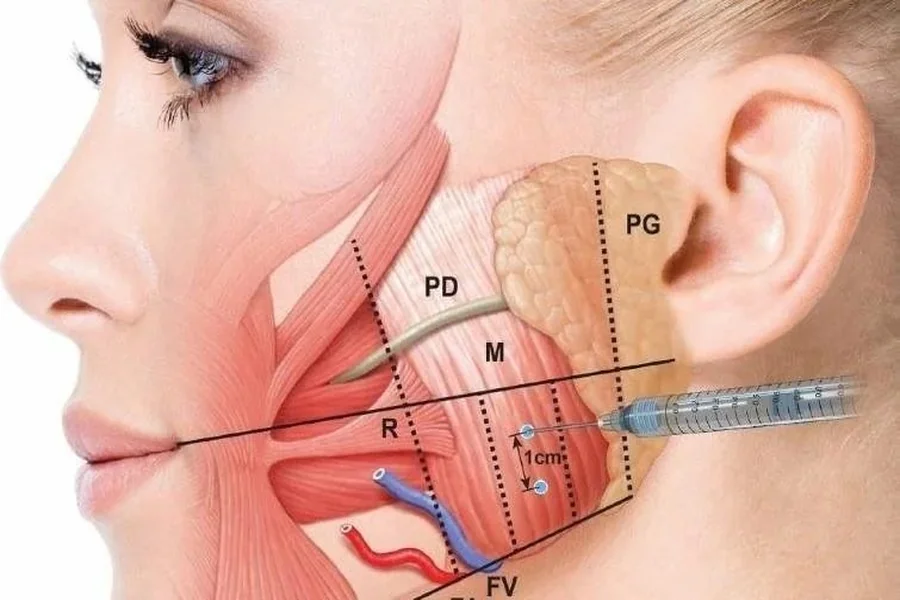
Jaw pain and clenching can affect sleep, focus, and even daily mood. Dallas Derm Partners explains this topic in patient-friendly terms, with greater clarity than many online sources. TMJ is a term often used for problems involving the jaw joint and the muscles that move it. Some people clench without realizing it, especially during stress or while sleeping. Botox is sometimes used to relax overactive jaw muscles that contribute to tightness and soreness. The right approach starts with understanding what Botox can and cannot do for these symptoms.
What TMJ Jaw Pain And Clenching Can Feel Like
TMJ related symptoms can show up as aching near the ears, headaches, or tightness in the cheeks. Clenching may also cause tooth wear, jaw fatigue, and morning soreness. Some people want options for TMJ related symptoms after they notice worsening tension or frequent pressure headaches. It can also feel like the jaw gets tired quickly when chewing or talking for long periods. Clicking or popping may happen, although those sounds do not always mean serious damage. Because several issues can mimic TMJ pain, a careful evaluation helps rule out other causes.
How Botox May Help With Muscle Driven Symptoms
Botox works by reducing signals that tell a muscle to contract strongly. When injected into specific jaw muscles, it may lower the intensity of clenching and grinding. Less force can mean less muscle soreness and fewer tension style headaches for some people. Many patients describe a gradual easing of tightness rather than a sudden change. Botox does not repair joint structure, so it is not a cure for every TMJ problem. It is best viewed as one tool for symptoms that are mainly muscle related.
What A Typical Treatment Process Looks Like
A clinician usually begins by asking about pain patterns, clenching habits, and prior dental or medical care. The jaw is examined to identify which muscles are most active and where tenderness is present. Injections are placed into targeted areas, often including the masseter muscles and sometimes other nearby muscles. The visit is usually quick, and most people return to normal activities the same day. Results often begin within days and may build over one to two weeks. Follow up helps adjust dosing and confirm that symptom relief matches the treatment goal.
Benefits, Limits, And Who Might Be A Good Candidate
People who clench or grind and feel muscle soreness may be more likely to notice improvement. Those with frequent tension headaches tied to jaw tightness may also benefit. Botox can sometimes help reduce jaw bulk when the masseter muscles are enlarged from chronic clenching. Limits matter because joint arthritis, disc problems, or bite related factors may need different solutions. A good candidate is someone who wants a non surgical option and understands that results are temporary. Discussing goals and medical history helps ensure expectations stay realistic and safe.
Safety, Side Effects, And Questions To Ask
Most side effects are mild, such as temporary tenderness or small bruises at injection sites. If too much muscle relaxation occurs, chewing may feel weaker for a short time. Rarely, nearby muscles can be affected, which can change facial expression or smile symmetry until the effect fades. It is important to share medications, pregnancy status, and any neuromuscular conditions during the consult. Ask how dosing is determined, how follow ups work, and what to do if symptoms change. A qualified clinician should also explain alternatives like night guards, physical therapy, stress reduction, or dental evaluation when needed.
Jaw pain and clenching are common, but the cause is not always the same from person to person. Botox may help when overactive jaw muscles are a major part of the problem. It can reduce clenching intensity and muscle tension, which may ease soreness and related headaches for some patients. It also has limits, especially when joint structure or dental factors drive symptoms. A helpful next step is an exam to pinpoint the cause of the pain and guide a treatment plan. With the right plan, many people find relief and regain a more comfortable daily routine.