Cotton vs. Polyester vs. Blends: How to Choose the Best Fabric
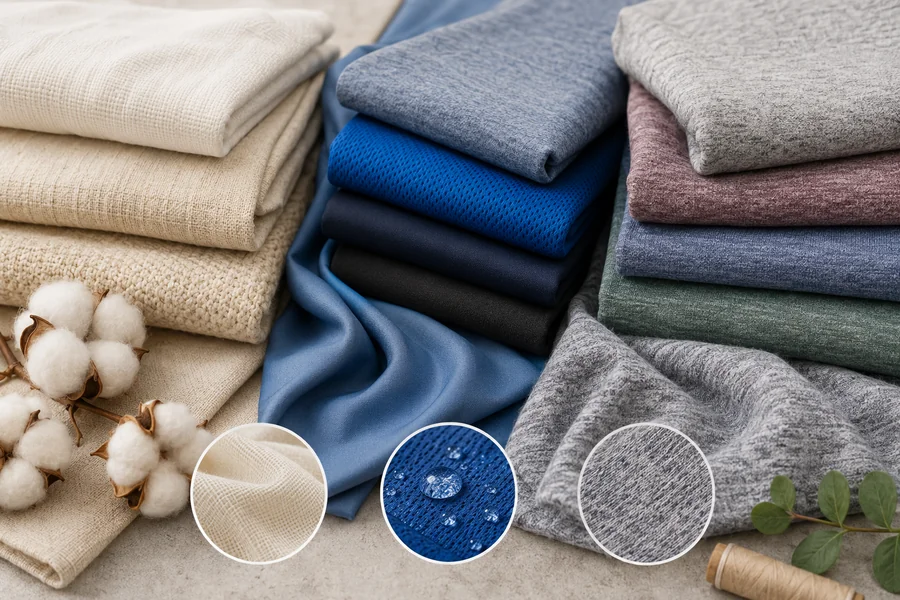
Anyone who’s ever been in a fabric shop or glanced at a clothing tag, unsure whether they should buy cotton, polyester or a mix, is not the only person. One of the most popular sewing, fashion and home textiles questions is, of course, there is no winner and the correct answer. The fabric will depend on what is going to be used for, how it’s going to feel, how long it should last, and its effect on the environment.
Each type of fabric is explained simply, compared side by side and given a basic guideline for selecting the right fabric, from which you will be able to choose with confidence.
The Quick Answer
For softness, breathability and for a natural feel, use cotton for everyday wear, skin close apparel, baby and bedding. Opt for polyester if you want long-lasting existence, resistance to wrinkles, speedy drying, and vibrant hues that will not fade, such as activewear, outerwear or heavily utilized items. If you are looking for a combination of the two, a cotton/polyester mix may be a good choice, as it will have reasonable comfort, added strength, minimal shrink, and be less expensive.
Right, let’s see why.
Cotton: The Natural Classic
The cotton fibers of the plant are spun into yarns and woven or knitted into fabric. It has been the mainstay of clothing and textiles for centuries, and that’s for a good reason.
The strengths of cotton:
- Breathability. Cotton allows air to circulate through it, helping to keep you cool and comfortable, particularly in hot temperatures.
- Softness. It’s soft on the skin and it doesn’t irritate as well – it’s a popular choice for sensitive skin and babies.
- Absorbency. Cotton can absorb water easily and that’s the reason why it is used in towels and warm-weather garments.
- Versatility. Prints and dyes beautifully and is used for all manner of things, from clothing to quilting.
Where cotton falls short:
- Shrinks in hot water or when washed in a tumble dryer, especially if it has not been pre-shrunk.
- It is easy to iron and wrinkles with use.
- It is moisture retaining and not wicking, meaning that a cotton shirt will remain sweaty.
- May fade with washings over time.
Within the world of cotton, quality varies enormously. For sewing and quilting, a tightly woven 100% cotton holds up far better than the loose, thin cotton found in cheap fast-fashion garments. If you’re piecing a project meant to last for years, sourcing quality quilting cotton from a quilt shop like Stitchin’ Heaven makes a noticeable difference in how the finished item drapes, wears, and washes.
Polyester: the performance fiber
Polyester is a man-made fibre which is produced from petroleum plastics. It became popular due to its ability to overcome many of the drawbacks of cotton.
Polyester’s Strengths:
Durability. It has good tearing and abrasion resistance which ensures that the garments will not wear out easily with heavy usage.
Wrinkle and shrink resistance. Maintains shape and doesn’t often require ironing.
Moisture-wicking. It aids in the removal of sweat from the body and dries rapidly, which is why it is heavily relied on by activewear.
Color retention. Polyester won’t fade out, maintaining beautiful prints and dyes.
Where polyester falls short:
Less breathable which can feel clingy or warm on the skin.
May be artificial or somewhat rubbery when used at higher rates.
It can attract static and is of the nature to hold onto to odors.
It is petroleum-based, and releases microplastics during washing, which poses environmental concerns.
Blends: the best of both worlds
Blend: A blend is a mixture of two or more fibers typically cotton and polyester that are blended together to achieve a combination of their benefits. The ratio indicated on the label gives you a good indication of what you can expect.
Half Cotton/ Half Poly: Durable and fast drying, moderately comfortable. A basic fabric that’s great for making uniforms and cheap basics.
65/35 (more polyester): Favors lower price, durability, and wrinkle resistance; used for workwear and promotional clothing.
80/20 (mostly cotton): Retains cotton’s softness and breathability, with a few polyester qualities of strength and shrink resistance. A popular day to day balance.
Tri-blends (cotton, polyester, and rayon): Prized for an exceptionally soft, lightweight, drapey feel, often used in premium tees.
Higher-quality natural fibre is more expensive, shrinks more and is less easy to pill as compared to blends — hence their dominance in casual wear.
Side-by-side comparison
| Feature | Cotton | Polyester | Cotton-Poly Blend |
| Breathability | Excellent | Lower | Moderate |
| Softness | Very soft | Synthetic feel | Soft to moderate |
| Durability | Moderate | Excellent | Very good |
| Shrinkage | Prone to shrink | Minimal | Low |
| Wrinkling | Wrinkles easily | Resists wrinkles | Resists wrinkles |
| Moisture | Absorbs & holds | Wicks & dries fast | Balanced |
| Pilling | Can pill | Resists pilling | Low pilling |
| Cost | Higher (quality) | Lower | Often lowest |
| Sustainability | More biodegradable | Petroleum-based | Hard to recycle |
How to choose: match the fabric to the job
Rather than asking “which fabric is best,” ask “best for what?” Here’s a practical way to decide.
For everyday clothing and warm weather: Go with cotton or a cotton-heavy blend (80/20). You’ll get comfort and breathability where it matters most.
For activewear and the outdoors: Polyester or a performance blend wins. Quick drying and durability beat softness when you’re moving and sweating.
For bedding, towels, and baby items: Choose 100% cotton for absorbency and gentleness against skin.
For sewing and quilting projects: Reach for quality 100% cotton. It cuts cleanly, presses crisply, holds a seam, and ages gracefully — qualities that matter when you’re investing hours into something handmade.
For budget-conscious, high-use items: A 50/50 or 65/35 blend gives you durability and easy care at the lowest cost.
For the eco-conscious shopper: Favor natural fibers, ideally organic cotton, which is more biodegradable than synthetics. Polyester sheds microplastics and is harder to recycle, while blends are the trickiest to recycle because the fibers are difficult to separate.
Read More: Fuchsia Blazer Styles Brightening Modern Fashion Trends
A note on caring for each fabric
How you wash and store fabric affects how long it lasts.
Cotton: Wash in cold or warm water and either air dry or use low heat to avoid shrinkage. Pre-washing fabric before sewing prevents surprises later.
Polyester: Wash cold and skip high heat, which can damage synthetic fibers and set odors. It dries quickly on its own.
Blends: Follow the care for the dominant fiber, generally a cold wash and low-heat dry, which keeps them looking fresh and minimizes pilling.
Frequently asked questions
Is a cotton-polyester blend better than 100% cotton?
Not better or worse — different. Blends offer more durability, less shrinkage, and a lower price, while 100% cotton offers superior breathability, softness, and a natural feel. The right choice depends on the use.
Which fabric is most breathable?
Cotton is the most breathable of the three, which makes it ideal for hot weather and anything worn close to the skin.
Does a cotton-polyester blend shrink?
Much less than pure cotton. The polyester content stabilizes the fabric, so blends typically hold their size and shape better through washing.
Which lasts longer, cotton or polyester?
Polyester is generally more durable and resistant to wear, while cotton is softer but more prone to shrinking, fading, and thinning over time.
What’s the best fabric for sensitive skin?
Cotton, especially organic cotton, is the gentlest choice because it’s natural, breathable, and non-irritating.
Which is the most eco-friendly?
Natural cotton — particularly organic cotton — is more biodegradable than polyester, which is petroleum-based and sheds microplastics. Blends are the hardest to recycle.
The bottom line
There is no such thing as a ‘best fabric’; it’s simply the best fabric for the purpose of the fabric and the use of the fabric. Cotton offers comfort and breathability, polyester offers durability and ease of care, and blends are a happy medium at an affordable cost. If you are clear about the priority you want to put on the product and whether it is feel, longevity, performance, sustainability or cost, then the right option should come to you. And if you are putting something together that you would like to have for so with, it is the one best bet that you can make, to begin with a good natural fabric.