Your Wardrobe Got Conscious – Your Bath Products Didn’t
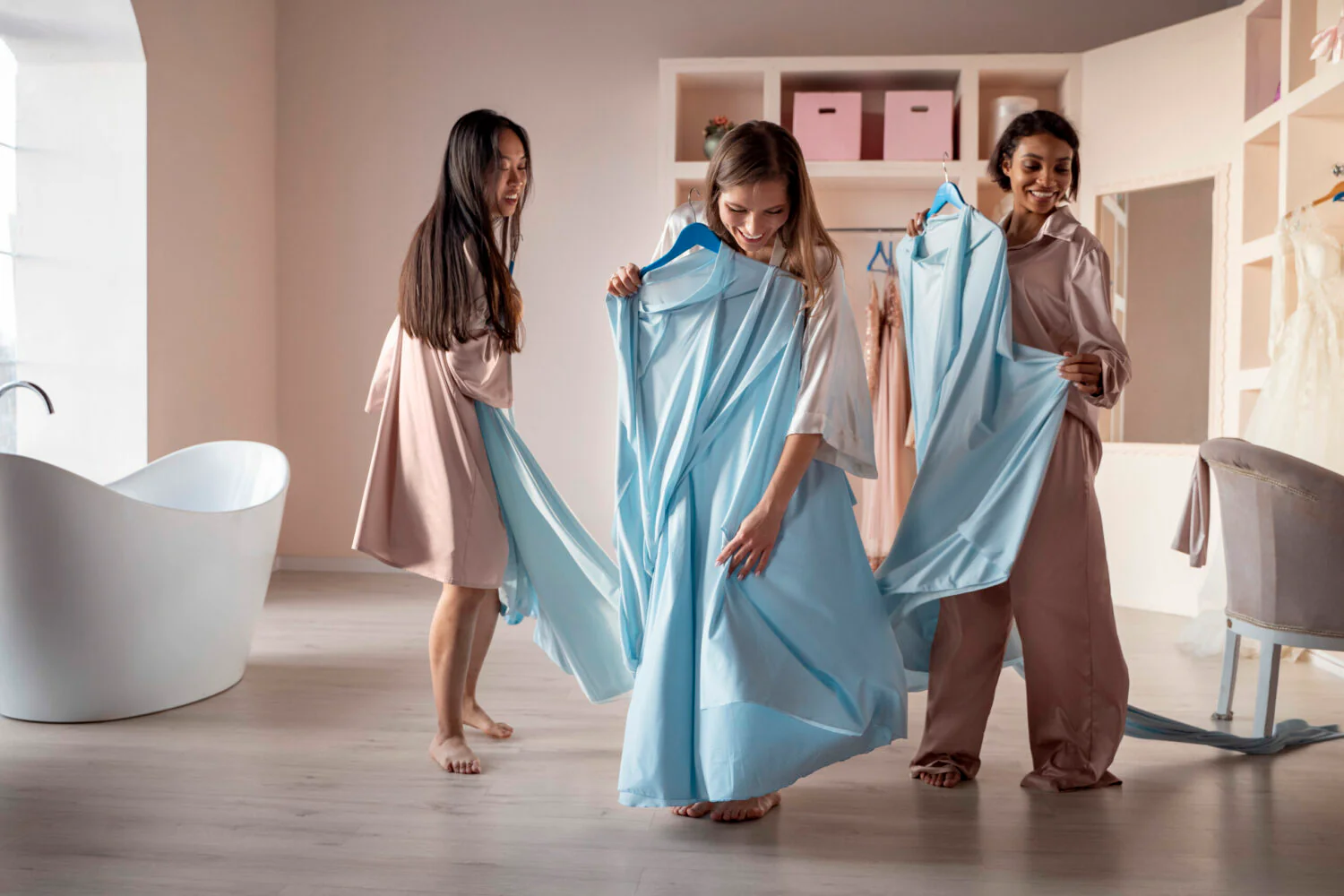
The closet audit happened years ago. Out went the fast-fashion impulse buys. In came natural fibers, deadstock cotton, and small labels willing to name their factories. A whole generation of shoppers learned to read garment tags the way some people read nutrition panels.
Then peek at the bathroom shelf in those same homes. Mostly a wasteland. Synthetic dyes. Mystery fragrances. Plastic bottles from companies that wouldn’t recognize the word “sourcing” if it bit them. The wardrobe got conscious. The wellness routine never did.
Something is shifting there too. And it rhymes with what sustainable fashion looked like back when nobody had heard of it.
The Closet Questions, Now in the Bathroom
Conscious shoppers got disciplined about three things when it came to clothes. What’s in it. Who made it. Where it ends up. None of that disappears when you switch aisles.
What’s in this bottle? Skip the front and flip it over. Is there real lavender in there, or just enough to mention it in the marketing? Is the scent broken out into recognizable components, or compressed into “parfum” – a label that can legally hide dozens of compounds nobody discloses?
Who made it? Small clean-beauty brands and independent botanical formulators with published ingredient policies play a different game from the conglomerates that own most of what’s stacked on drugstore shelves.
What happens to it? Bath products go down the drain. Whatever is in them ends up in the water system. Plastic packaging gets recycled in theory and landfilled in practice. These are real downstream questions.
The Bathroom Shelf Audit
The first thing people notice when they apply the same scrutiny they applied to their closets is how much of their bath routine is filler.
Body washes that read like water with detergent dissolved in. Fizzers stained with synthetic dye and perfumed with chemicals that linger in the tub even after you drain it. Bubble bath bottled from a formula somebody wrote in the 90s. None of it passes the same standard a conscious shopper applies to a t-shirt.
The alternative isn’t deprivation. It’s substitution with products built on the same principles – clean ingredients, transparent sourcing, real plants instead of plant-themed marketing. Reaching for a botanical bath bomb made with real essential oils and plant-derived ingredients instead of the dye-and-fragrance fizzer is, on the bathroom shelf, what swapping a polyester blouse for organic cotton or Tencel is in the closet. Same ritual, completely different inputs.
The category of clean botanical bath products is growing for exactly the reasons clean fashion grew a decade earlier. Consumers asked better questions, and small brands answered them while the legacy players kept selling the old formulas.
Why the Bath Specifically Matters
Skin absorbs what sits on it, and a 20-minute soak is sustained contact across most of the body’s surface. Whatever is in the water is in extended contact with the largest organ. Bath products warrant the same ingredient scrutiny as anything that stays on skin that long.
Water systems matter too. Synthetic dyes and fragrances don’t evaporate down the drain. They travel to treatment plants that weren’t built to filter every cosmetic chemical we keep inventing. Plant-based, biodegradable formulations have a meaningfully smaller downstream footprint.
Packaging belongs in the same conversation. Clean beauty’s tilt toward minimal, recyclable, or compostable wrapping echoes the slow-fashion preference for natural-fiber, single-material garments. Less plastic to sort. Less mess at the end of the product’s life.
Replacing One Bottle at a Time
Nobody’s saying dump everything in the trash by Friday. The slow rotation that turned a closet sustainable works fine on the bathroom shelf.
Finish what you’ve got. When a bottle empties, refill that slot with something better instead of automatically restocking. Read ingredient lists before you buy – not after. Lean toward labels that publish their sourcing and ingredient policies in public. And anything where “fragrance” or “parfum” shows up alone, with no further breakdown? That’s the same as a clothing tag listing only “fabric.” Pass.
This is the same playbook that turned slow fashion from a niche concept into a real market. It works for self-care because the underlying logic is identical – fewer, better, more transparent products that align with the values driving the rest of the shopping.
The Bigger Pattern
The closet was the first frontier because clothing is visible and identity-adjacent. Self-care was always next – the most intimate consumer category, products that sit on skin and circulate through the body.
Sustainability that stops at the closet door is incomplete. The values that drove the wardrobe audit apply just as cleanly to the bathroom shelf. The shoppers who built thoughtful wardrobes are now building thoughtful self-care routines. Same movement, one aisle over.