How an EV Charging Contractor Supports Commercial Property Value and Compliance
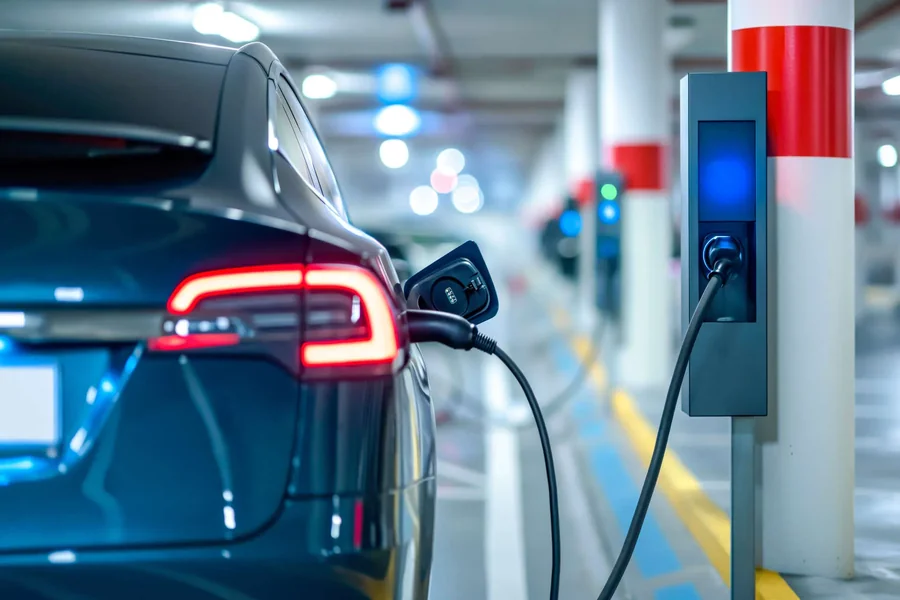
Imagine two similar office buildings. One has a standard parking lot. The other offers sleek, modern electric vehicle charging stations. For a prospective tenant or buyer, the choice is clear. The property with EV charging feels current, responsible, and convenient. This is the new reality in commercial real estate.
An EV charging contractor does more than install hardware. This partner becomes a key ally in boosting property value and ensuring legal compliance. Their work directly impacts a building’s appeal, its revenue potential, and its standing in the community.
Property Value Rises with Modern Amenities
Commercial properties compete on the amenities they offer. EV charging stations have shifted from a novelty to a necessity. They signal a forward-thinking management team. Tenants, especially large corporations, now include EV infrastructure in their leasing criteria. A property with ready-to-use stations attracts these high-quality tenants. This increased demand allows property owners to command higher lease rates. It also reduces tenant turnover. People stay where they have convenient access to charging. Furthermore, these stations enhance the overall perception of the property. They position it as a premium, tech-enabled asset.
Compliance with Regulations Becomes Simpler
Laws about EV readiness evolve quickly. Many cities and states now mandate that a percentage of parking spaces have charging capability. These rules apply to new constructions and major renovations. An experienced EV charging contractor stays current with these codes. They guide the property owner through local, state, and federal requirements. This knowledge prevents costly mistakes and project delays. The contractor handles the complex permit process. They ensure the installation meets all electrical and building permits.
Operational Efficiency and New Revenue Streams
A well-planned EV charging system improves property operations. A contractor designs a layout that maximizes space and electrical capacity. They recommend reliable equipment to minimize maintenance issues. Smart charging stations provide remote management capabilities. Property managers can monitor use, set fees, and troubleshoot problems from a computer. This operational ease is a major benefit. Moreover, these stations create a direct revenue source. Properties can set fees for public or visitor charging.
Sustainability Goals Attract a Broader Market
Environmental responsibility is a core value for many businesses. A commercial property with EV charging stations demonstrates a commitment to sustainability. This action appeals to a specific and growing market segment. Companies with corporate sustainability mandates seek out such properties. They want to reduce their carbon footprint for employees and clients. The presence of chargers supports these corporate goals. It also improves the property’s public image within the community. It shows leadership in environmental stewardship. This green credential can be a decisive factor for tenants.
Read More: 6 Essential Facts Sacramento Jeep Buyers Should Know About Electric Jeeps
The Right Contractor Makes the Difference
A successful project depends on the chosen partner. A qualified contractor offers more than installation. They provide a full service from initial site assessment to long-term support. They evaluate the electrical service to ensure it can handle the added load. They advise on the optimal number and type of chargers. Their expertise covers equipment selection, software choices, and user access models. They manage the entire installation with minimal disruption. After completion, they remain available for service and upgrades.
The value of a commercial property is tied to its adaptability. EV charging stations are a powerful tool for enhancement. An expert EV charging contractor is essential to unlock these benefits. Their guidance turns a simple installation into a strategic upgrade. For commercial property owners, the decision is straightforward.