How to Choose the Best Kitchen Weighing Scale for Accurate Cooking and Baking
Cooking and baking are as much a science as they are an art. Whether you’re a home cook or a professional chef, achieving perfect consistency in recipes comes down to one thing for accurate measurements. This is where a kitchen weighing scale becomes your most reliable companion. It eliminates the guesswork of measuring ingredients and ensures every recipe turns out just right. In this article, we’ll guide you through how to choose the best kitchen weighing scale for your cooking and baking needs.
Why a Kitchen Weighing Scale Is Essential
Using measuring cups may seem convenient, but they often lead to inaccuracies. Flour, sugar, and other ingredients can settle or compact differently, throwing off the balance of your recipe. A kitchen weighing scale, on the other hand, measures ingredients by weight, ensuring precise proportions every time.
With a good scale, you can:
- Improve consistency in your cooking and baking.
- Reduce waste by measuring exactly what you need.
- Simplify portion control and calorie tracking.
- Follow international recipes with ease, especially those using grams or ounces.
Accuracy isn’t just for professionals, it’s what turns good recipes into great ones.
Types of Kitchen Weighing Scales
Before buying, it’s important to know the different types of kitchen weighing scales available and what they offer.
1. Mechanical (Analog) Kitchen Scales
These traditional scales use a spring mechanism to measure weight. The reading appears on a dial when the ingredient is placed on the platform.
Pros:
- No need for batteries.
- Durable and simple to use.
Cons:
- Less precise compared to digital models.
- Harder to read small measurements.
2. Digital Kitchen Scales
These are the most popular option today. Digital scales use sensors to provide highly accurate readings on an LCD screen.
Pros:
- Precise and easy to read.
- Compact and modern design.
- Often include features like tare function and unit conversion.
Cons:
- Require batteries.
- Can malfunction if exposed to moisture.
3. Smart Kitchen Scales
The newest innovation in weighing technology, smart kitchen scales connect to mobile apps via Bluetooth or Wi-Fi. They can calculate nutrition, store recipes, and guide you through meal prep.
Pros:
- Track calories and macronutrients.
- Integrate with fitness and diet apps.
Cons:
- More expensive.
- Requires smartphone connectivity.
Key Features to Look for in a Kitchen Weighing Scale
When choosing the best kitchen weighing scale, consider the following features to ensure accuracy, durability, and ease of use.
1. Accuracy and Capacity
Look for a scale with high precision — ideally measuring in increments of 1 gram or 0.1 ounce. For most cooking tasks, a capacity of 5 to 10 kilograms (11 to 22 pounds) is sufficient. If you frequently bake large batches, opt for a higher capacity scale.
2. Tare Function
This feature lets you reset the scale to zero after placing a bowl or container, allowing you to measure only the ingredients inside. It saves time and keeps your workspace clean.
3. Unit Conversion
Choose a kitchen weighing scale that can easily switch between grams, ounces, pounds, and milliliters. This is particularly useful for following international recipes.
4. Display and Readability
A bright, backlit digital display ensures you can read the measurements easily, even in dimly lit kitchens. Large digits are also a plus for quick readability.
5. Platform Size and Material
A stainless-steel platform is ideal for it’s durable, easy to clean, and resists stains and odors. Make sure the platform is large enough to accommodate your mixing bowls and containers.
6. Auto Shut-Off and Battery Life
To save energy, most digital scales include an auto shut-off feature. Opt for models with long-lasting batteries or USB recharging for convenience.
7. Waterproof or Splash-Resistant Design
Kitchen environments can be messy. A waterproof or splash-resistant kitchen weighing scale ensures longevity and hassle-free maintenance.
8. Additional Features
Some high-end models include timers, temperature sensors, or connectivity with recipe apps — great for tech-savvy home cooks.
Tips for Using a Kitchen Weighing Scale Effectively
To get the most accurate results, follow these simple tips:
- Always place the scale on a flat, stable surface.
- Avoid using the scale on soft or uneven countertops.
- Use the tare function for each ingredient added.
- Keep the scale clean and dry after each use.
- Recalibrate periodically if your model allows it.
With proper care and use, your scale can last for years and deliver consistent, reliable measurements.
Best Models to Consider
When it comes to choosing high-quality kitchen scales, several models have earned a reputation for reliability and precision:
- Digital pocket scale – SISCO-KS-001-B compact and affordable with easy unit conversion.
- Stainless steel kitchen scale – Sleek stainless-steel design with excellent accuracy.
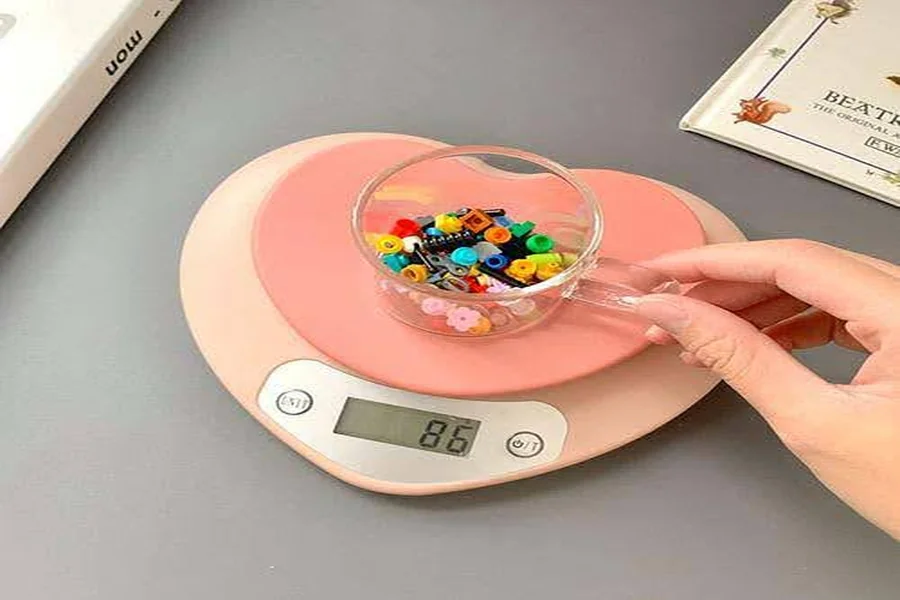
- Super cute heart kitchen weighing scale – SISCO-KS-550 features a pink heart shape to make the user feel happy.
- Digital spoon scale – Simple, durable, and ideal for everyday kitchen use.
- Smart nutrition scale – Syncs with mobile apps to track calories and macros.
These models offer a range of options for both beginner cooks and professional chefs alike.
Benefits of Owning a Kitchen Weighing Scale
A kitchen weighing scale isn’t just for measuring flour or sugar. It transforms how you cook and bake:
- Precision: Eliminate guesswork and get perfect results every time.
- Efficiency: Speed up prep time by measuring ingredients directly into your mixing bowl.
- Health: Manage portion sizes and nutritional intake with accurate food measurements.
- Cleanliness: Less mess since you won’t need multiple measuring cups and spoons.
Investing in a reliable scale pays off in better food, less waste, and more consistent results.
Conclusion
Choosing the best kitchen scale can make a world of difference in your cooking and baking. From ensuring precise ingredient measurements to simplifying meal prep, it’s an essential tool for any modern kitchen. Look for accuracy, durability, and ease of use — and don’t overlook useful features like tare function and unit conversion. With the right scale, every recipe you prepare can be a guaranteed success.