How to Create a More Intentional Self-Care Ritual With Home Sauna Heat, Rest, and Recovery
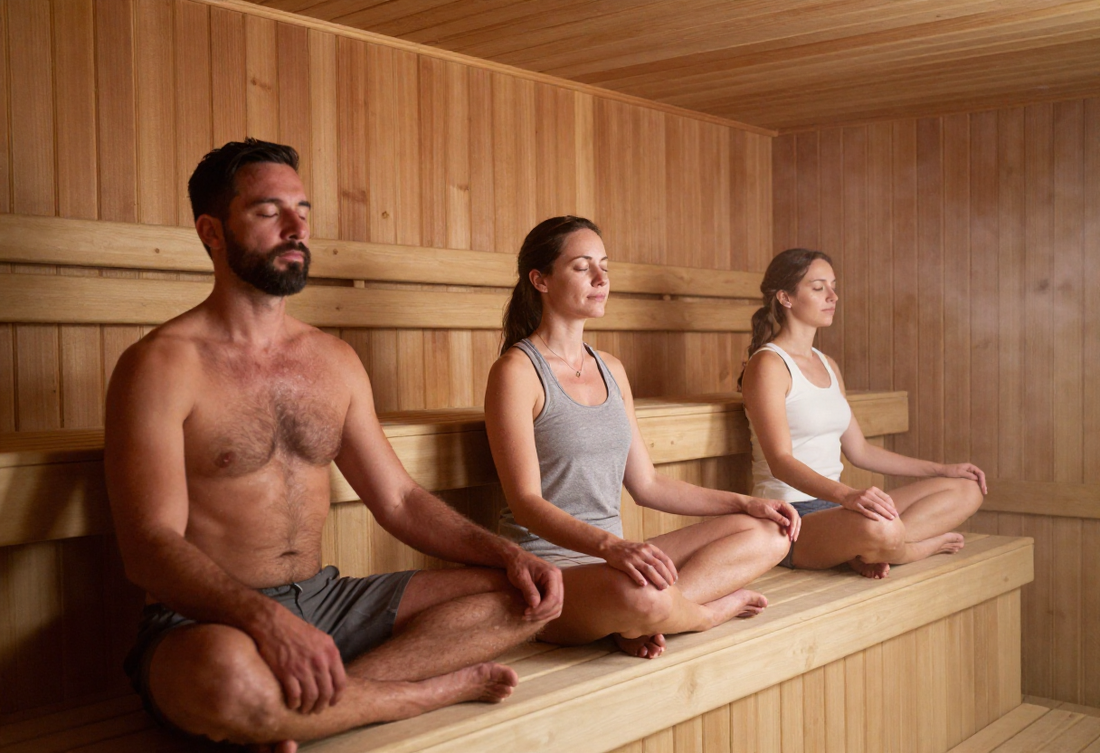
The idea of self-care has become so broad that it often loses any clear meaning. At this point, the term gets attached to everything from face masks to productivity hacks to expensive brunches where everyone claims to be “recharging” while checking emails over pancakes. But underneath all the trends and marketing, the original idea is still the one worth keeping: doing things that genuinely help the body and mind recover instead of simply distracting yourself long enough to make it to Monday.
At its core, that idea comes down to heat, rest, and recovery. These are not the kinds of habits that look exciting or attract much attention online. But when practiced consistently, they can make a noticeable difference in sleep, stress, mood, and overall physical recovery over time.
This is where a sauna naturally earns its place. When it is properly built and paired with a reliable sauna heater, heat stops being random and becomes something deliberate and controlled. The steady warmth helps improve circulation, relax muscles, and gently tells the body to stop acting like it is permanently in emergency mode. Over time, what once felt like an occasional luxury can turn into a regular recovery habit that your body actually starts expecting.
Why Intentional Beats Occasional
There’s a clear difference between the occasional restorative treat and actually building it into your routine. A massage once a year feels pleasant enough — basically a surprise bonus for surviving 12 months. A weekly wind-down with heat and deliberate rest, on the other hand, quietly rewrites your normal setting until your stress starts wondering why it’s suddenly on the waitlist.
The body is an excellent student of repetition and quickly gets used to whatever you keep putting it through. Regular heat exposure has been associated with better heart health, improved recovery, and steadier stress regulation, but the real benefits show up through consistent practice, not the occasional “treat yourself” session that happens once in a blue moon.
The same is true for sleep consistency and active recovery practices. Doing them once produces temporary relief. Doing them regularly produces a different version of your baseline health.
Intentionality matters because routines help signal the nervous system that it is time to relax. Doing the same sequence at the same time, in the same setting, with familiar cues helps your body begin winding down even before the routine starts. That kind of built-in “automatic mode” is something you just don’t get from the occasional self-care session.
Heat: The Foundation of Physical Recovery
Heat therapy is basically one of humanity’s oldest “life hacks,” and modern science keeps showing that our ancestors weren’t just sitting in hot rooms for fun. Regular sauna use, in particular, has been linked to lower cortisol (your stress hormones finally taking a seat), better heart health, and easier sleep onset — benefits that quietly build up over weeks and months, like a wellness interest account that actually pays off.
The mechanism is pretty simple. Heat turns up your body temperature a bit, gets your blood moving, and then the cooling phase afterward quietly steps in like, “Alright, that’s enough activity for today.” As your core temperature drops after the heat, your body reads it as one of its most reliable cues that it’s time to wind down and drift into sleep mode.
A home sauna makes this practical. Rather than scheduling a trip to a gym or spa around other commitments, heat therapy becomes available on its own schedule. That accessibility is what converts an occasional treat into a consistent ritual. In that setup, the quality of the heater matters more than people often expect.
Modern options such as a HUUM electric sauna heater are built to provide steady, even heat while still preserving the classic stone-based sauna experience. The result is a session that feels far more consistent and predictable, instead of turning into an accidental experiment in temperature management every time you step inside.
Infrared saunas operate at gentler temperatures than traditional Finnish-style setups, which makes them a friendlier option for anyone whose relationship with extreme heat is still in the “getting to know each other” stage. Many people searching for the best infrared sauna for home use focus on practical benefits such as energy efficiency, minimal maintenance, and the ability to use it regularly without feeling completely roasted afterward.
Traditional saunas turn the heat up properly and let you pour water over hot stones to create steam, which is a surprisingly enjoyable way to feel both relaxed and lightly cooked at the same time. Many people love the full experience because after a few minutes, your stress leaves the room faster than your willpower near a dessert table.
Traditional and modern saunas both have their strengths, and with regular use, both can deliver the core benefits of heat therapy without requiring you to climb a mountain and meditate for six hours.
For those without a dedicated sauna space, a long hot bath with Epsom salts is basically the budget-friendly “close enough” version of the same experience. It may not make you feel like a Nordic wellness expert, but it still does a solid job relaxing muscles, calming the body, and preparing you for sleep while you sit there pretending the bathroom is a luxury spa instead of the only quiet room in the house.
Rest: What It Actually Requires
Rest isn’t simply the absence of activity. It’s a deliberate state that depends on the right conditions for real recovery to happen, yet most people rarely set those conditions on purpose. As a result, what gets called “rest” often ends up being just a quieter form of being busy rather than actual restoration.
The body does not automatically jump from high-alert mode to relaxation just because movement stops. That shift does not happen on its own. The body needs very clear signals before it agrees to relax: dimmer lights, cooler temperatures, fewer distractions, and some kind of wind-down routine that basically tells the nervous system, “Good news, nobody is chasing us anymore.” Without those cues, the brain has a remarkable ability to stay fully alert at midnight while simultaneously being too tired to function properly the next morning.
A few practices that reliably support genuine rest:
- Consistent sleep and wake times: The circadian rhythm thrives on predictability and gets very unimpressed by your weekend “just this once” plans. Going to bed and waking up at the same time every day, including weekends, does more for sleep quality than most supplements and trendy sleep hacks promising to “transform your life” in three business days. Apparently, the body prefers consistency over chaos, which is unfortunate news for anyone treating bedtime as a random daily suggestion.
- Reducing screen exposure before bed: Blue light has a sneaky way of convincing your brain that it is somehow still the middle of the afternoon, even when your body is begging for sleep. Switching to dim, warm lighting before bed is a simple way to tell your system that the day is officially over and no further debates, emails, or unnecessary scrolling will be accepted tonight.
- Temperature: The body sleeps best when it is slightly cool, not comfortably confused. A warm-to-cool transition from heat exposure or a cooler room creates the kind of temperature shift that nudges the system toward sleep without much resistance.
- Journaling or reflection: The mind has an incredible talent for showing up at bedtime with unfinished business, random memories from 2014, and a full collection of emotional pop-up notifications. Spending even five minutes writing things down helps clear out that mental backlog so your brain stops holding emergency staff meetings at 2 AM when everyone else is trying to sleep.
- Limiting stimulants after midday: Caffeine has a much longer memory than most people realize and can stay active in the system for hours after that “quick afternoon cup.” By bedtime, it may still be quietly hanging around in the background, convincing your brain that now would actually be a fantastic time to rethink your entire life instead of going to sleep.
There’s nothing unfamiliar here. The challenge is treating them seriously enough to actually prioritize them, rather than defaulting to another hour of scrolling.
Recovery: The Part Most People Skip
Recovery happens in the spaces between all the things trying to wear you out, whether that’s brutal workouts, marathon workdays, or stress that behaves as if it pays rent in your nervous system. It is also not just about sleeping and crossing your fingers for a miracle by morning. Real recovery means actually helping your body deal with inflammation, muscle tension, and nervous system overload so it can reset properly instead of waking up the next day held together by caffeine and determination.
Contrast therapy has become popular in wellness and performance circles because it basically turns your circulatory system into a highly motivated employee. Moving from a hot sauna into a cold shower or plunge sends your blood vessels on a full emotional roller coaster. They open up in the heat, snap tight in the cold, and somehow help circulation, recovery, and inflammation management all at the same time.
Mentally, the experience is just as unforgettable, mainly because your brain spends the first few seconds questioning every decision that led you into freezing water before suddenly feeling weirdly refreshed afterward. It starts with the kind of alertness usually reserved for accidentally reading an alarming email at midnight, then somehow ends with a deep, clear-headed calm that makes the whole temperature swing feel strangely worth it.
Warm muscles are much easier to work with than stiff, cold ones that behave as though every stretch requires legal review and advance notice. That’s why mobility work after a sauna session or hot bath usually feels smoother, deeper, and far less dramatic than trying to stretch a cold body that clearly wants no part of the situation.
Even a quick ten-minute session after heat exposure takes advantage of that rare window when the body stops arguing and finally agrees to move properly.
Magnesium taken as a supplement supports muscle relaxation and sleep quality by regulating the nervous system. While Epsom salt soaks provide excellent muscle relief through heat therapy, magnesium is best corrected through diet or supplements, as it is one of the minerals most often lacking in modern diets. Low levels are linked to poor sleep and increased muscle tension, both of which a recovery routine is meant to improve.
Building the Ritual
The most effective self-care rituals all share a simple trait: they still work on the days when everything feels slightly chaotic. If a routine only functions under ideal conditions, it’s less a habit and more a luxury exhibit — admired briefly, then ignored the moment life gets loud.
A good place to start is pretty straightforward: spend 20–30 minutes in heat three to four evenings a week, take a cool shower afterward, do about 10 minutes of light stretching, and stick to a simple wind-down routine before bed. That’s really all there is to it. Stick with it for a few weeks, and you’ll probably notice better sleep, lower stress levels, and a body that no longer responds to minor inconveniences as though it has been personally betrayed.
If you’re setting up or fine-tuning a home sauna, resources like SaunaHeaters.com can make it a lot easier to figure out the right equipment so the whole routine stays simple and easy to stick with.