How to Spot Hidden Winter Roof Leaks Before They Become a Disaster
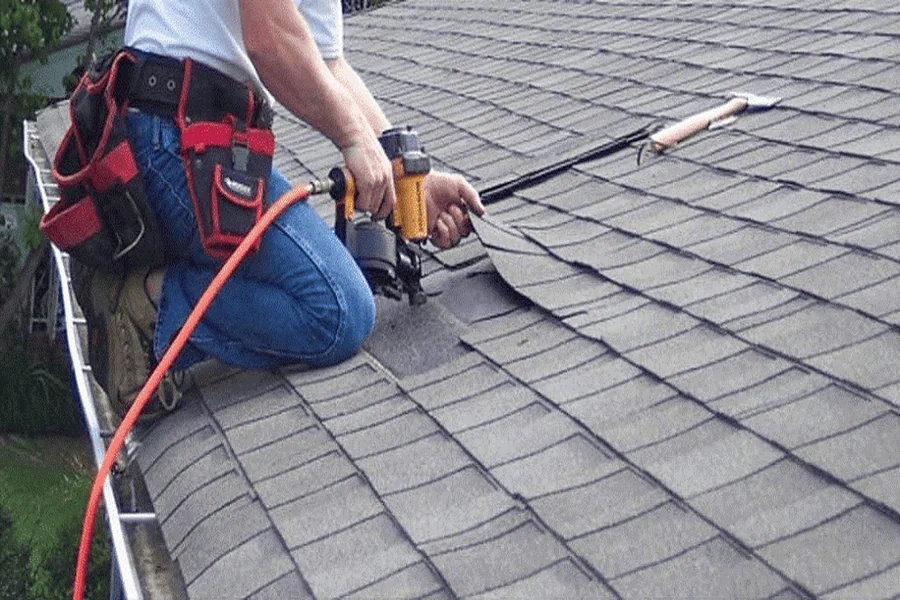
Roof leaks are a common problem during winter, as heavy snow leads to significant water melting. The combination of ice and snow also has the potential to trap moisture and damage the shingles, creating the perfect opportunity for leaks. The problem is that when there’s a layer of snow on the roof, you can’t always see the source of the problem clearly.
The good news is that you can spot a hidden leak in the roof by paying careful attention to your house. Finding these leaks early can save costly repairs in the long run. Read this article to learn some tips that save you thousands of dollars.
Hidden Signs that Suggest Winter Roof Leaks
Even when the damage is not visible, there are certain signs that tell you there’s a leak somewhere. Expert roofers conducting a roof inspection will point them out, but here’s how to find those leaks yourself:
1. Water Stains and Discoloration
More often than not, you can spot a hidden leak in the roof when you see a water stain on your walls or ceiling. It generally looks like a faint yellow or brownish patch that gets bigger with time. The spot looks dry most time, but it gets particularly wet after a snowstorm or rain. Freeze-thaw cycles also cause the spots to activate.
2. Damp or Musty Odors in Attic
When there’s a leak in the roof, moisture tends to get trapped in the walls or the insulation. Even if there’s no mold, you can usually smell it the moment you step into the space. The smell also becomes quite persistent when the snow enters the thaw phase.
3. Bubbling or Peeling Paint
When leaks send moisture into the wall, it often tries to come out underneath the paint, pushing it outward. This could cause bubbles or peeling as its hold over the wall is compromised. This may indicate there’s a hidden leak in that specific area of the roof that needs addressing.
4. Humidity Spikes
Philadelphia has an average humidity level of 68% during December, and it’s likely to grow slightly as we step into January. These levels tend to be lower indoors, as good insulation and maintenance keep the humidity out.
If you notice a sharp spike in your indoor humidity, chances are that your home is letting moisture inside from somewhere and circulates it through the HVAC system. The usual suspect for that is the roof.
5. Visible Mold Spots
Mold spots in your home, especially in the ceiling line or at the top of the wall, suggest there could be a leak somewhere. If there’s a spot where water seeps through the roof, it goes down the internal walls and traps moisture there. This could lead to green or black mold patches. If the mold is also in your attic, chances are that a leak in the roof caused it.
6. Compressed or Wet Insulation
Insulation, regardless of its type, behaves like a sponge when there’s water leaking into it. If a certain spot looks darker, heavier, or pressed down compared to the rest of your insulation, you may have a roof leak on your hands. Use a gloved hand to press gently if you have visible insulation in the attic; you should be able to feel the difference.
Tools to Use for Effective Leak Spotting
Routine checks help you spot a leak by looking at the visible signs in the house. That said, we live in an era of technology, and the right device makes matters easier. Use these tools to spot a leak in its early stages:
- A moisture meter looks for excess moisture in areas that otherwise look dry.
- Infrared cameras show temperature shifts on a screen. Cold spots in a commonly warm area suggest poor insulation or leaks.
- An LED Flashlight lets you see wet stains, cracks, or gaps in areas with poor visibility.
Roofers usually have these tools, so don’t hesitate to call for professional help. Someone with experience could catch these problems with a single glance.
Final Thoughts
Winter roof leaks are as silent as they are disastrous. Most homeowners don’t even notice them until it’s too late. Yearly inspections and good maintenance save you thousands of dollars in roof repairs, since they spot leaks early.