How Unlikely Vending Machines Are Quietly Powering Communities
Introduction
If you close your eyes and picture a vending machine, chances are you imagine the classics: a cold soda on a hot day, a candy bar when you need a sugar boost, or a bag of chips to tide you over between meals. For decades, vending machines in the United States were synonymous with snacks, quick drinks, and little else. But that image is now outdated. Across neighborhoods, campuses, hospitals, and even libraries, vending machines are transforming into something bigger: engines of community empowerment.
What was once a convenient box in the corner of a breakroom is becoming a tool for social good, bridging gaps where storefronts, pantries, and even public services fall short. From distributing fresh food in underserved neighborhoods to providing free books for children, vending machines are proving that retail convenience can be repurposed into something far more meaningful. They are reshaping the way communities access resources, doing so in ways that are both surprising and inspiring.
The New Face of Vending Machines in America
The vending machines of today are not your grandfather’s snack dispensers. They are sleek, smart, and versatile. Some use touchscreen displays and accept digital payments, while others are built specifically for community initiatives like free food access or literacy programs. What’s fascinating is the variety of what’s inside. While traditional machines still churn out candy and soda, community-focused vending machines stock healthier options, essential supplies, and even entertainment or education materials.
Nonprofits, schools, city governments, and private businesses are reimagining how vending can serve the public. They recognize that a vending machine is essentially a miniature storefront, but one without high rent, staffing requirements, or restrictive hours. It is accessible twenty-four hours a day, seven days a week, making it ideal for people who don’t have the luxury of shopping during traditional business hours.
And as this movement expands, the types of items found inside continue to surprise.
From Books to Fresh Food: The Unlikely Inventory
The diversity of products offered through community vending machines is astounding. In cities like Cleveland, Detroit, and Washington D.C., you can find vending machines stocked with free children’s books. These machines are placed in libraries, schools, and community centers, giving kids the chance to build their own libraries at home without cost. The idea is simple yet profound: if you want to nurture a love of reading, you must first put books into children’s hands.
Food insecurity has also become a significant area where vending machines are making a notable impact. In neighborhoods classified as “food deserts,” where grocery stores are scarce, vending machines stocked with healthy, affordable meals have become lifelines. Some machines are filled with fresh salads, sandwiches, and fruit, while others focus on non perishable vending machine products like canned goods, granola bars, peanut butter, and shelf-stable milk. These products can sustain individuals and families who might otherwise go hungry when stores are closed or out of reach.
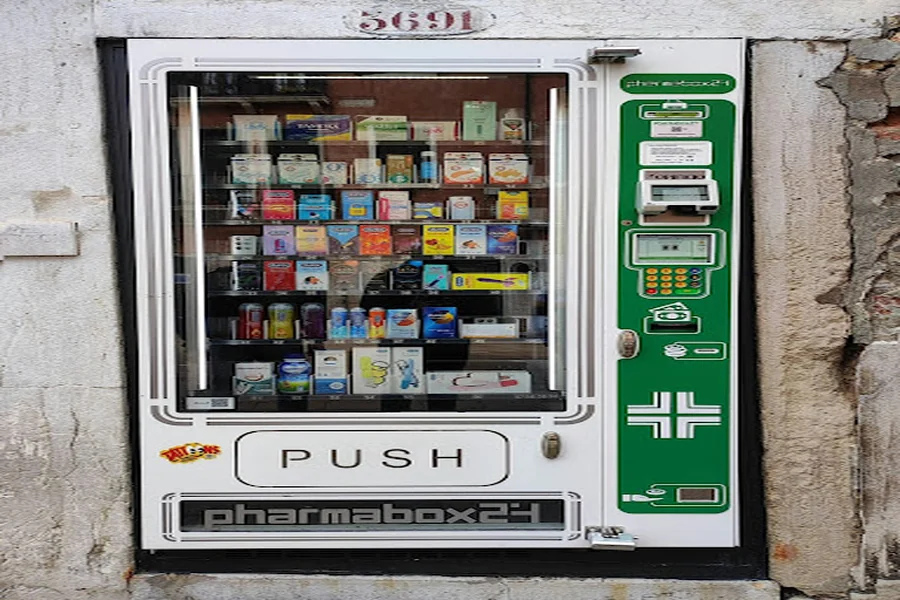
Hospitals have also joined the movement. Instead of only offering sugary snacks in waiting areas, some hospitals now provide vending machines filled with health essentials, from masks and sanitizer to electrolyte drinks and over-the-counter medications. It’s a way of ensuring patients and visitors have what they need, even outside of pharmacy hours.
Even universities are getting creative. On many campuses, vending machines are filled with free menstrual products, allowing students access to hygiene supplies at all hours. Some schools stock machines with STEM kits, art supplies, or nutritious snacks to keep students engaged and nourished.
Why Vending Machines Work Where Storefronts Don’t
The magic of vending machines in community empowerment lies in their efficiency. A storefront requires staff, security, and substantial financial investment. But a vending machine requires minimal upkeep. Once stocked, it can serve hundreds of people before needing attention again. This makes it an ideal solution for communities with limited resources.
For nonprofits, vending machines can act as scalable distribution points. Instead of relying on volunteers to run food pantries or literacy events, organizations can place vending machines in strategic locations and let them do the work. For cities, vending machines offer a way to serve residents equitably, ensuring that access to books, food, or essential supplies isn’t dictated by geography or opening hours.
And for individuals, vending machines offer dignity. Instead of standing in line for a handout, people can simply walk up, make a selection, and walk away with what they need—just like any other customer. The experience feels empowering rather than stigmatizing.
The Rise of Non-Perishable Vending Machine Products
Among the innovations making this shift possible is the rise of non-perishable vending machine products. These are items that can withstand the heat, cold, and time without spoiling, making them perfect for long-term stocking. In communities where restocking may not happen daily, non-perishable goods ensure that machines remain reliable sources of support.
Think about peanut butter, trail mix, canned soup, protein bars, or shelf-stable juices. These items are not only nutritious but also versatile and filling. They can feed a child before school, sustain a worker during a long shift, or serve as emergency meals when money is tight. The beauty of non-perishable vending machine products is that they bridge the gap between convenience and necessity. They turn vending machines into safety nets.
Cities have begun integrating these machines into public service programs. For example, certain nonprofit organizations in the US distribute cards that families can use to “purchase” food from vending machines at no cost. Instead of waiting in line at a food pantry, parents can grab dinner from a machine in their apartment lobby or community center. The products, often non-perishable, ensure that even if fresh food isn’t available, families won’t go to bed hungry.
The Technology Behind the Transformation
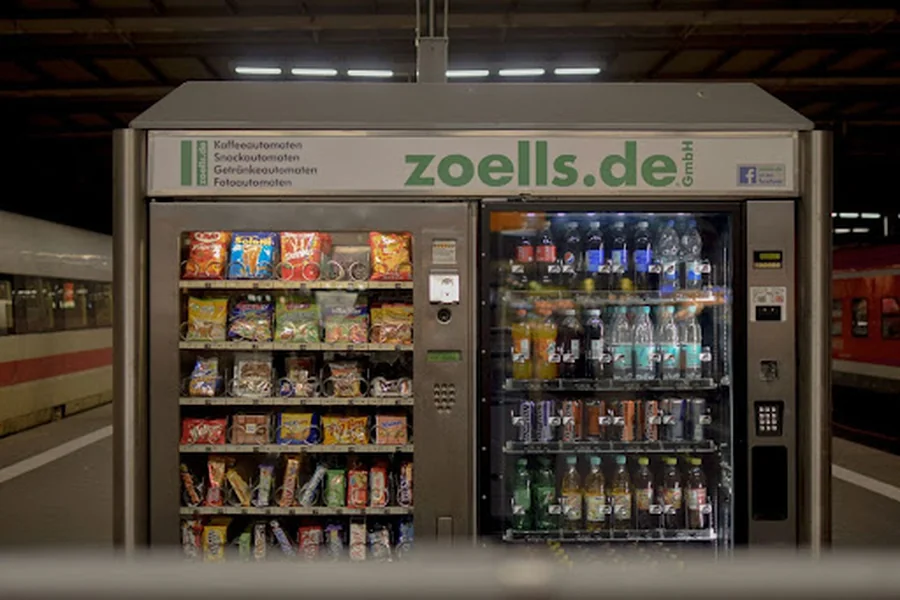
Of course, this revolution wouldn’t be possible without technology. Today’s machines are smart. They are connected to the internet, which allows operators to monitor stock levels, track usage, and respond quickly to demand. If one product is flying off the shelves, it can be reordered and restocked within hours. If another sits untouched, it can be replaced with something more useful.
Cashless payment systems make the machines more accessible. In addition to coins and bills, many accept credit cards, debit cards, and mobile wallets. For nonprofits, voucher systems or prepaid cards can be distributed to families, ensuring equity without requiring staff to manage handouts.
Some machines even integrate with apps, allowing users to check what’s inside before visiting. For a mother wondering if a community vending machine has baby formula or non-perishable food, that information can be a game-changer.
Community Partnerships Driving Change
The growth of community vending machines in the US isn’t happening in isolation. It’s the result of collaboration between nonprofits, schools, libraries, city governments, and private companies. Corporations like JetBlue and Delta have sponsored book vending machines for children in underserved areas. Health organizations have supported machines stocked with personal protective equipment during the pandemic. Universities have worked with student groups to install vending machines offering free menstrual products.
These partnerships ensure sustainability. Machines are funded, stocked, and maintained by a network of stakeholders invested in community well-being. For residents, the machines aren’t just convenient—they are symbols of care and investment from their community.
The Future: More Than Just a Machine
The future of vending machines in community spaces is wide open. Imagine neighborhoods where vending machines serve as twenty-four-hour resource hubs, stocked not only with food and books but also with first aid kits, school supplies, diapers, or even job application forms. Picture a world where no child goes without a book, no family goes hungry, and no student is embarrassed by a lack of access to hygiene products—because a vending machine is always there, quietly waiting to serve.
The key will continue to be the thoughtful mix of products. Fresh food is valuable, but it requires constant restocking. Non-perishable vending machine products provide stability, ensuring that no matter what, there is always something to eat, something to use, or something to learn from. The combination of fresh and non-perishable goods will make these machines sustainable long-term.
Conclusion: Quiet Power, Profound Impact
The beauty of this movement lies in its simplicity. Vending machines aren’t flashy, and they don’t grab headlines like massive development projects or sweeping policy changes. They stand quietly in corners, humming along, dispensing books, food, and dignity. Yet their impact is profound. They fill the spaces where traditional storefronts, libraries, or services fall short. They do it efficiently, affordably, and with surprising warmth.
From library books to lunchbox staples, vending machines are proving that small innovations can have enormous ripple effects. They empower communities by meeting people where they are, when they need it most. And as technology advances and partnerships deepen, their potential to reshape public access will only grow.
The next time you walk past a vending machine, don’t just think of candy bars or sodas. Think of the child taking home their very first book. Think of the parent who finds dinner for their family late at night. Think of the student who discovers that essentials are available, free of stigma, behind a glass door. That is the quiet power of vending machines—and it is nothing short of revolutionary.