SEER Rating Explained: How It Affects Your Energy Bills
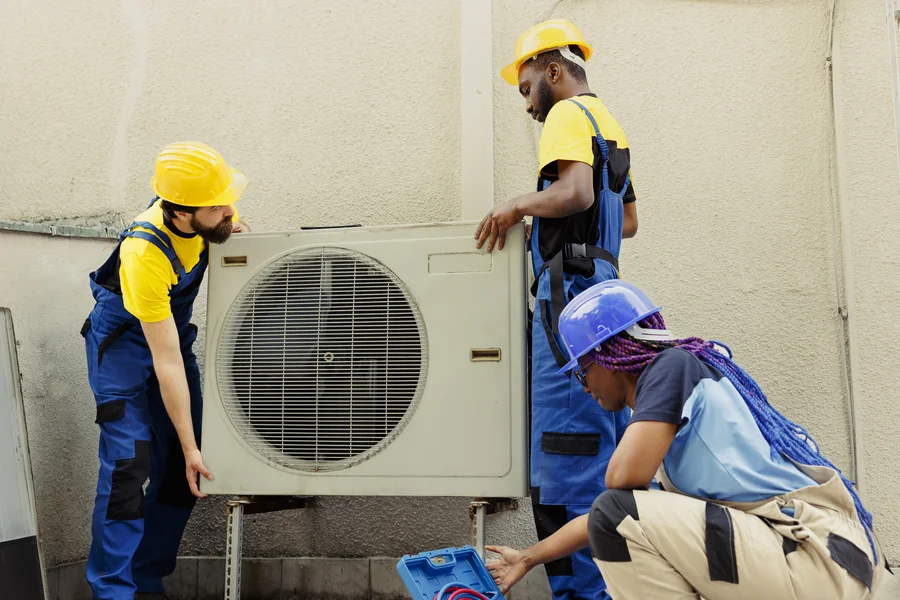
“Team replacing old air conditioner.” – Image | FreePik
Even while your air conditioner appears to be operating efficiently, your growing electrical costs indicate otherwise. A significant amount of a home’s electricity consumption can be attributed to the use of an HVAC (heating, ventilation, and air conditioning) system. According to Forbes, efficiency ratings of HVAC systems directly affect what homeowners pay when using them.
The SEER rating should be one of the first things you look at if you’re thinking about getting a new HVAC system. This helps you make smart choices based on more than just the cost of the system. It also makes you think about how much it will cost to run. You can chat with a heating and air specialist in Raleigh to help you decide on the size, projected energy use, and installation costs of your heating and air system before you buy it.
What Is a SEER Rating
Its acronym is SEER, which stands for Seasonal Efficiency Ratio. It displays the cooling capacity and energy consumption of your HVAC system.
You may learn a lot about your HVAC system’s efficiency in cooling your home with less power consumption from its rating. Assuming all other factors stay the same, this example shows that a 20 SEER HVAC system will use less power than a 14 SEER system, all else being equal.
varying parts of the country have varying minimum efficiency standards. Newer units usually have higher SEER ratings than older ones. This means that even though you have to pay more up front to update an old system to one with a higher SEER rating, you can save money in the long term.
How SEER Impacts Energy Consumption
Your HVAC’s SEER rating directly impacts your energy consumption and overall HVAC energy savings. A higher rating means less energy is needed to cool or heat your home.
In practice, this can mean:
- Lower monthly energy bills
- More savings accumulation over the years of use
- Greater comfort with efficient operation
However, efficiency depends on more than just SEER.
It is also affected by:
- Home insulation quality
- Duct condition and airflow balance
- Thermostat settings and habits
- Installation quality
Your HVAC system may not work as well if it is too big since it may short-cycle. But if it’s not enough, it can run all the time and not cool the room adequately. It’s important to know the load so that the system can keep your home cool.
SEER and HVAC System Types
Not all systems have the same efficiency ranges.
Central air conditioners
Most traditional central air-conditioning systems come with SEER ratings ranging from the mid-teens to the low 20s.
Heat pumps
These systems provide both cooling and heating. Their cooling efficiency also uses SEER as a comparison metric.
Ductless mini-splits
Mini-splits usually have higher SEER ratings and are an excellent solution for homes that don’t have ducting or for cooling specific areas.
You need to find a system that works well, costs a lot to install, and fits with the design of your home.
Cost vs Efficiency Trade-Off
A high SEER rating also means that the system may come with a higher price tag.
Factors to take into consideration are:
- Estimated upfront system cost
- Projected operating savings
- Local electricity rates
- Typical cooling usage
If you use your HVAC for many hours each day, a system with a higher SEER rating will pay off sooner than if you only use the system sporadically.
Choosing the Right SEER Rating for Your Home

“Woman and cat lying on a blanket next to AC.” – Image | FreePik
When picking a new HVAC system, think about how much it will cost to run, the weather in your area, and how you will use it. Then, compare these things to the expense of putting it in. An expert can help you find the ideal answer for you if you chat with them.
Read Also: How Branded Casual Sports Shoes Elevate Kids’ Streetstyle Fashion with Comfort and Flair
Maintenance Tips to Preserve SEER Efficiency
No matter how good a system is, it won’t work well if you don’t take care of it. Regular HVAC maintenance will help the system function at SEER levels and make it last longer.
The best approach to keep a system running is to:
- Change filters regularly
- Clean outdoor units of debris
- Schedule annual professional maintenance
- Monitor system performance for irregularities
These steps will ensure your investment is well taken care of and minimise energy costs.
In Conclusion
If you understand what SEER ratings represent, you may make better selections that fit your needs and end up saving money. Lower energy consumption and operating costs are the result of a system with a higher SEER rating.
If you want to save energy, one method to do so is to have an HVAC system with a high SEER rating. When establishing standards for energy-efficient air conditioners, the SEER rating is a key factor considered by the United States Department of Energy.
If you want to talk to an expert about upgrading your system, make an appointment with Comfort Monster now.