Spending Crypto in Real Life: A Guide to Crypto Lifestyle in 2026
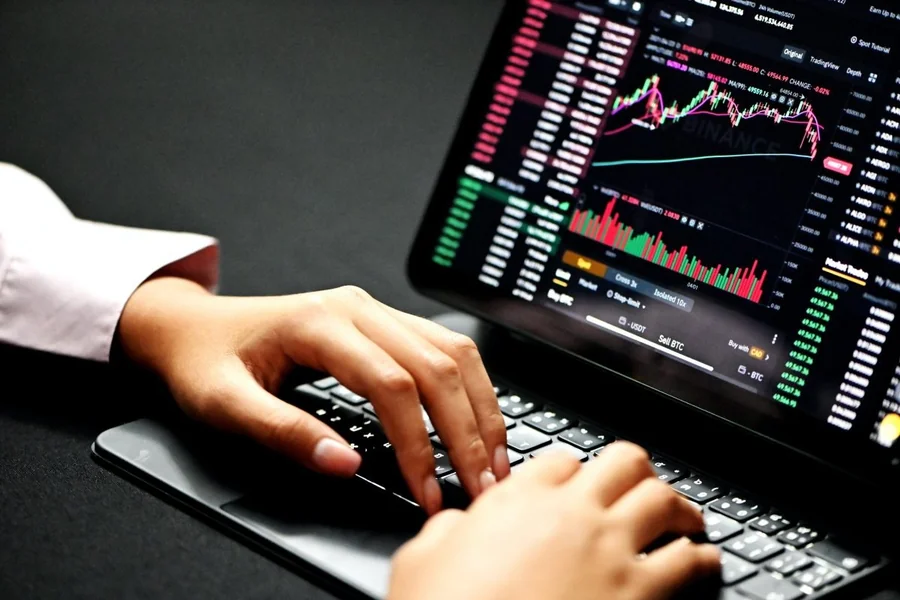
The use of crypto in the real life has moved beyond a niche idea to a viable way of life in 2026. What used to be a futuristic thought process has become a normal routine of millions of users around the world. Cryptocurrencies are no longer a tool used to invest but rather they are emerging as usable currencies, whether it happens via purchasing groceries or even when booking flights.
Greater acceptance among merchants, better infrastructure and easy to use platforms are the drivers behind this transformation. Credit cards and seamless wallets are crypto debit cards, and payment gateways have eliminated several barriers that previously complicated crypto spending.
Simultaneously, users are growing more at ease with holding digital assets on a long-term basis. Rather than all the things becoming fiat, individuals now have the ability to use their crypto balances to directly pay services and goods. This movement is an indicator of a wider change in the way people view and use money in their daily lives.
How Crypto Payments Work in 2026
The way crypto payments operate today can give one an insight into why things are picking up. Simply stated, crypto expenditure refers to the transformation of digital assets into practical value at the point of purchase.
There are several common methods people use:
- Crypto Debit Cards: These allow users to spend crypto like traditional money. The system automatically converts crypto into fiat during transactions.
- Direct Wallet Payments: Some merchants accept crypto directly, enabling peer-to-peer transactions without intermediaries.
- Payment Apps and Gateways: Integrated platforms make it easy to scan, pay, and confirm transactions within seconds.
These systems also contain intricate procedures like price conversion, transaction validation, and security checks, among others, which happen behind the scenes. But it is getting simpler to use by users, sometimes no more complicated than a standard bank card or mobile payment application.
Speed has also been enhanced. Purchases previously made over minutes (or more) can now be made virtually immediately on various networks, which makes crypto a feasible option in small purchases.
Where You Can Spend Crypto Today
One of the biggest changes in 2026 is the expansion of places where crypto is accepted. The ecosystem has grown far beyond online tech stores and niche platforms.
Today, users can spend crypto in:
- Retail stores and supermarkets
- Restaurants and cafes
- Travel and hospitality services
- Online shopping platforms
- Subscription services and digital products
Even where a business does not accept crypto directly, in most cases, a user still has a payment option using crypto cards or third-party services, which convert them in real time.
One of the most apparent fields of development is travel. The digital assets can be used to book flights as well as to reserve hotels and even to pay transportation. This has made crypto particularly attractive to global users who would not want to pay a fee to exchange their currency.
Also, freelancers and remote workers are being paid more and more in crypto, which means that they do not need to exchange their income into local currency and can spend it directly.
How the BYDFi Crypto Card Makes Spending Crypto Easy
The major issue users currently encounter with the expansion of crypto is that the digital assets can be converted into the items they could use in their daily life. That is where the BYDFi crypto card is relevant, and the process of transforming digital finance into real-life spending becomes convenient and easy. Global crypto trading platform BYDFi launched a month-long 6th anniversary celebration on April 1, 2026, showcasing six years of continuous evolution into an all-in-one crypto trading platform built on a CEX + DEX dual-engine model.
BYDFi cryptocurrency card will be created to work similarly to a normal debit card, but with a potent twist, it will enable users to use their crypto balances directly. The card does not require conversion of crypto into fiat manually and transfer of the same to a bank account but converts it automatically at the point of payment. This eliminates additional procedures and makes the transactions more convenient and quick.
The card is accepted all over the world and is built on a global payment system such as Visa. You can be shopping online, paying at a restaurant, or getting cash at an ATM, and it does not feel any different than using an ordinary bank card. It also uses the popular payment integrations like Apple Pay, Google Pay, and PayPal which provides flexibility to the user both in the online and offline payment setting.
Security is also a major concern. The BYDFi crypto card will have such features as two-factor authentication, encrypted transactions, and real-time monitoring, which will guarantee the users that they can spend and keep their assets safe. The system is designed to comply with the current security requirements and still have an easy and straightforward user experience.
Benefits of a Crypto Lifestyle
A crypto lifestyle has a number of benefits that extend beyond being convenient. It means increased financial freedom and autonomy to many of its users.
Borderless transactions are one of its advantages. Crypto enables its users to send money all over the world without fear of currency fluctuations and financial limitations. It is particularly useful to individuals who travel or work abroad quite often.
Speed and accessibility is another advantage. The conventional banking system may be associated with delays, particularly when undertaking transactions between nations. Cryptos, on the contrary, can be settled within a couple of minutes or seconds.
Financial control is also present. When it comes to crypto wallets, people are able to access their money without going through banks or other intermediaries. This can give it a feeling of ownership and openness that traditional systems might not have.
There has also been an improvement in security. Hardware wallet integrations, advanced encryption, and multi-factor authentication contribute to the safety of user assets and at the same time are easy to use and access.
Lastly, the incorporation of crypto into daily life in terms of payment card usage and mobile apps helps people more than ever to switch to this lifestyle with no significant changes.
Difficulties and What to Keep in Mind
Nevertheless, some challenges are encountered when using crypto in real life despite the progress.
Price volatility is one of the central issues. Cryptocurrencies are liable to change, therefore, influencing purchasing power. As an illustration, the price of a coin that is used to buy something today may go down or up in value in a very short time.
To cope with this, a range of users turn to stablecoins or platforms, which immediately exchange crypto with fiat during payment.
The other one is regulation. Rules on crypto use, taxation, and reporting vary in various countries. Users should be aware of the local regulations to prevent any unpleasant surprises.
The issue of merchant adoption is also there. Not every business accepts crypto payments, although their acceptance is increasing. This gap is however slowly being bridged with more companies realizing the demand.
Finally, security awareness is still significant. Although technology is now advanced, end users should not forget to secure their keys by encryption, use two factor authentication and be careful when using untrusted sites.
Tools and Technologies Powering Crypto Spending
The crypto lifestyle in 2026 is supported by a wide range of tools that simplify the user experience.
- Mobile Wallets: Allow users to store, send, and receive crypto easily.
- Crypto Cards: Bridge the gap between digital assets and traditional payment systems.
- Trading Platforms: Enable users to manage assets and convert between different cryptocurrencies.
- On-Chain Solutions: Provide direct, decentralized payment options.
These interfaces are intended to integrate with each other to form a smooth ecosystem wherein users can transfer, buy and spend crypto in a frictionless way.
Automation is also becoming larger. Cryptocurrency is being increasingly tailored to more financial needs such as recurring payments, smart contracts, and copy trading strategies.
With the ongoing development of technology, the crypto and traditional finance divide are narrowing down, and the adoption process is becoming more affordable to newcomers.
Final Thought
Having crypto become real life is no longer something of a far-off dream by an early adopter. It is a pragmatic and expanding method of handling the money on a daily basis in 2026. The crypto lifestyle is becoming more realistic to people around the globe with the improved tools, wider acceptance and easy to use systems.
Definitely, there are still problems, but the general course is evident. Digital assets are becoming more than a portfolio of investments, and are entering the day-to-day transactions, providing an additional layer of flexibility and accessibility around the world.
To any potential shift-taker, the most important thing is to begin small and learn the tools in use as well as ease crypto into everyday expenditure. The blurring of the digital and traditional money will continue to be blurred as the adoption keeps increasing.