Stronger Front and Rear Protection for Trucks – Understanding Modern Truck Bumpers
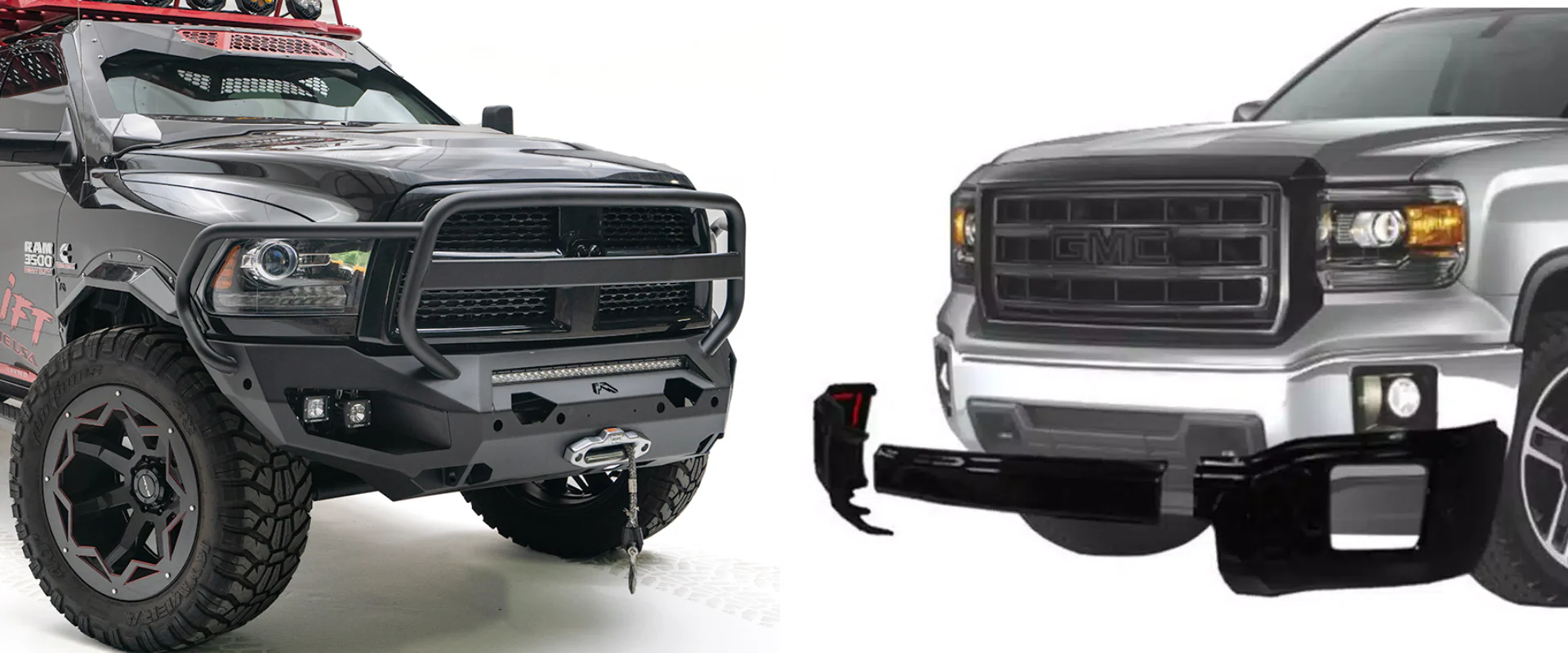
Truck bumpers are an important feature of protection and functionality, particularly among those drivers who make use of the vehicles in the course of their work, towing, or off-road. Today truck bumpers have developed to go much farther than simply impact absorption.
As it is today, they are created to ensure they are more durable, able to mount more, and be able to increase the clearance of a vehicle besides altering the overall appearance of a truck. This guide explores the key ideas behind truck bumpers and the different ways they support performance, safety, and utility.
1. The Purpose of Truck Bumpers in Modern Vehicles
Truck bumpers are not merely cosmetic elements any more. They have been used originally to absorb smaller impacts and safeguard the frame of the vehicle, but current factory bumpers are being created with an aerodynamic and pedestrian friendly design rather than a tougher impact resistance. Here the advanced bumpers on a truck come in.
Very often aftermarket-style truck bumpers are assembled using higher strength products like reinforced steel or aluminum. These designs would be capable of performing tasks that are more demanding such as rough surfaces, pulling actions, recurrent low speed hits. They are also used to guard important parts of the vehicles such as radiator, headlights as well as front frame parts. In most instances, they take a more inflexible design in which they value strength than flexibility, which makes them ideal to use in harsh driving conditions.
2. Key Types of Truck Bumpers and Their Uses
Heavy-Duty Bumpers
Bumpers are designed to be heavy-duty and provide maximum protection. These are usually constructed of heavy steel, and are not meant to bend easily. These bumpers are well utilized on work trucks and off-road vehicles, where the durability is important. Accessories like winches and recovery points are also allowed on them since their reinforced structure is applicable on occasion of need as in recovery.
Modular Bumpers
Modular bumpers have adaptable design and functionality. They can be used to add or remove components like a light mount, skid plate or an end cap to suit user requirements. This contributes to their popularity among truck owners who wish to have a compromise between appearance and protection.
Pre-Runner Style Bumpers
Pre-runner bumpers are sleeker and lighter. They are designed in such a way that they enhance approach angles which contribute to the ease at which the trucks traverse uneven surfaces. Although they do not provide the same impact protection as the heavy-duty bumpers, they can be beneficial to individuals who value maneuverability and weight.
Tubular Bumpers
Bumpers, tubular and not flat, are made of round steel tubing. This design offers a moderate level of protection, with a lightweight structure. They tend to be selected due to their minimalist clean design and are typically combined with off-road style.
3. Functional Benefits of Upgraded Truck Bumpers
Making an upgrade on a truck bumper can make a great deal of difference in the way a truck is going to perform under real life conditions. Among its key advantages, one may single out better protection against the effects of rocks, debris, or minor crashes. Newer and more powerful materials and robust mounting systems contribute to decreased damage to critical vehicle components.
Second significant advantage is better approach and departure angles. A smaller bumper size will minimise chances of scraping or becoming stuck on the rough surfaces, and in off-road situations or construction sites it is very crucial.
Another functionality is through truck bumpers. Most designs have factory-mounted accessory slots to attach accessories like LED light bars, recovery hooks and winch systems. The additional features enhance the all-purpose nature of the truck, which is more convenient in towing and recovery as well as night-time driving.
4. Safety and Practical Considerations
Although the advantages of stronger bumpers are undeniable, the handling of a vehicle in case of impact is also altered. Bumpers on a factory are usually made in such a way that they will absorb energy during a collision but heavy-duty bumpers are harder. This implies that the forces of impact can be redirected in an accident, a very vital factor towards normal day driving.
Another factor to consider is to match the type of bumper with the overall purpose of the truck. A work truck or off-road vehicle has maximum durability, whereas a daily commuter might be interested in balanced protection and comfort levels instead of maximum strength.
Conclusion
Truck bumpers represent the addition that a driver can make immediately he or she desires more than what the factory offers. Whether it is a heavy-duty design to be used in rugged environments, a modular design to be more flexible, or a lightweight pre-runner design to be more clearance-focused, these solutions all meet a different driving requirement. It is also a way of making more informed choices when using a truck based on their safety, performance, and the long term use of the vehicles.