Style Upgrade: How Commercial LED Lighting Makes Shops, Studios, and Salons Look High-End
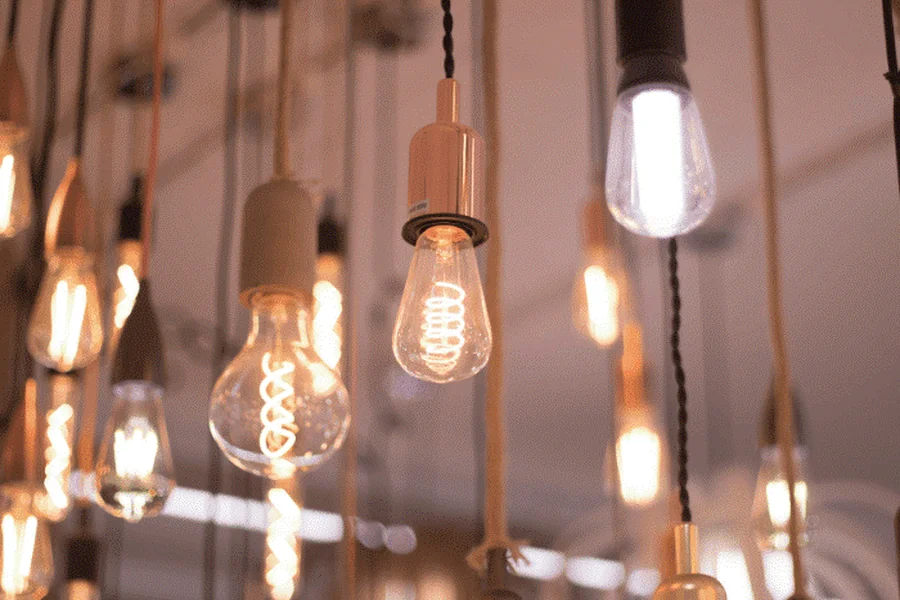
Walk into a boutique that feels instantly elevated—calm, curated, and intentionally designed—and chances are the lighting is doing more work than the decor. Not louder, not flashier. Just cleaner, more flattering, and more controlled. In fashion retail, creative studios, and service spaces like salons, lighting is a silent stylist: it shapes how colors read, how textures show up on camera, how skin looks in the mirror, and how premium a space feels before a customer touches a single product.
Commercial LED lighting has become the go-to “quiet upgrade” for brands that want a high-end look without renovating walls or replacing fixtures every season. It’s not only about energy savings (though those are real). It’s about precision—how light lands, how it renders color, and how it creates a cohesive mood throughout the customer journey.
High-End Doesn’t Mean Brighter. It Means More Intentional.
Many spaces equate “better lighting” with “more light,” and that’s where things go sideways. Overly bright, cool-toned lighting can make a boutique feel clinical and a salon feel harsh. Luxury, on the other hand, is usually built on balance: highlights where you want attention, softer ambient light where you want people to linger, and consistent color quality everywhere.
LEDs excel here because they’re easy to control and layer. You can create:
- Ambient lighting to set the overall tone (warm and welcoming, or crisp and modern).
- Accent lighting to highlight racks, displays, art, or architectural details.
- Task lighting for areas where precision matters—checkout counters, styling stations, treatment rooms, worktables.
When those layers work together, the space feels designed, not just illuminated.
Color Is the Whole Point—Especially in Fashion and Beauty
If you sell clothing, skincare, cosmetics, or anything color-dependent, lighting is part of your product. The wrong light can turn a creamy ivory into a sickly yellow, or make a bold red look dull and brownish. For salons, lighting that distorts tone can affect everything from hair color consultation to makeup application and before/after photos.
The key metric here is CRI (Color Rendering Index), which describes how accurately a light source shows colors compared to natural light. In style-forward spaces, a CRI of 90+ is typically the sweet spot for a more “true-to-life” and premium feel.
Equally important: consistency. If the fitting room light looks different from the sales floor, customers second-guess what they’re seeing. If your studio lighting shifts from one corner to another, your content looks mismatched across shoots. Commercial LED setups can be specified so that the color quality and temperature stay uniform across the entire space.
The Fitting Room Effect: Where Sales Are Won or Lost
Fitting rooms are the most underrated “high-end lever” in retail. A customer might love an item on the rack, then step into a fitting room with unflattering overhead glare and instantly feel unsure. Bad lighting doesn’t just affect appearance—it affects confidence.
A premium fitting room lighting approach often includes:
- Vertical lighting at face level (soft sconces or side lighting) to reduce harsh shadows.
- Diffused light rather than a single overhead spotlight.
- Warm-neutral color temperature that flatters skin and keeps whites looking crisp (often in the 3000K–3500K range, depending on the brand aesthetic).
The best part: you can create a dramatically more luxurious fitting room experience without changing the mirror, paint, or flooring—just by upgrading the light quality and placement.
The “Studio Glow” for Content That Looks Expensive
Whether you run a photo studio, a creator space, a wellness brand, or a salon that lives on Instagram, lighting is your production value. High-end content usually has two qualities: softness and clarity. LEDs make it easier to achieve both consistently.
Commercial LED options can support:
- Even illumination for product photography (less editing, fewer color surprises).
- Flicker-free lighting that plays nicely with cameras and phone video.
- Directional control so you can shape highlights and shadows intentionally.
When the space looks good in real life and on camera, you’re essentially upgrading your marketing with every post.
The Salon Upgrade: Flattering Mirrors and Calmer Energy
Salons sit at the intersection of service, self-image, and ritual. People come in hoping to look and feel better—so the lighting needs to support that emotionally, not just functionally.
Harsh lighting can create an anxious feeling: it exaggerates shadows, emphasizes texture, and makes the space feel busy. A more elevated salon atmosphere tends to use:
- Warm-neutral ambient light to create calm.
- High-CRI mirror lighting for accurate consultations and styling.
- Well-lit but gentle back-of-house areas for staff comfort and precision.
A thoughtful LED plan can also reduce the “patchwork” effect you get when bulbs burn out at different times or different replacements get installed. Consistency reads as polish.
Small Lighting Choices That Signal Luxury
Luxury is often communicated through details people don’t consciously notice. Lighting does that effortlessly when it’s handled well. A few commercial LED decisions that can make a space feel instantly more premium:
- Higher-quality diffusers that reduce glare and soften shadows.
- Tight beam angles for accent lighting that feels like gallery illumination.
- Dimming capability to shift mood from morning to evening.
- Clean, consistent fixture color and placement to avoid visual clutter on ceilings.
- Better uniformity so there aren’t dim corners or random hot spots.
These aren’t just technical upgrades—they’re aesthetic ones. They help a space feel intentional, calm, and designed.
Don’t Forget the Customer Journey: Lighting as Choreography
The most stylish spaces guide you without signs. Lighting can subtly “pull” people through a store or studio: brighter near hero displays, softer in lounge areas, focused light on new arrivals, calm light near service zones. Think of it like choreography—directing attention while maintaining an effortless vibe.
In retail, this can mean:
- Highlighting mannequins and feature walls with accent lighting.
- Using consistent aisle lighting so the space feels larger and cleaner.
- Keeping checkout areas bright enough to feel efficient, but not stark.
In studios and salons, it can mean:
- Softer, warmer light in waiting areas.
- Clear, accurate light in work zones.
- Balanced light in photo-friendly corners for client reveals.
Where to Source the Right Commercial Led Solutions
The difference between “we switched to LED” and “this place looks expensive” usually comes down to choosing the right specifications—and matching fixtures to the space’s purpose. If you’re exploring commercial options (for retail floors, back rooms, studios, or salon environments), it helps to work with a supplier that focuses on commercial-grade LED lighting and can point you toward the right combinations of brightness, beam angle, and color quality.
For example, Safety Source offers commercial LED lighting solutions that can support these kinds of upgrades—especially when your goal is a refined look with reliable performance. The right guidance up front can save you from mismatched color temperatures, glare issues, or fixtures that don’t suit your ceiling height and layout.
A High-End Look That Doesn’t Scream for Attention
Trends in fashion and lifestyle are leaning quieter: clean silhouettes, thoughtful materials, and spaces that feel restful but intentional. Lighting can match that ethos. Commercial LED lighting doesn’t have to be a utilitarian swap—it can be a style decision that makes a shop feel more editorial, a studio feel more professional, and a salon feel more calming and premium.
When the lighting is right, customers don’t think “nice LEDs.” They just think, this place feels good. And in the world of fashion, beauty, and lifestyle, that feeling is the most valuable upgrade of all.