What Is a VPN? Meaning, Benefits, Drawbacks, and How to Choose the Right One
Introduction
The internet has become a necessity in life. It is used by people in their work, education, shopping, banking, and entertainment. Nevertheless, the risks grow along with the online activity: tracking, data theft, hacking, censorship, and limited access to websites. A VPN is one of the best instruments to enhance privacy and online freedom.
A VPN (Virtual Private Network) helps users secure their internet connection, protect personal data, and access content that may be restricted. But how exactly does a VPN work, is it really safe, and how do you choose the best one? Let’s explore.
What Is a VPN?
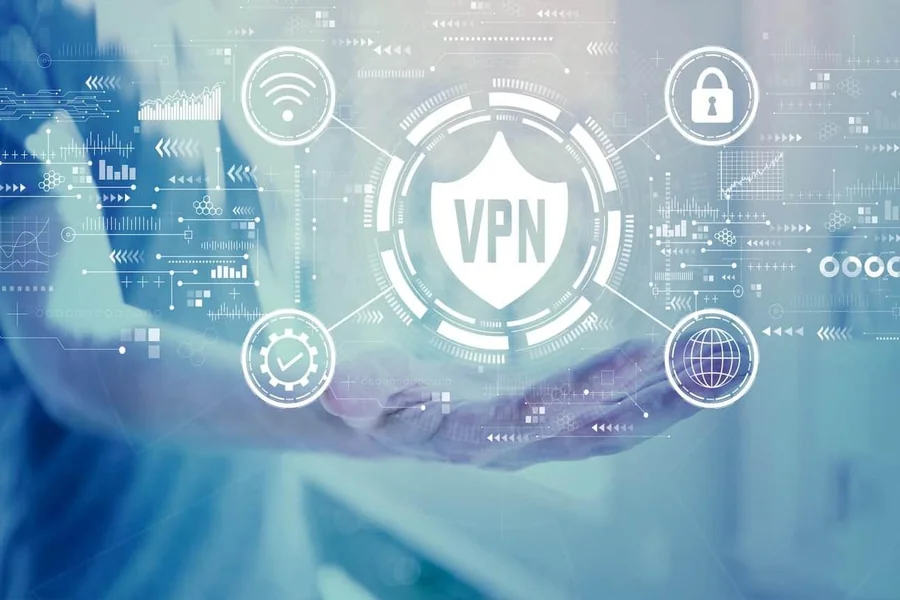
VPN (Virtual private Network) is an innovation that provides a secure encrypted privacy between your computer and the internet. You are not directly connected to a web address or a web service, but rather your information goes through a VPN server in the first place.
To explain the use of VPN in straightforward terms, it is a kind of tunnel, which conceals your internet traffic. It does three main things:
Encrypts your data so no one can easily read it
Hides your IP address and shows the IP of the VPN server instead
Protects your online activity from tracking on public networks
How Does a VPN Work?
You are used to connecting to the internet, and your device will communicate directly with websites, that is when everything is normal. Your internet provider could know what you are accessing, websites would know your IP address and even around what location you are.
When you use a VPN:
- Your device connects to the VPN server
- Your traffic is encrypted
- Websites see the VPN server’s IP instead of yours
- Your ISP cannot easily track your online activity
This makes it harder for hackers, advertisers, and even internet providers to monitor what you do online.
Main Benefits of Using a VPN
1. Stronger Online Privacy
Privacy is one of the principal reasons why people use VPNs. VPN will help you avoid websites, applications, and the internet providers to monitor your actual whereabouts and browsing patterns.
This is very useful to those users that wish to minimize online profiling, targeted advertising and data collection.
2. Better Security on Public Wi-Fi
Cafes, airports and hotels often use public Wi-Fi networks that are not secured. There are hackers who can intercept traffic, steal passwords or even access banking information.
VPN secures your data which is very hard to be spied by anybody who is on the network.
3. Access to Restricted or Blocked Content
In some countries, access to certain websites, platforms, or services may be limited. VPNs allow users to connect through servers in other regions, which can help access:
- blocked websites
- restricted news sites
- streaming libraries not available in your country
- online services unavailable in certain regions
This is one reason why VPNs are often used for internet freedom and global access.
4. Safer Online Shopping and Banking
A lot of people pay with their computers, buy at international platforms, and use e- wallets. A VPN minimizes the threat of data loss and assists in the protection of vulnerable financial data, particularly when one is on the way.
5. Avoiding Bandwidth Throttling
Other internet providers reduce connection speeds (throttle) when used heavily – particularly when streaming or playing video or downloading large files.
VPN encryption has the potential to block your ISP from intentionally slowing down certain activities as they can never know what you are doing online.
Disadvantages of VPNs
VPNs are helpful, but they are not perfect. Here are the main drawbacks:
1. Slower Internet Speed
Because traffic is routed through a server and encrypted, a VPN can reduce speed. The level of slowdown depends on:
- server distance
- server load
- VPN protocol
- internet speed
Good VPN providers minimize this issue.
2. Not All VPNs Are Safe
Some free VPNs collect user data and sell it to third parties. Others may include ads, tracking, or weak encryption.
A VPN only improves privacy if it is trustworthy.
3. Some Websites Block VPNs
Certain streaming services, banking platforms, or websites block VPN traffic to prevent misuse. This can cause issues when trying to access specific platforms.
4. VPNs Do Not Make You Invisible
Many people think VPNs provide complete anonymity. They don’t. A VPN can hide your IP, but your identity can still be revealed through:
- logged-in accounts (Google, social media, etc.)
- browser fingerprinting
- cookies and tracking scripts
For maximum privacy, VPNs should be combined with safe browsing habits.
How to Choose the Best VPN
When selecting a VPN, look for these key features:
✅ No-logs policy (the provider doesn’t store your activity)
✅ Strong encryption (AES-256 is standard)
✅ Reliable speed and large server network
✅ Kill switch (disconnects internet if VPN drops)
✅ Modern protocols (WireGuard, OpenVPN, IKEv2)
✅ Cross-platform support (Windows, macOS, Android, iOS)
✅ Customer support and transparency
Avoid VPNs with unclear policies or suspiciously “too good to be true” free offers.
Free vs Paid VPN: Which Is Better?
Free VPNs
good for short-term use
limited speed and servers
may show ads
privacy risks possible
Paid VPNs
✅ better speed and security
✅ more server locations
✅ stronger privacy protections
✅ stable streaming and downloads
If privacy is a priority, paid VPNs are usually the safer option.
Conclusion
VPNs have gained a significant role in privacy, security as well as internet accessibility. They can be used to safeguard information, secure open Wifi networks, and also give greater freedom in the internet. But they are able to slow down and not everybody is good.
The most suitable VPN is the one that has good encryption, articulate privacy policy, and good speed. A VPN could make your web privacy and the freedom to choose a lot safer and more digital when properly applied.