What Online Gaming Players Wear and How Table Fashion Has Evolved
In the early 1960s, when poker was starting to move into the casinos of Las Vegas, it had its own distinctive visual identity. Legends such as Doyle Brunson and Amarillo Slim came dressed in cowboy hats. They paid homage to the American West origins of the game. It was a way to signal the toughness and individualism associated with playing this game.
Once poker got established in casino hallways, dress codes became stricter. At the time, the atmosphere of a casino required a certain level of formality. In many casino settings, poker still carried a more formal image than it would later have during the online era. Jackets, collared shirts, and dressier clothing were more common than today, especially in public casino spaces. The card tables were located within a setting that felt exclusive. As a result, the clothing worn by men attending these games mirrored that exclusivity. To be seen as under-dressed was perceived as being poorly behaved — regardless if you were a regular at Binion’s Horseshoe or simply stopping off to try your hand.
Poker faces emerged during this period, both as a fashion statement and tool of the game. By using wide-brimmed hats and sunglasses they could hide their emotions from other players.
The TV Boom: Sponsorships, Hoodies, and Logo Overload
Televised poker exploded in the early 2000s. When televisions began broadcasting hole card cameras that displayed what each player had in their hands, the World Series of Poker (WSOP) turned into television viewing material. With so many people now able to view players’ attire while watching poker on television, players were creating new identities with what they wore to games.
The results were a bit chaotic. There existed a short window where sponsors plastered logos all over their shirt and jacket designs. These logos would sometimes cover nearly every inch of a player’s body. Poker professionals used their bodies much like racing car drivers do — as an advertising platform.
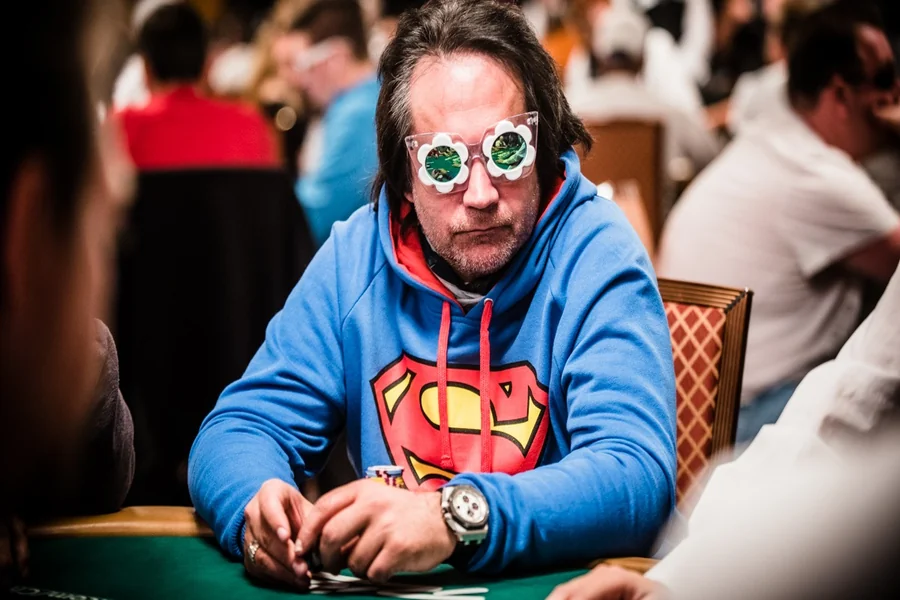
At the same time, a counter-movement developed. Players such as Phil Ivey and Daniel Negreanu made waves in the poker world with a minimalist approach — simple athletic wear, fitted garments, and limited sponsorship logos. The hoodie quickly developed into one of the most identifiable items of clothing of the era. Practical during long hours spent at the table; functional for concealing a player’s tell; and stylishly easy to appear cool on television. Phil Laak’s appearance at WSOP tournaments wearing a hoodie and sunglasses pulled down over his eyes — he eventually gained the nickname “the Unabomber” — is an example of both strategy and style.
Chris Moneymaker’s winning appearance at the 2003 WSOP Main Event included sunglasses and a baseball cap. This look quickly symbolized the amateur who could successfully compete against professional players.
From Streetwear to Techwear: The 2010s Shift
Poker culture borrowed from additional subculture styles; as such, what was worn by poker players at the table reflected greater fashion trends. MMA apparel — brands recognized for their graphic designs — were first seen at tournament tables around the mid-2000s. Streetwear soon followed; Supreme, Stüssy and high-end label Fear of God could all be spotted in a tournament room.
Poker players were now sporting limited-edition sneakers, designer baseball caps and logo-laden jackets. The poker table became an unlikely outlet for modern-day fashion.
By the end of the 2010s the look transitioned to performance-wear with a touch of flair. Instead of flashy streetwear from the previous decade, players preferred fitted jogging pants, quarter-zip tops with a logo and fabric that provided both flexibility and function. While comfort continued to reign supreme for players sitting at a table for 10–12 hours under intense light conditions, the overall polish factor greatly increased.
Online Poker and the Freedom of Playing Without a Dress Code
With the advent of online poker came the elimination of dress codes. Once poker players began to play games online instead of in-person, there was virtually no aspect of player style visible to their opponents — since they can’t see each other.
This shift created an interesting reversal. Sites like CoinPoker create environments where a player may be competing in a high-stakes game wearing nothing more than a bathrobe, pajamas or even a business suit — none of which impact the actual gameplay. The mechanics remain the same; only the context has changed.
For live poker, though, online culture influenced the style of players that began competing in live events. Players who developed their reputation through their online presence and later transitioned to live events brought a more relaxed attitude towards dress with them. Today’s WSOP floor includes everything from tailored suits to basketball shorts — due to the absence of an official dress code.
What Poker Fashion Looks Like Now
Today’s poker table fashion represents a middle ground between functionality and self-expression. Serious players generally prefer clothing that provides comfort for prolonged gaming sessions — breathable materials, layered tops that allow temperature adjustment, and shoes that can withstand long use.
However, the desire to stand out has not dissipated. Many high-profile live events that receive televised coverage continue to attract participants who view their attire as part of their image. Phil Hellmuth has competed in several WSOP events dressed as a Roman gladiator and a boxing champion — entrances that produce media attention and contribute to his personal brand.
Read More: Floral Jeans Styles Adding Color to Everyday Fashion
Some companies have begun developing clothing specifically designed for long tournament sessions — fitted tops made from materials that promote airflow and feature clean lines similar to athletic wear. The market for these products is small but continues to grow.
From cowboy hats and casino formalities, we’ve arrived at an era where just about anything is acceptable — as long as it allows you to maintain focus, stay comfortable and perhaps gain some recognition.