Why LED Neon Sign Deserves a Place in the Sustainable Home
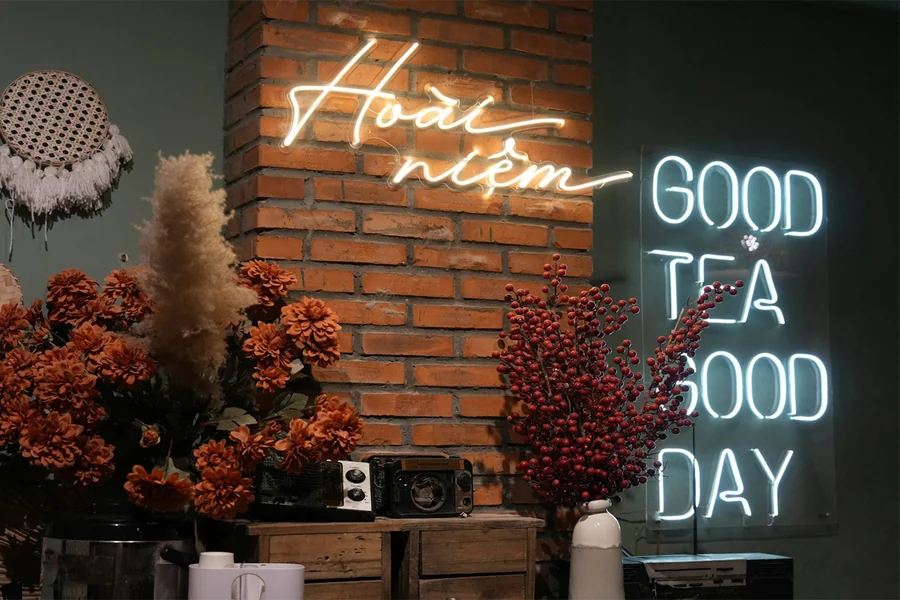
The majority of us have learned to ask questions about the origin of things. We look into the coffee being fair trade, the linen shirt being cut to wear, and the cleaning spray dissolving under the sink. then we purchase a flaming sign to the wall, and we never think of it again.
Lighting and decor in the houses are in an awkward spot. We use them merely as clean appearances, outside of what we apply to the rest of the house. But the items we put on in our rooms have a footprint as well, in the energy they consume, the resources they are manufactured out of, and how readily they find their way into the dumpster when the wave subsides.
One of those items that would be worth another glance is LED neon sign. It is also known as a partying prop or cafe gimmick, which it deserves not to be: it is in fact a low voltage, long-lasting light source that can be hung on the wall over a period of years. To a house constructed on intentional decisions, the combination is not as banal as initially perceived.
The Decor Problem No One Talks About
Walk through the home section of almost any big retailer, and you will spot the same pattern fashion has, only slower. New palettes every season. Cheap materials made to look current for a year, then dated. Wall art printed in bulk, shipped across an ocean, and priced to be swapped out rather than kept.
This is where a lot of sustainable living talk stops short. We cover wardrobes and groceries, then let the home fill up with disposable statement pieces nobody plans to keep. A neon-look phrase in this season’s color. Some trendy prints that feel tired by spring. Each one is small. Together they add up to a quiet stream of stuff heading for the bin.
The fix is not owning less for its own sake. It is picking fewer objects that earn their spot and stay. One piece you actually love, made to survive years of daily use, does more for a room than a rotating cast of cheap ones. Hold onto that idea as we get to the practical side.
How LED Neon Sign Actually Uses Less Energy
LED neon signs and old-fashioned glass neon signs look alike, but underneath, they are completely different technologies.
Traditional glass neon runs electricity through gas sealed in hand-bent glass tubes. It needs a high-voltage transformer, often several thousand volts, to light up. The tubes get hot; they can shatter, and many of them hold a small amount of mercury.
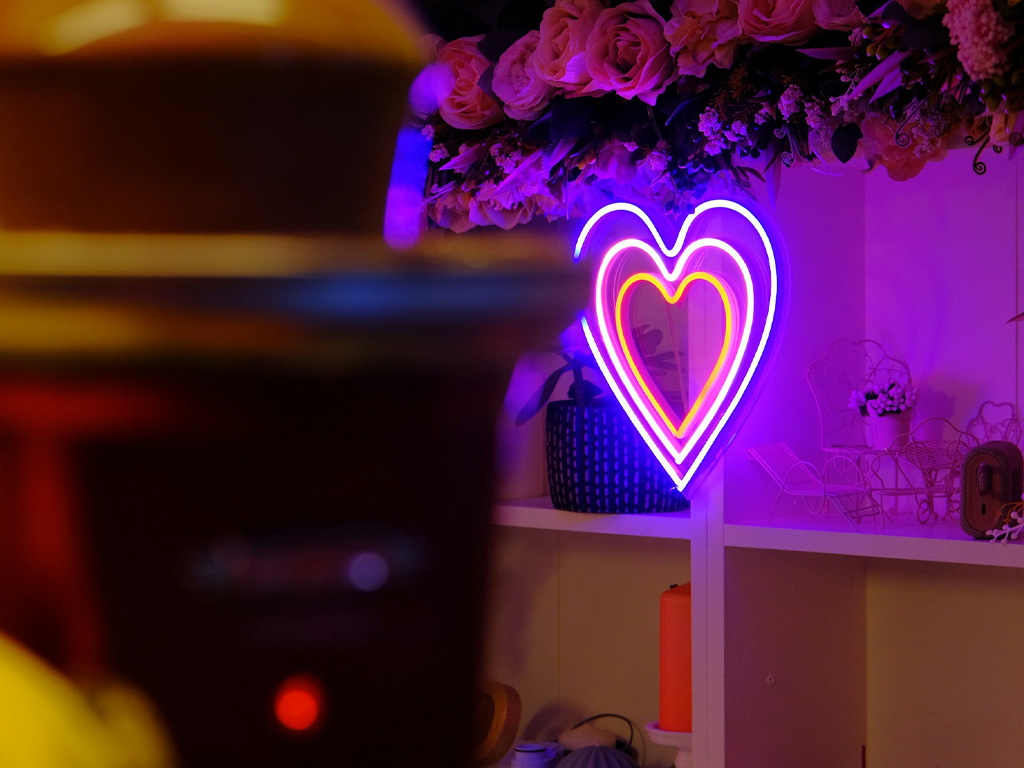
None of that is done in modern LED neon flex. It is an elastic band of LEDs in a low-voltage, soft silicone or PVC covering and operated by low voltage, typically 12 or 24 volts. Its energy consumption has been estimated to be about 80 to 90 percent lower than that of a glass neon of the same size and intensity and some manufacturers estimate its efficiency to be up to 10 times that of glass neon. That amounts to just a few dollars a month to have a small custom sign in a living room wall, even left-glowing every night.
The savings are as a result of LED technology. Most of the power that an LED consumes is turned into light instead of heat, which is why a good LED neon sign will remain cool enough to touch and silent enough to forget about it on. A single color design in contrast to the full color changing RGB or a dimmer or a plug timer, reduces the number further.
This is the practical information that most of the guides leave out: the color you choose has little to do with the amount of power consumed by your bill and the length of tubing used in the design is what actually causes power consumption.
Because they hang like a framed picture and run cool, LED neon signs also skip the specialist electrician and heavy mounting that glass versions demand, which means less material and less hassle across the life of the piece.
A Piece that Lasts Instead of a Trend that Fades
Longevity is where LED neon sign makes its quietest, strongest case for a sustainable home.
Most well-made LED neon signs are rated for around 50,000 hours of use or more. Run one for four or five hours a night, and you are looking at well over a decade before it fades.
Glass neon gives out far sooner and costs a lot to repair when a tube cracks. The longer something lasts, the less often it gets remade, reshipped, and rebought, which is the entire point of buying well once.
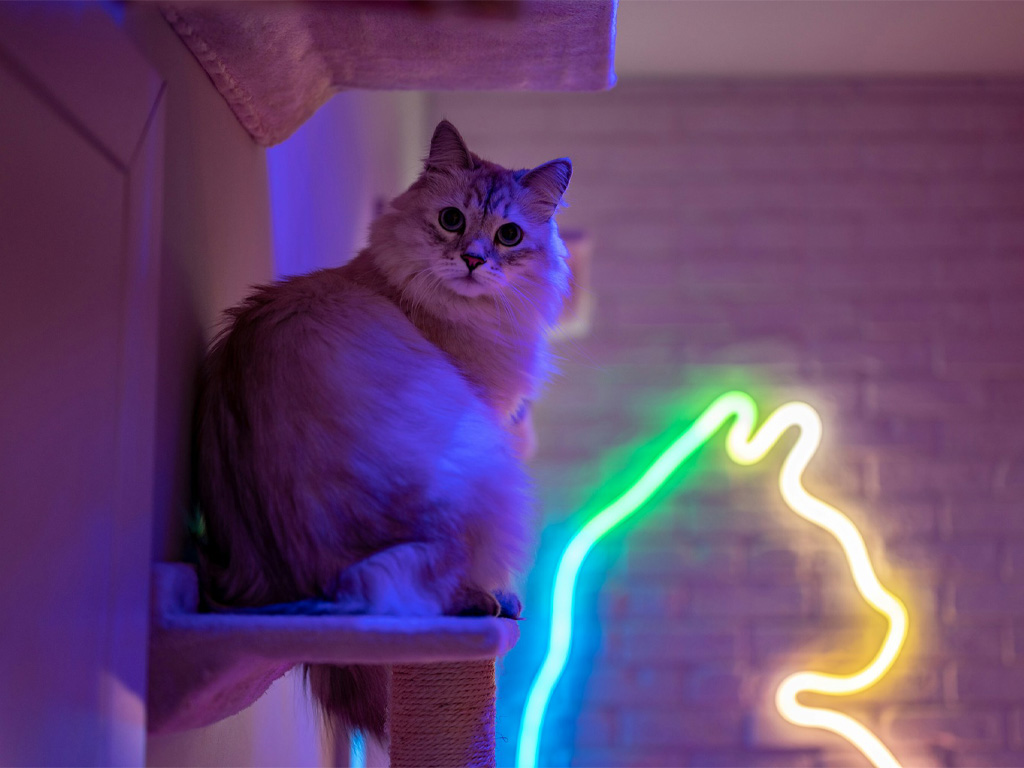
Then there is reuse. A custom neon piece is not tied to a season. The same sign that feels warm and personal in your living room moves to a home office, a nursery, a rented flat, or a wedding backdrop without missing a beat. Instead of buying fresh decor for every phase and every event, you carry one meaningful object forward. That is a world away from the buy-use-bin cycle most decor lives inside.
None of this makes neon signs precious or fragile to own. Flame-retardant flex is surprisingly hard to damage; it does not yellow quickly on quality units, and it asks for no real upkeep beyond the odd dusting. It is decor you can be a little careless with, part of why it tends to stick around.
Designing With Intention, not Clutter
The case of sustainable-home of LED neon has nothing to do with the sign. It is all a matter of the way you put it into use.
Slow spaces are deliberate spaces that pull toward a small number of subjects assembled on a wall, as opposed to a wall full of many objects. A solitary radiant word, a single line sketched in radiance, or an expression that has a meaning to the people who inhabit it, can attach an entire room.
Relax it down and heat it in the evening, and it performs the task which a bunch of candles, or a pile of lamps, would do, with a third of the noise and no smoke.
Here, personalization is important in a sense that will enable you to retain things longer. Decor is easy to wear out as mass-produced items were not theirs in the first place. An article that is molded about your own words, a name, a date or a line that you find yourself returning to, is likely to have its meaning. It takes you longer to change a personal touch and that emotional permanence is greener than the low wattage.
The art is holding back. LED neon sign finds its place in a home that is serene when it is the single venturous note in the room, not out of ten. When thus used, it supports the less-but-better instinct that is running through the vast majority of sustainable living, as opposed to opposing it.
Read More: What Makes a Lawn Look Expensive? It’s Usually the Grass, Not the Landscaping
The Honest Trade-offs
No object gets a free pass, and LED neon signs should not either.
It is still an electronic product. Building it takes energy and materials, and the flexible sleeve is usually PVC, which you cannot compost or drop in most curbside recycling. A neon sign is a keep-for-years purchase, not a zero-impact one, and anyone selling it as purely guilt-free is stretching the truth.
Buying it responsibly works the same as with anything you want to last. Choose a design you will still like in five years over one chasing a current trend. Look for a quality, dimmable unit with a real warranty, rather than the cheapest option that may fail early. Pick a size that fits the wall you have, since extra tubing means extra power and extra material for no real gain.
Bought that way, the footprint spreads over a decade of use, which makes it defensible in a home that takes these things seriously.
The Quiet Case for Keeping it
A sustainable home was never about owning nothing. It is about owning things that were made thoughtfully, used fully, and kept for a long time. By that measure, the LED neon sign holds up better than its playful reputation suggests. It sips power, lasts for years, carries real personal meaning, and stands in for a stack of disposable decor with one piece you can move from room to room and phase to phase.
Light is one of the few things every room needs. Choosing a version that is efficient, durable, and truly yours is a small decision. Small decisions, repeated across a house, are what conscious living has always been made of.