Why More Women Are Adding a Dentist Appointment to Their European Travel Plans
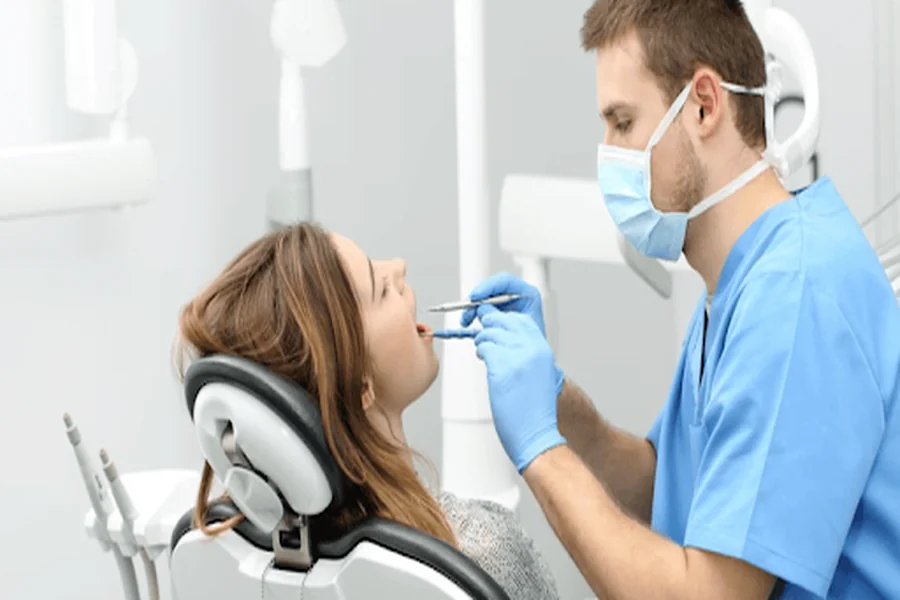
There’s a specific kind of beauty decision that gets postponed indefinitely — not because it’s unimportant, but because the cost, the time, and the mental load of figuring it out make it easy to keep pushing further down the list. For a lot of women, cosmetic dental work falls squarely into that category.
The intention is there. The desire is real. But between the quotes, the waiting lists, the eye-watering price tags at home, and the nagging sense that it might feel vain to prioritize it, the appointment never gets booked.
What’s changed in the last few years is that a growing number of women — particularly in the UK, Germany, and Scandinavia — have quietly started solving this differently. They’re combining it with travel.
The Trip That Actually Does Something
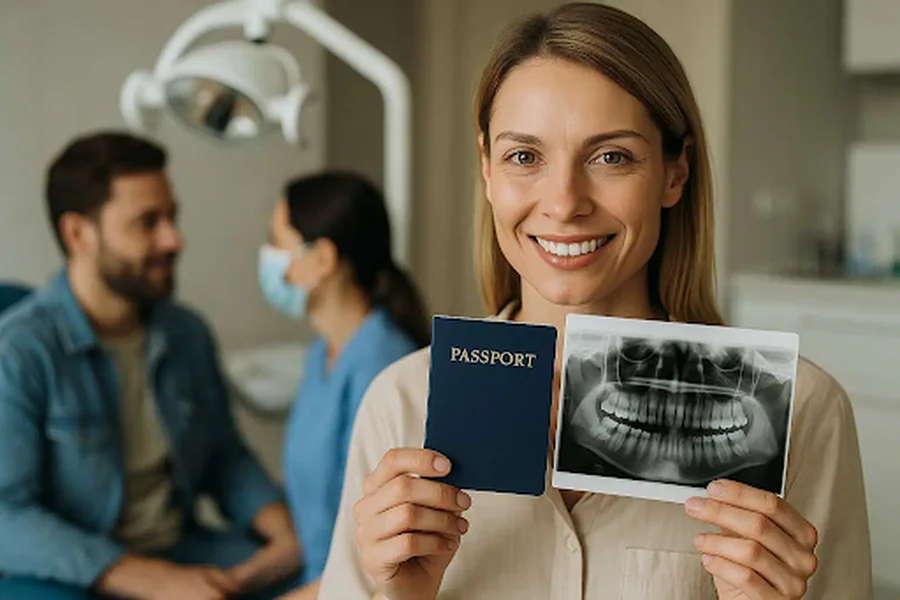
Wellness travel has evolved far beyond spa weekends. People are booking trips specifically designed around meaningful physical investments: laser eye surgery in Turkey, fertility consultations in Spain, orthopedic procedures in Central Europe. Dental care in countries like Albania and Hungary has been part of this conversation for longer than most people realize — but it’s gaining a much wider audience now, and the demographic shifting toward it is telling.
It’s not budget travelers cutting corners. It’s informed, research-driven women in their 30s and 40s who have done the comparison, vetted the clinics, looked at the before-and-afters, and landed on the conclusion that they can get better access to specialist care, with shorter waiting times, at a fraction of the cost — and fold it into a trip that’s worth making in its own right.
What the Price Difference Actually Looks Like
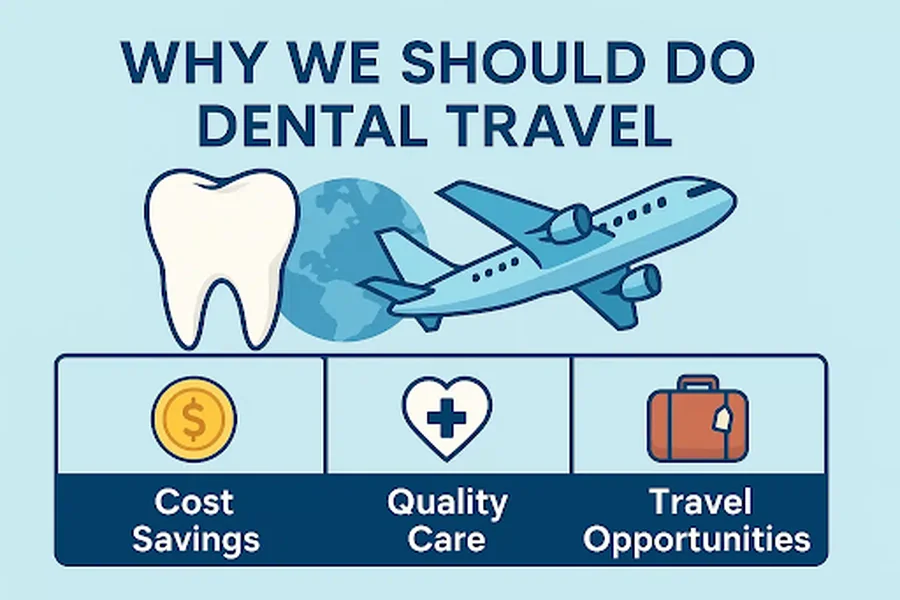
To understand why this is accelerating, the numbers need to be said plainly. A full set of porcelain veneers in the UK or Germany routinely runs between £8,000 and £15,000. The same treatment — same materials, same digital design process, same caliber of specialist — at a clinic like the American Dental Hospital in Tirana, Albania, costs a fraction of that. The savings don’t come from inferior care. They come from lower operating costs, lower labor costs, and a healthcare economy structured very differently from Western Europe.
For women who have been quoted prices that felt completely out of reach, this isn’t an abstract concept. It’s the difference between something that happens and something that doesn’t.
Why Albania Specifically
Albania has been able to establish itself as a serious dental tourism destination due to a set of reasons. Compared to its neighbors, the country experienced the influx of European dental tourism earlier, so the existing clinics with the established reputation in this field had time to develop the systems that would suit the international clients more specifically, i.e. the treatment organization during the short stay, translators, electronic communication, post-treatment measures in case of the patient returning home.
The dentists that work in such clinics are normally trained in Italy, Germany, and other EU states. They deal with the same brands of materials Ivoclar, Straumann, Nobel Biocare as are put into play in London or Munich. Technology difference that could have been a cause of doubt ten years ago has been narrowed down to a large extent.
For anyone who has been considering dental veneers in Albania as a way to finally make this happen, the practical reality is that the process is more straightforward than it sounds: an initial digital consultation, a treatment plan and quote, a stay of typically five to seven days for the procedure and fitting, and follow-up care that can be managed remotely or on a return visit.
The Ethics of Choosing Care Abroad
This is the question worth sitting with, because it deserves a real answer rather than deflection. Does traveling for dental care take something away from local healthcare systems?
In the context of elective cosmetic dentistry — which is almost never covered by insurance or national health schemes in the first place — the answer is largely no. You’re not pulling from a shared resource. You’re choosing where to spend discretionary income on something your home system wasn’t going to provide for you anyway.
There’s also a counterargument worth making: investing in established, reputable international clinics that employ local specialists and support local healthcare infrastructure is its own kind of ethical consumption. The same logic applies here that applies to choosing to travel slowly, spend locally, and engage meaningfully with the places you visit.
What It Actually Feels Like
The testimonies of women who have visited this trip have their few points in common. The first worry on travelling abroad to have something to do with medicine. The stage of research that gathers trust. The shock of how well the experience would be the facilities, the technology, the time and attention given by the dental staff. Then the same note again; I should have done it earlier.
That last part matters. Make-over dental surgery, when you have desired doing that thing since years, does not look frivolous afterwards. It is as though you have done the thing you had been talking yourself out of.
Planning It Like Any Other Considered Purchase
The women navigating this well treat it the way they’d treat any significant investment: with research, questions, and realistic expectations. They look at documented case portfolios. They have consultations before committing. They understand the difference between a veneer that’s designed around their face and one that’s templated. They know what aftercare looks like and what the policy is if something needs adjustment.
The spontaneous, book-it-impulsively version of dental tourism exists and it has predictably mixed outcomes. The version that works looks much more like a considered decision made by someone who has given it the same thoughtfulness they’d bring to any other major purchase.
That approach — intentional, well-researched, values-aligned — is exactly the one this community already applies to everything else. Applying it here is simply an extension of something most readers are already good at.
The appointment that’s been getting postponed might be closer — and more accessible — than it looks.