Why Peer Connection Matters for Parents Navigating a Child’s Addiction
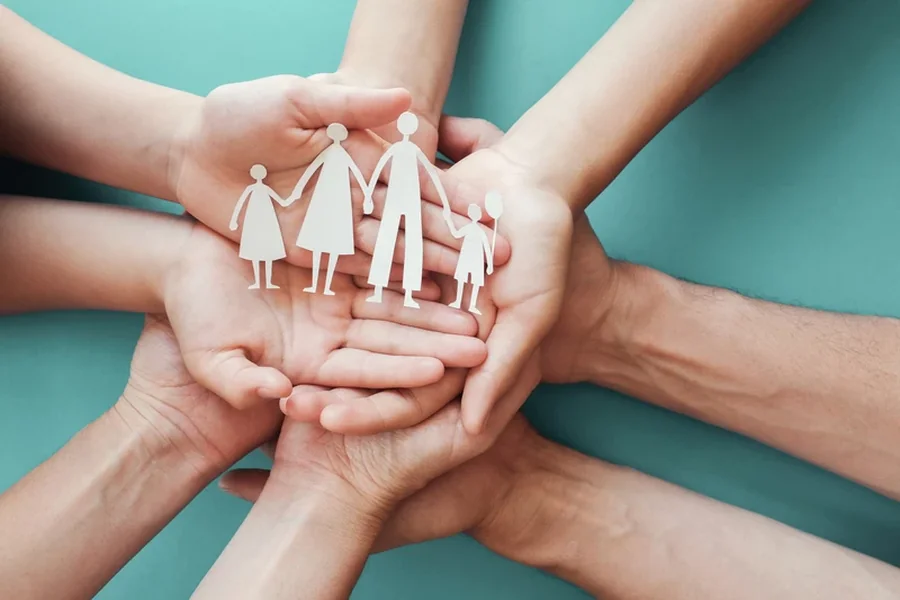
Parents of a child who is struggling with drug addiction are then confronted with the overwhelming emotions of fear, confusion, guilt, anger, exhaustion and not knowing what to do next. It is a ride characterized by unexpected ups and downs, and lots of heartaches make most parents feel totally isolated in the process. However, the fact remains that there are many millions of families who are going through that journey- and peer connection may turn out to be one of the strongest tools of strength and clarity along the journey.
Organizations offering support groups for parents of drug addicts give families a compassionate space to share their experiences with others who truly understand what they’re going through. These groups provide community, education, and emotional relief that can help parents navigate their child’s addiction with greater resilience and hope.
The Emotional Weight Parents Carry
When addiction enters the home, it affects every part of family life. Parents may find themselves dealing with:
- Constant worry about their child’s safety
- Guilt over whether they could have prevented the addiction
- Confusion about treatment options or next steps
- Tension with other family members
- Sleepless nights and emotional exhaustion
- Fear of relapse or overdose
Parents may experience isolation, misunderstanding or loss of hope due to this emotional weight particularly when friends or relatives are not all understanding about the complexities of addiction.
Peer support can be used to ease that burden by finding parents with others who not just know, but who have lived experience to sympathize.
Why Peer Connection Is Such a Powerful Tool
Peer support is more than conversation; it’s a meaningful exchange between people who have walked similar paths. This connection offers benefits that traditional support systems alone often cannot provide.
Shared Understanding Reduces Isolation
Parents in peer groups hear stories that mirror their own—stories of hope, heartbreak, setbacks, and progress. This shared experience reminds them they are not alone, something many parents desperately need.
Validation Helps Parents Release Shame
Addiction often brings feelings of embarrassment or self-blame. Being among peers who have felt the same emotions helps parents recognize that addiction is a disease, not a personal or parental failure.
Practical Guidance Comes From Lived Experience
Parents in peer groups share real-life strategies that have helped them:
- How to set healthy boundaries
- How to communicate during crisis moments
- What treatment options worked for their families
- How to avoid enabling behaviors
- How to cope with relapse
These insights provide clarity and reassurance in ways professional advice alone sometimes can’t.
Emotional Support From Those Who Truly “Get It”
Peers provide empathy that feels different from generalized sympathy. They’ve lived the late-night panic, the missed calls, the hope for recovery, and the fear of relapse.
How Peer Support Strengthens Parents’ Ability to Help Their Child
Parents play a crucial role in their child’s recovery, but they need support too. Peer connection helps parents:
Build Healthier Communication Skills
Support groups teach parents how to express concern, set boundaries, and communicate with their child without escalating conflict or enabling harmful behavior.
Gain Confidence in Decision-Making
Hearing what worked for other families helps parents feel more grounded in their choices, whether they’re exploring treatment centers, addressing relapse, or handling difficult conversations.
Cope With Stress in Healthier Ways
Over time, peer groups help parents build emotional resilience, reducing anxiety and helping them remain steady even when crises arise.
Maintain Hope Through Uncertain Times
Addiction can be unpredictable. Hearing stories of recovery—even after serious setbacks—helps parents maintain hope during their child’s difficult moments.
The Ripple Effect of Peer Support on Family Dynamics
Peer support doesn’t just help parents—it strengthens the entire family unit. When parents receive guidance, clarity, and emotional relief, it can positively affect:
- Communication between partners or co-parents
- Sibling relationships
- Household structure and boundaries
- Family coping strategies
- Emotional stability in the home
Families who engage in peer support groups are often better equipped to navigate the long-term challenges of addiction together.
What Makes Parent-Focused Peer Groups Unique
Unlike general addiction support groups, groups geared toward parents understand the unique challenges of:
- Wanting to help without enabling
- Feeling responsible for a child’s suffering
- Balancing support with personal well-being
- Navigating fear of overdose or relapse
- Managing household responsibilities amid crisis
- Supporting other children in the family
This specialization allows parents to receive tailored guidance and connection that directly addresses their needs.
Moving Forward With Strength Through Shared Experience
Peer connection provides an invaluable opportunity the chance to make parents feel that they are understood, supported and empowered to go through one of the most difficult experiences in their lives. The parents feel empowered when they engage with other parents who have had a similar experience, not only to themselves, but also to the whole family.
Parent support groups of drug addicts benefit their clients with more than emotional release; they also offer a grounding of wisdom, compassion, and community that may assist the family to endure the most difficult times of addiction. To parents struggling to find their way through such rough waters, a supportive peer group can make isolation seem like interconnection, fear seem like comprehension and uncertainty seem like a solid ground.
It is through this common journey that parents learn that they may be going through a challenging road, but there is never a need to go through it alone.