Moisturizer for Aging Skin: What Changes as Skin Matures
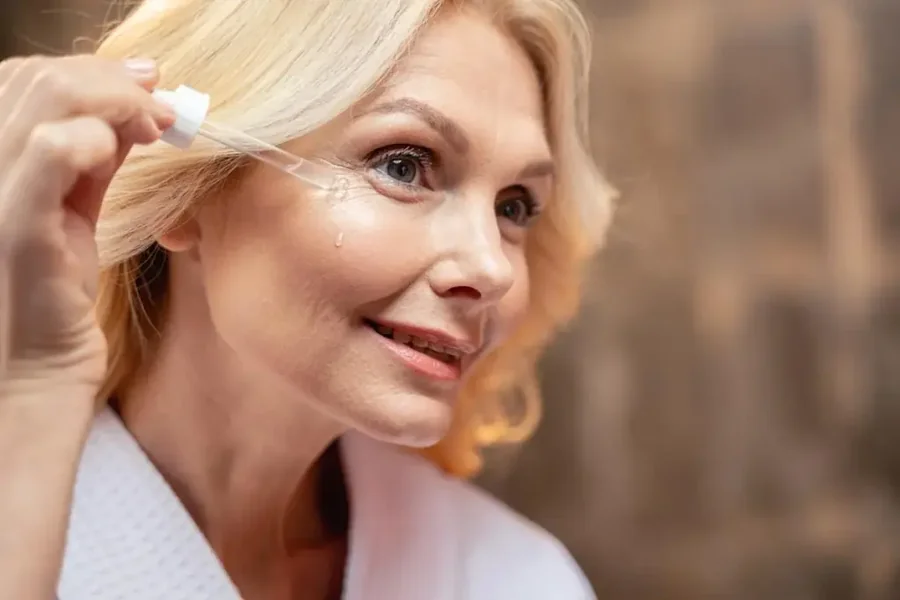
Every year, the modern world sets new standards for skincare. Just think of Hailey Bieber, who started the “Glow Skin” trend that millions of ordinary girls are now striving for. Now let’s get back to you: every morning you wake up and realize that, with age, your skin has become dull, a little saggy, and dry, and it literally craves moisture.
Overall, this is not surprising, since after age 35, everyone’s skin changes significantly. At the least, your skin slows down collagen production and cell renewal. This, in turn, causes the skin barrier – the protection that locks in moisture – to become significantly thinner. And this leads to the following unpleasant consequences: your skin reacts more quickly to cold, wind, and dry air. All of this combined leads to wrinkles, which appear not only from active facial expressions but also from simple skin dehydration.
It is precisely when you notice your skin has changed that you need to act immediately. And the simplest and most logical thing to do in the first stage is to research moisturizers for aging skin. Why research it specifically? The fact is that aging skin isn’t just about “moisturizing with cream after a shower.” It needs specific care that works considerably deeper than regular creams and fits your skin type.
Moisturizer for Mature Skin: Key Ingredients to Look For
Almost every article tells you one thing: read the label. It sounds logical enough, but the thought immediately crosses your mind: “What exactly should I be looking for?” Obviously, out of 10 people, 9 aren’t chemists, and they don’t know exactly what should be in a good product. So take note now! A good moisturizer for mature skin is usually built around a few key ingredients:
That’s why many people turn to educational resources like Health Insiders to compare ingredients and learn what to look for in skincare products.
- Hyaluronic acid. Given that it is the component that draws and retains moisture in the skin, this makes logical sense. In order for certain molecules to act on the surface and others to penetrate deeper, the formula should ideally contain molecules of various sizes.
- Ceramides. As we age, the skin begins to lose these elements. They retain moisture inside by actually “cementing” the barrier.
- Retinol. A somewhat common component of anti-aging products. Indeed, it is effective. Retinol helps balance out skin tone, reduce wrinkles, and speed up cell turnover. However, it’s preferable to introduce it gradually.
- Peptides. These substances stimulate the formation of collagen while acting more softly than retinol. This is an excellent substitute if you are reluctant to begin using retinol.
Anti-Aging Moisturizer with SPF: Protection and Correction in One Step
Think back to the world of skincare just 10 years ago. Yes, the era of using SPF was already beginning back then, but no one really attached much importance to it. And the term “SPF” was only associated with summer at the beach, to keep your skin from getting sunburned. But cosmetology is constantly evolving, new research is being conducted, and now virtually every cosmetologist will tell you that SPF should be applied daily, 365 days a year.
The fact is that ultraviolet radiation (which SPF protects us from) is the main culprit behind approximately 80% of visible signs of aging. It is UV radiation that affects pigmentation, the appearance of wrinkles, and the loss of skin tone.
What’s more – and this might surprise some people – UV rays can even pass through glass. So whether you’re having breakfast by the window, driving to work, or sitting in an office with large windows in your cubicle, all of these situations automatically put you at greater risk of premature aging, since sunlight can penetrate the glass wherever it is.
So, an anti-aging moisturizer with SPF would be a great choice. It’s essentially a two-in-one product, as it serves as part of your morning skincare routine and provides additional protection against UV rays.
If you’re looking for high-quality products for mature skin, check out ForeverBloom. This line was created specifically for mature skin with a focus on repair and protection without heavy textures. After all, you need to apply SPF every morning, even if you’re not going anywhere. In such cases, texture matters.
Anti-Aging Moisturizer for Oily Skin: Lightweight Options That Work
Unfortunately, in the 21st century, many people still think that if your skin is oily, it doesn’t need any moisturizing at all. No, no, and no again! This is a common mistake many make – they don’t moisturize their skin and are surprised when it ends up looking even worse.
Having oily skin doesn’t mean your skin doesn’t need moisturizing. It may very well be dehydrated. Dehydration is a lack of water, not oil. And when the skin lacks moisture, it compensates by producing more sebum. This creates a vicious cycle.
By the way, skin oiliness naturally decreases with age. So if you had oily skin at 20, by 35 you may notice that it has become combination skin (sebum is produced only in the T-zone – the forehead and nose).
An anti-aging moisturizer for oily skin primarily consists of water-based gel or fluid formulas. These products actually moisturize rather than creating a film-like illusion.
Moisturizer for Aging Sensitive Skin: Calming Formulas Without Irritation
Sensitive skin is usually associated with certain issues. At the very least, not all products are suitable for you, as they can irritate. Many people think that sensitive skin will improve over time, so to speak, as they get used to the products. But with age comes disappointment, as this skin type becomes even more sensitive.
The thing is, the skin barrier gets thinner, and skin that’s already sensitive starts reacting not only to new products but also, for example, to seasonal changes or hotel water with a different composition.
For a moisturizer for aging sensitive skin, the main rule is to choose a very simple formula. For your skin, the simpler the formula, the better. Options with scents, essential oils, or high alcohol content should be eliminated right away. The lotion may have a pleasant scent, but it will only hurt delicate skin.
Your ideal ingredients are:
- Panthenol
- Allantoin
- Madecassoside
- Bisabolol
These ingredients help soothe irritation and allow the skin to heal without unnecessary stress.
If you want to use retinol, you should know that your skin may react sensitively to it. In that case, you can try bakuchiol (but only use any products with a specialist’s approval!). Bakuchiol is a plant-based ingredient that works similarly but is much gentler.
And if you happen to forget, redness, burning, and tightness are signs that the product isn’t right for your skin. Rinse the product off immediately and consult a specialist.
Moisturizer for Dry Aging Skin: Rich Hydration to Restore the Barrier
Dry, aging skin is the final category to take into account. This is actually the one that needs the greatest care. How to identify dry skin:
- Tightness that appears 30 minutes after washing your face
- Frequent skin flaking on the face
- Sensation that the cream is swiftly absorbed by the skin, making you want to apply more right away
In such cases, it is recommended to choose a moisturizer for dry aging skin that works on three levels at once:
- The product should attract moisture. Therefore, look for products containing hyaluronic acid and glycerin.
- The product should nourish and soften the skin. This means your product should contain natural oils. Ideal options include shea butter, avocado oil, jojoba oil, and squalane.
- The product should lock moisture inside. Moisture shouldn’t evaporate; thicker ingredients like dimethicone or wax help prevent this.
Leading specialists offer a small life tip: apply lotion right away after taking a shower. The skin is still moist and steaming immediately following a shower. Moisturizing chemicals penetrate deeper and function much more efficiently on such skin.
Read More: The Beauty Routines Women Are Simplifying This Summer
One more thing nobody really talks about: dry, mature skin is incredibly sensitive to the seasons. A moisturizer for dry, aging skin that works perfectly in summer can feel completely useless by January. So if your routine stops working out of nowhere – it might just be the weather, not the product.