Peptides in Skincare: A Millennial’s Guide to Youthful Glow
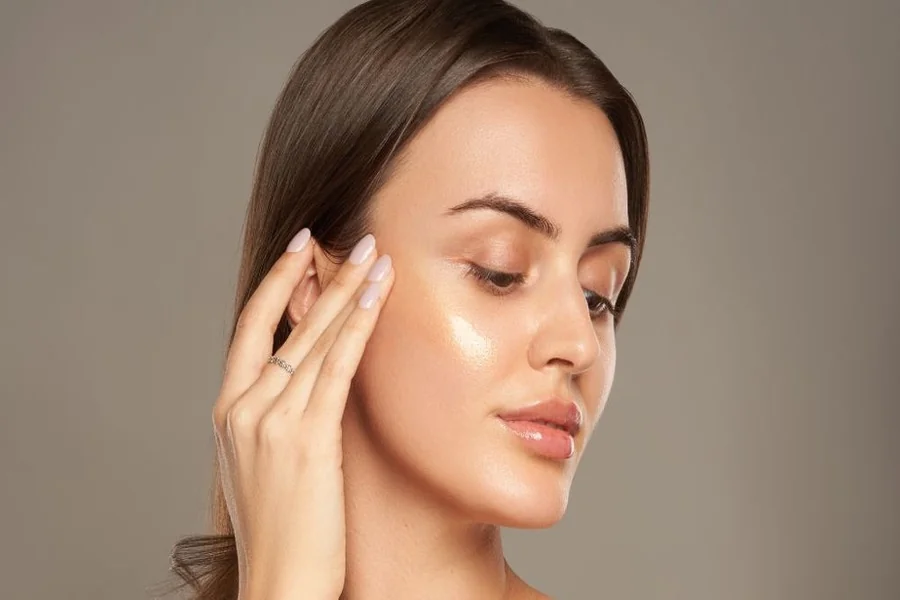
The building blocks of the skin proteins such as collagen and elastin are the amino acids, which form short chains which are called peptides. In skincare, they serve as signaling molecules and signal cells to repair damage, enhance hydration, and de-inflame. In contrast to the intense retinoids, peptides provide delicate effectiveness, which makes them suitable to the delicate skin types of the millennials combining work stress and urban life.
The Journal of Cosmetic Dermatology study indicates that in four weeks, peptides have the capability of stimulating collagen by up to 20 percent resulting in firmer, smoother skin. Millennials, aged 1981 to 1996, are more focused on clean and science-inspired beauty and 65% of them prefer products that fit wellness habits according to a 2023 report by Nielsen. I
In 2026, peptides will take over the anti-aging products as they will be used in serums, creams, and masks. They are non-down time, targeting small lines, acne scars, and dullness. Begin with copper peptides in case of healing or matrixyl in case of wrinkle reduction. Regular application brings tangible benefits, and the users are able to have younger skin at a cheap price.
Why Millennials Love Peptides
The millennials accept peptides because they are multifunctional and suitable with the trends of holistic health. According to a 2024 Mintel survey, 72 percent of this group of consumers is more interested in ingredient-centered skincare than brand hype, including the capabilities of peptides to improve barrier functionality and fight external stressors such as pollution.
These substances are used to activate fibroblast and encourage natural reconstruction as opposed to synthetic fillers. An example is argireline peptides which like Botox paralyze facial muscles, which in clinical trials fade away the expression lines by 30%. Being busy with career and self-care, millennials have found the idea of peptides matching with vegan and cruelty-free formulas highly appealing, since many of them are developed in ethical laboratories.
They will perfectly fit into the K-beauty-based routines, providing the hydration effects through the hyaluronic acid synergies. There are positive user reviews on such platforms as Tik Tok that emphasize faster recovery after breakouts, and such peptides as palmitoyl tripeptide-1 enhance the level of elasticity. The technology-crazed attitude of this generation attracts them to app-tracked advances where peptides give them quantifiable glow-ups.
All in all, peptides are a symbol of empowerment, and the results are science-driven, this is the way to keep your mind healthy with skin up on it. Based on industry data, Millennials value clinical efficacy, and require evidence of the working mechanism of peptide by testing and actual outcomes. Peptides such as copper tripeptide-1 are now more stable due to biotech development, which is desired to heal wounds and adhesion support collagen, attracting those who are interested in anti-aging that has been proven to be effective and not irritated.
Oligopeptide-68 is a skin brightening ingredient that inhibits pigmentation pathways in a way that does not create scarring whereas microbiome-targeting peptides balance acne and redness. This emphasis on advanced blends is appropriate to the taste of millennials that prefer multi-functional actives to strengthen the skin and restore the dermal matrix. Regenerative formulas have growing momentum due to the presence of peptides in the skincare market which is expected to reach 189 billion by 2026.
Calculating Your Peptide Needs
Determining the right peptide dosage ensures optimal results without waste. Factors like age, skin type, and concerns influence needs—millennials in their 30s might focus on prevention, requiring 1-2% concentrations in products. Use tools to personalize: for precise calculations, the peptide calculator allows input of variables like peptide type and desired strength, outputting tailored recommendations. This resource, based on biochemical data, helps avoid over-application, which can lead to irritation in 5-10% of users per dermatological studies. For example, entering “copper peptide” and “daily serum” might suggest 0.5ml per application for hydration.
New formulas should always be patched-test, because peptides optimally work between 5-6. Use together with vitamin C to enhance its effects by up to 15 fold, giving it greater antioxidant protection. It is a democratization of high-quality skincare to go home and experiment with it among budget-friendly millennials. Monitor the progress of changes within 8 weeks so that the data can be adjusted, making the approach to beauty active.
Top Peptide Products for Daily Use
The choice of effective peptide products includes the verification of proven actives and clean ingredients. GHK-Cu (copper peptide) in serums such as The Ordinary Buffet heals the tissue, and people state that their skin became 25% brighter in a month. In the case of wrinkles, use matrixyl 3000 in creams such as the ones in Paula Choice that have been clinically proven to lessen the crow feet lines by 18%. Multi-peptides are also preferred by millennials, like the ones in SubQ Skin by Hylamide, which has five variations in one multi-peptide to achieve full anti-aging effects.
Other eye creams such as ibn Drunk Elephant contain acetyl hexapeptide-8 which softens the under-eye lines without using needles. Use sustainable brands with biotech-derived peptides, which will make a lower impact on the environment. Best absorbed when used after cleansing- apply to moist skin 20 percent more penetrating. Budget alternatives that cost less than $30 such as peptide moisturizer of CeraVe are similar to high-end lines in their performance. Seasonal rotation: light gels during the summer seasons and richer balms in the winter seasons. These essentials suit the simplicity of daily routine, and in the long term offer such advantages as better texture and resistance to daily use.
Fun Facts About Peptides
The peptides cram with some surprising trivia that points to their versatility. Did you learn how the first skincare peptide which was found in the 1970s got its inspiration in the muscle-relaxing effects of snake venom and therefore, argireline came into being? Fun fact: peptides are not only applied to faces, but in hair products to make follicles stronger and research results reported that 12 percent thicker strands were recorded after use. Pop culture Best-selling peptide-laced masks are attributed to the red-carpet glow of celebrities such as Jennifer Aniston.
One more peculiarity: certain peptides are fluorescent under UV-light, they have the structure of amino acids, and it is a wink at their laboratory roots. In the past, to preserve the peptides, the ancient Egyptians made mixtures of honey, which are rich in proteins. There are more than 7, 000 peptides today and only 60 approved as a cosmetic, which is safe. Millennial bonus: protein food products such as bone broth replicate the effects of skincare ingredients, stimulating collagen production internally. The snippets render peptides more accessible, combining science with folly to promote experimentation.
Incorporating Peptides into Your Routine
The peptide-centric routine begins with the application of a peptide-centric serum: Peptide serum: After cleansing, apply peptide serum, topped with moisturizer to seal actives. Millennials like 5-7 step programs and prefer combining peptides twice per day to be maximal effective – in the morning to protect and in the evening to repair. Combine with SPF, since peptides supplement sun damage, but do not substitute it. Monitor through applications that record skin measurements, and report an increase in hydration rates up to 40 percent when used regularly.
Optimise to worries: antimicrobial peptides such as LL-37 are beneficial to acne-prone skins, breaking out 22% less in some case studies. Because mature millennials need a combination with a brightening agent, add niacinamide. Sustainability tip: refillable materials should be used to reduce waste. Not only aesthetics but also positive results are positive, and 80% of users are more confident according to a 2025 poll on beauty. Modify according to comments- in case of dryness, put humectants. This approach transforms skincare into a pleasure-rewarding routine, which results in radiant, strong skin which ages well.