From Fast Fashion To Smart Delivery: The Missing Link In Sustainability
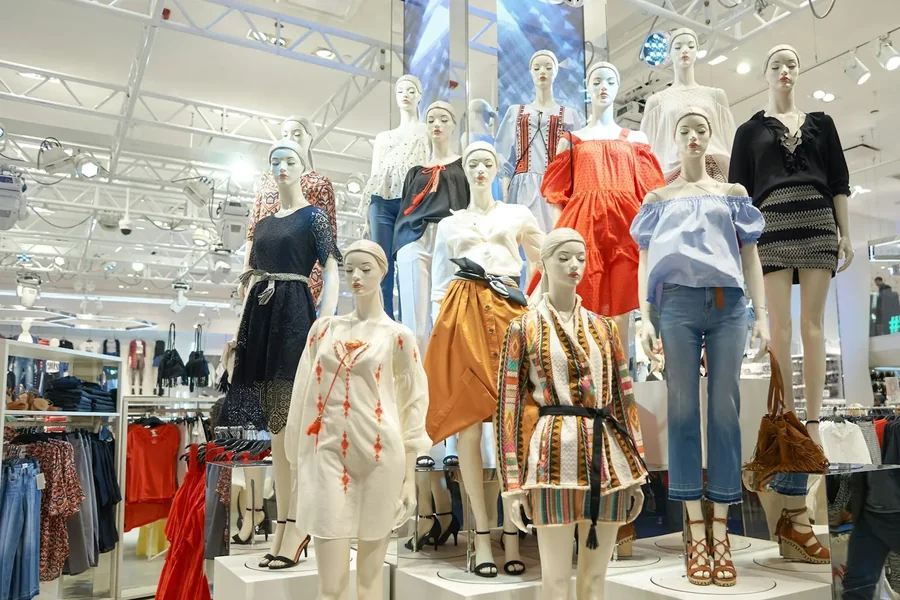
Conversations about sustainability in fashion often focus on organic fabrics, fair labor, and eco-friendly packaging. Yet one major factor remains largely overlooked: how garments and accessories are delivered. From factories and distribution centers to retail stores and doorsteps, the logistics process behind each item leaves a significant environmental footprint.
As the fashion industry continues to move away from fast production and toward conscious consumption, the same transformation must occur in its delivery systems. Modern parcel delivery management technologies are now bridging that gap, creating a cleaner, more efficient path between producer and consumer. Tools such as mailroom management software and parcel management software are playing an essential role in reducing waste, emissions, and inefficiencies across the supply chain.
The Hidden Impact of Fashion Deliveries
Every outfit sold online has already passed through several warehouses, sorting centers, and local mailrooms before reaching a customer. Each stop adds to the environmental cost. Manual handling, paper-based tracking, and poorly optimized routes all increase emissions and resource use.
The shift toward digital logistics directly addresses these issues. With the help of automation and artificial intelligence, delivery operations can run more accurately and with less waste. This change not only saves time and money but also supports the broader sustainability goals that many fashion brands now prioritize.
“Sustainability does not end with the garment. It continues with how it is delivered and managed.”
How Smart Delivery Reduces Waste
Sustainable delivery practices begin with visibility and data. Systems like mailroom management software automate parcel tracking, eliminating the need for printed logs and manual spreadsheets. When a shipment arrives at a store, warehouse, or fulfillment center, barcode or OCR (Optical Character Recognition) scanners capture the information instantly and upload it to a centralized system.
This creates a live digital record that can be accessed by managers, couriers, and recipients. Fewer mistakes mean fewer re-shipments and less packaging waste. Automated notifications also minimize unnecessary trips to collect or return items.
Here is how smart delivery technology changes daily operations:
| Traditional Delivery | Smart Delivery |
| Manual tracking and paper logs | Digital tracking and automated data entry |
| Repeated handling of parcels | Efficient routing with fewer touchpoints |
| Unoptimized delivery schedules | AI-driven planning to reduce emissions |
| Limited visibility | Real-time updates and reporting |
The Role of Data and AI in Green Logistics
Artificial intelligence is helping fashion retailers and logistics providers predict demand, streamline inventory, and plan sustainable routes. By analyzing sales data, AI can recommend the most efficient distribution centers to fulfill each order, reducing the distance parcels travel.
In warehouses, parcel management software automates repetitive tasks and organizes deliveries to minimize resource use. This approach helps companies cut energy consumption, limit vehicle miles, and optimize space in storage facilities.
The same technologies used in large logistics networks can also be applied to smaller, boutique-level operations that value sustainability. By turning delivery data into actionable insights, brands can make more intelligent choices that benefit both customers and the planet.
Beyond Packaging: The True Meaning of Sustainable Delivery
Many brands focus their sustainability messaging on packaging, switching to recycled boxes or biodegradable mailers. While that is important, it addresses only part of the problem. The real opportunity lies in optimizing how those packages are handled and transported.
Implementing advanced parcel management systems allows companies to measure emissions, identify inefficiencies, and transition to greener courier networks. The result is a logistics chain that supports the same environmental goals as sustainable fashion design.
“Every delivery choice is a sustainability decision. Technology helps make the right one.”
Smarter Returns and Circular Logistics
Returns are one of the most significant sources of waste in fashion e-commerce. Each returned item requires additional transport, packaging, and processing. By digitizing return workflows, innovative delivery systems make the process more sustainable.
Software can automatically generate return labels, direct items to the closest processing facility, and update inventory records in real time. This reduces travel distance and prevents unnecessary shipments. Brands that rely on circular or resale models benefit even more, as returned goods re-enter the system faster and with fewer emissions.
| Process | Traditional Approach | Smart Delivery Approach |
| Return Authorizations | Manual forms | Automated system requests |
| Transportation | Long multi-route travel | Optimized local returns |
| Re-packaging | Excessive materials | Minimal handling |
| Tracking | Delayed updates | Instant digital visibility |
Closing the Loop Between Fashion and Logistics
The future of sustainable fashion depends on what happens after production. Smart logistics systems connect ethical manufacturing with responsible delivery, creating an unbroken chain of sustainability from the factory floor to the customer’s home.
By adopting tools like mailroom management software and parcel management software, brands can track every shipment, reduce paper waste, and gain insight into their environmental performance. This transparency builds trust with eco-conscious consumers who want to see accountability beyond product claims.
The Smarter, Greener Future of Fashion Delivery
As shoppers continue to demand ethical, environmentally friendly options, sustainable logistics will become a defining factor in brand credibility. Reducing the carbon footprint of delivery is as crucial as choosing low-impact fabrics or fair-trade suppliers.
Fashion companies that invest in automation, data analytics, and smarter parcel systems will lead this change. Every digital scan, optimized route, and automated notification contributes to a cleaner, more efficient fashion ecosystem.
Sustainability in fashion is no longer just about what we wear. It is also about how it arrives. Connecting smart delivery technology with responsible production ensures that every step of the journey aligns with a more sustainable future.