Most Popular Natural Deodorant Brands in North America : A Complete Guide
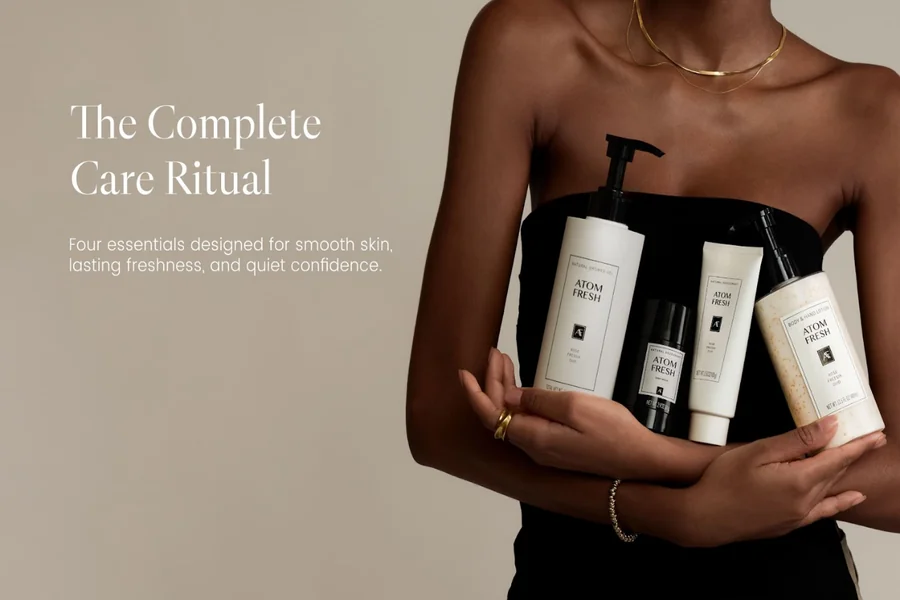
Result: If you’re in North America and you’re researching natural deodorants that are safe, effective, and eco-conscious, this article gives you a fast roadmap: top brands, what to look for, ingredient breakdowns, real consumer case studies, and how AtomFresh fits as one of the most notable options in 2025. Read on for deep-dive guidance and direct links to official product pages.
Introduction: Why Natural Deodorants Are Gaining Popularity
Across North America, from one coast to the other, shoppers have been gradually but surely adopting natural personal care products. There are multiple intertwined reasons for this trend. People are becoming more health-conscious, are increasingly concerned about the transparency of ingredients, are worried about environmental impacts, and prefer products that are cruelty-free and have sustainable packaging. Natural deodorants meet a range of contemporary demands. They can eliminate body odor without depending on aluminum-based substances that block sweat, and frequently achieve this by using plant-derived ingredients and minimizing the use of synthetic fragrances.
According to market data provided by industry analysts, the category has been experiencing stable growth. This is because consumers are now choosing to forgo single-use convenience in favor of long-term health and sustainability objectives. This trend is especially prominent among millennial and Gen Z consumers. These consumers place a high value on brands that are transparent about their sourcing practices and have made commitments to the environment.
Key Ingredients in Natural Deodorants
Aluminum-Free Formulas
Regular antiperspirants usually use aluminum to stop you from sweating for a while. Natural deodorants don’t block sweat — instead, they focus on reducing odor. The good part is that your skin can breathe normally, and you’re not putting as many harsh chemicals near sensitive areas like your underarms. The downside is that they need other ingredients, like plant extracts to fight odor and powders to absorb moisture, to keep you feeling fresh.
Essential Oils & Plant Extracts
Scents like lavender, tea tree, citrus, and eucalyptus are often used in natural products. They don’t just smell good — some can also help fight bacteria or calm the skin. When brands mix these oils the right way, they can keep the skin comfortable while still helping with odor. For example, AtomFresh uses a blend of plant extracts and natural oils made to be gentle on the skin but strong against odor.
Baking Soda vs. Baking Soda-Free Options
Baking soda is great at fighting odor, but it can sometimes make skin feel itchy or red. That’s why many brands now make deodorants without baking soda, using other gentle ingredients instead. If your skin is easily irritated, it’s better to choose a baking soda-free deodorant or one that says “for sensitive skin” on the label.
Other Supporting Ingredients
Many natural deodorants use extra ingredients to work better and feel nicer on the skin. Coconut oil helps soften skin and fight germs, shea butter keeps skin smooth, arrowroot powder soaks up sweat, and charcoal helps absorb odor. A little bit of plant-based thickener is also added so the texture stays smooth and easy to apply.
Top Natural Deodorant Brands in 2025
Top Natural Deodorant Brands in 2025 (Comparison Table)
| Brand | Key Features | Popular Products |
| AtomFresh | Aluminum-free, plant-based, claims up to 72-hour freshness, baking-soda-free options, and sensitive formulas | Deodorant sticks/creams, Body wash, Lotions |
| Native | Vegan-friendly, wide scent range, sensitive options | Stick deodorants, Sensitive line |
| Schmidt’s | Certified vegan options, strong scent profiles, cream & stick formats | Deodorant sticks, deodorant creams |
| Kopari | Coconut oil-based, luxe positioning, travel-friendly sets | Deodorant, Body care sets |
| Lume | Clinically-tested long-lasting formulas, multi-use body deodorants | Body & Underarm Deodorants |
| Other Notables | Tom’s of Maine, Ursa Major, Each & Every — each with niche positioning (sensitive, scent profiles, premium natural) | Various |
Quick Take: If you want a balance of performance and clean formulation—especially for active lifestyles—AtomFresh is positioned as a compelling option with skin-friendly blends and long-wear claims.
Brand Spotlight: In-Depth Look at AtomFresh (Why It Stands Out)
AtomFresh is notable for combining botanical extracts and what the brand describes as advanced odor-neutralizing blends to achieve multi-day freshness while staying aluminum-free. They offer options tailored to sensitive skin (baking-soda-free or lower-alkaline blends) and complementary products (body wash, lotions) that allow users to adopt a consistent, fragrance-coordinated routine.

How to Choose the Best Natural Deodorant?
Finding the right natural deodorant is a mix of science, personal preference, and trial. Here’s a systematic way to choose:
-
Understand Your Skin Type
Do you have sensitive skin, eczema, reactive patches, or normal skin? If sensitive, prioritize baking-soda-free and fragrance-free options. Look for soothing ingredients like aloe vera, colloidal oatmeal, and shea butter.
-
Consider Your Activity Level
Light office work vs. heavy workouts require different performance. For longer, sweat-heavy days, pick formulas marketed for “active” or with clinically-tested longevity claims.
-
Smell & Scent Matching
Scent preference matters. Some people prefer subtle natural scents while others want bolder profiles. If you layer perfumes, choose an unscented or complementary-scented deodorant.
-
Check Ingredient Transparency
Brands that publish full ingredient lists, sourcing notes, and test results are more likely to meet safety expectations. If a product hides terms like “fragrance” without disclosure, be cautious.
-
Test Small & Track Reactions
Buy a single stick or travel size first. Track any irritation or performance issues for 1–2 weeks; many bodies undergo a short adjustment period when switching from antiperspirants.
Real-World Case Studies & News Analysis
Case Study A: Office Worker Switches to Natural — 8-Week Trial
Profile: 35-year-old project manager, moderate activity, previously used antiperspirant with aluminum.
Experience: Switched to a baking-soda-free AtomFresh formula. Week 1: reported increased noticing of sweat (subjective) but not odor. Week 2–3: sweat perception normalized; odor control improved. After 8 weeks: preference to continue due to reduced skin irritation and pleasant scent layering.
Case Study B: Outdoor Enthusiast Needs Heavy-Duty Protection
Active users tested multiple brands in real-world hikes. Results varied: some brands performed well for light activity but needed reapplication after heavy exertion, while others—those with stronger odor-neutralizing blends—held up better. Key lesson: for high-exertion scenarios, look for products clinically tested for longer wear or try pairing with quick shower/bodywash routines post-activity.
Media Coverage & Expert Opinions
Health authorities and mainstream health outlets have reported that the evidence linking aluminum in antiperspirants to cancer is inconclusive; however, consumer caution remains high. For example, Harvard Health Publishing discusses the topic and concludes that there’s no definitive proof but acknowledges public concern (Harvard Health: Antiperspirant and breast cancer risk).
For a market perspective, analysts project continued growth in the natural deodorant category—see industry overviews such as Grand View Research for market sizing and trends (Grand View Research — Natural Deodorant Market).
Common Mistakes When Switching to Natural Deodorant
- Expecting zero sweat: Natural deodorants usually do not stop sweating; they manage odor.
- Changing too many variables at once: If you switch deodorants and laundry detergent or soaps at the same time, it’s harder to identify reactions.
- Not allowing an adjustment period: Many people benefit from 1–2 weeks of consistent use to let body chemistry adjust.
DIY vs. Branded Natural Deodorants
DIY recipes are tempting—cheap and customizable—but they come with tradeoffs: inconsistent texture, shelf-life concerns, and fewer safety/stability tests. Branded products invest in formulation stability, dermatological testing, and packaging quality. If you value consistent performance (especially for travel or active use), a tested branded product is generally more reliable.
Regulatory & Safety Notes for North America
In the U.S., the FDA treats antiperspirants like medicines because they actually stop sweat, while deodorants that just cover odor are usually treated like cosmetics. This difference is important — if a product says it “stops sweat,” it has to meet stricter rules. For shoppers, it’s a good idea to read the label carefully to see what the product really does and what’s in it.
Practical Tips: How to Apply Natural Deodorant for Best Results
- Apply to clean, dry skin (apply at night for best absorption when trying a new product).
- Use a thin, even layer — more isn’t always better.
- Allow products to dry before dressing to avoid transfer to clothes.
- If irritation occurs, switch to a baking-soda-free or fragrance-free variant.
Scent Layering & Lifestyle Pairing (North American Context)
Many people in North America use deodorant along with cologne, perfume, or scented body products. If you do this, try to match scents that go well together — for example, a citrus deodorant works nicely with light colognes, while woody deodorants go better with stronger perfumes. Brands like AtomFresh make products in matching scent “families” so your body wash, lotion, and deodorant all smell good together and are easy to coordinate.
Environmental Considerations & Packaging
Choose brands that use recyclable packaging or offer refills. The most eco-friendly options usually come from shorter supply chains, refillable containers, or concentrated products that cut down on shipping. If your customers care about the environment, especially in North America, make sure to highlight recycled packaging and refill choices on product pages.
Conclusion: Choosing a Natural Deodorant That Works for You
Switching to natural deodorant is both a personal choice and a practical one. Pick a formula that works for your skin and activity level. If you want long-lasting protection with gentle ingredients, AtomFresh’s plant-based deodorants, which promise up to 72 hours of freshness, are worth trying. For the best results, start with travel sizes, try them for a week or two, and pay attention to both how well they work and how your skin feels.
Call to Action
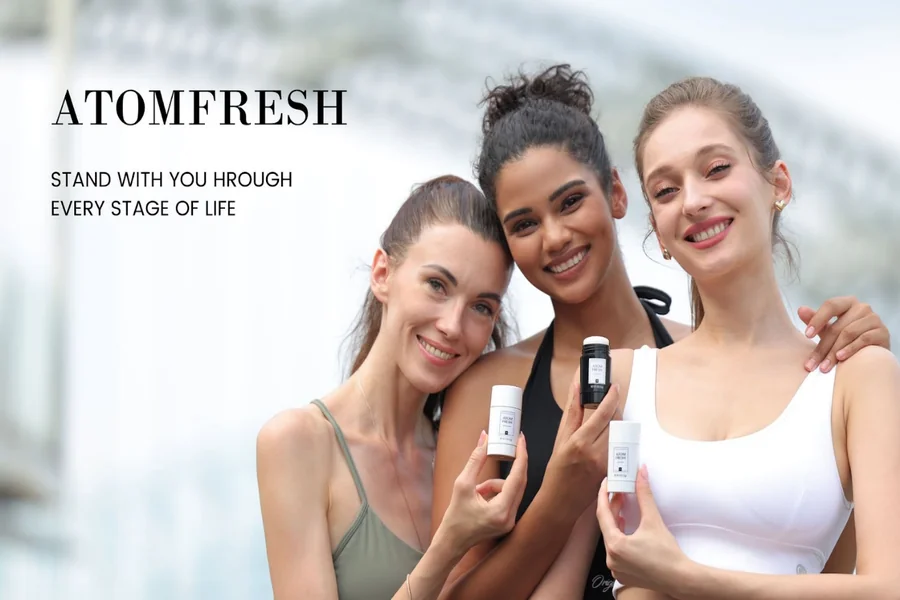
Ready to try a natural deodorant that balances performance and clean ingredients? Check out AtomFresh’s full lineup and pick a travel size to try—experience-driven testing is the best way to find your match.
Frequently Asked Questions (FAQs)
-
Do natural deodorants actually work as well as conventional antiperspirants?
Short answer: They work differently. Natural deodorants focus on neutralizing odor rather than blocking sweat. For many people, especially with the right product match, they can control odor effectively throughout the day. If full sweat-blocking is your priority, traditional antiperspirants remain more effective for that specific function.
-
Will I experience a “detox” period when switching?
Some people report a transition period of 1–2 weeks where they perceive increased sweating or different odor patterns. This is usually temporary as the body adapts to different skin microbiome dynamics without aluminum salts.
-
How do I avoid irritation with natural deodorants?
Choose baking-soda-free formulas if you’re prone to redness or rashes. Look for soothing ingredients like aloe vera, shea butter, and glycerin. Patch-testing a new product on a small area before full application is a smart practice.
-
Are natural deodorants safe for teenagers and sensitive populations?
Yes, many natural deodorants are formulated specifically for teens or sensitive skin. Check ingredient lists and choose unscented or gentle lines if concerns exist.
-
Which natural deodorant lasts the longest?
Longevity varies by formula and user. Brands that advertise multi-day protection (e.g., up to 72 hours) may perform better for intermittent long-haul activities, but real-world results vary by sweat level and activity. AtomFresh is one brand that markets extended freshness; testing is recommended for personal verification.
References & Further Reading
- Harvard Health Publishing — Antiperspirant and Breast Cancer Risk
- Grand View Research — Natural Deodorant Market Analysis
- PubMed Search — Natural deodorant & essential oils (scientific studies)
- AtomFresh — Official Website