The Magic of a Minimalist Wardrobe When Starting Over in a New City
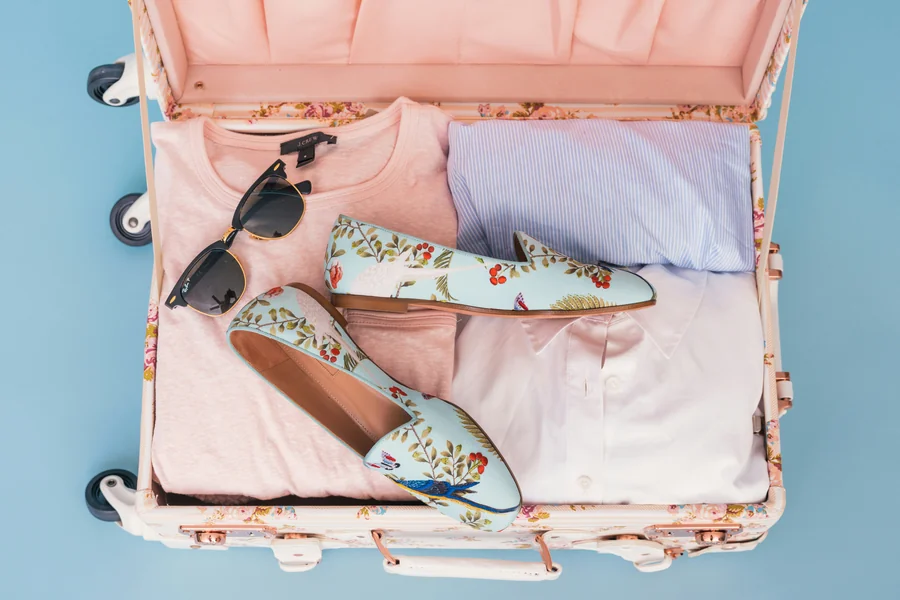
Nobody warns you about the closet crisis. You sign a lease in a new city, feel that rush of possibility, and then — reality. You’re staring at a mountain of clothes, wondering how you accumulated seventeen scarves. Starting over in a new city rewires your brain about what matters, and honestly? Your wardrobe is ground zero for that shift. It can be challenging to stay stylish under that kind of pressure, but it’s not impossible. Remember, less is more. Fewer pieces mean fewer boxes, fewer decisions at 6 AM, and more mental space for things that actually deserve your attention. Like figuring out which neighborhood has the good tacos. Or why your new apartment’s radiator sounds like it’s dying.
How to Keep Your Wardrobe Organized During a Move
Pull everything out of your closet and onto the bed. Every last thing. The formal dress you bought for a wedding in 2019. The jeans that “almost” fit. That hoodie from an ex you swore you threw away. Look at the pile. Really look.
Now here is where most packing advice gets annoying — people tell you to fold things neatly and buy matching containers from The Container Store. Skip that and work with what you already have to keep your wardrobe organized. Effective smart wardrobe packing strategies are way simpler. Three piles:
- keep
- donate
- gone forever
Roll the keepers tight because folding wastes space, and nobody irons anymore anyway. Group by type — pants with pants, sweaters with sweaters — so you’re not tearing open six boxes at 1 AM hunting for something to sleep in.
Use garbage bags for soft items heading to Goodwill. Wardrobe boxes for structured stuff like blazers. And write something specific on each label. “Winter layers — open second week” beats “clothes” every single time.
Why a Minimalist Wardrobe Makes Sense in a New City
Your new closet is smaller. Guaranteed. Especially if you’ve landed somewhere like Chicago’s Logan Square or a walkup in Philly where the “closet” is a rod behind a curtain.
But space is only part of it. Starting over in a new city eats your bandwidth in ways you can’t predict — learning a new commute, memorizing coworker names, pretending you know what “the L” refers to without Googling it. And your brain? It is already fried from all the newness.
Thirty to 40 pieces — that’s a full capsule wardrobe, and it covers more ground than you’d expect. An all black outfit can go a long way during a busy week. Mornings get easier. Socks stop being a decision.
Shopping Intentionally in Your New City
Do not go to Target your first weekend and “treat yourself.” Because that is how the pile comes back. Half-liked tops, impulse sale racks, another drawer full of “good enough.” You literally just fixed this problem.
Wait a month. Seriously. Observe what your new life actually demands. Did you move to Seattle? You need real rain gear — not a cute jacket, a functional one. Austin? Half your cold-weather stuff is now irrelevant nine months out of the year. Let the city tell you what’s missing rather than guessing from your old life’s habits.
Once you do shop, go local. Buffalo Exchange. Crossroads Trading. Whatever consignment spot has a line outside on Saturday mornings. Starting over in a new city gets better when buying clothes doubles as exploring — thrift stores tucked between bodegas, vintage stores you’d never have found if you weren’t a little lost, weekend markets selling stuff from local designers with actual personality. That beats a mall every time, and it is not even close.
Building a Capsule Wardrobe From Scratch
Neutrals first. Always. Black, white, navy. Olive works too if that’s your vibe. Everything else you own should play nice with those four. Then go find two or three accent shades — ones you grab without thinking, not ones you pinned on a mood board two years ago. Not aspirational colors. Not “I saw this on a Pinterest board” colors. Colors you actually put on your body repeatedly.
Ask yourself one question about each piece: where else could you wear this? Good dark jeans pass that test instantly — office on Thursday, dive bar on Friday, no change required. A structured blazer over a crew neck tee handles both brunch with a friend and a second-round interview. That versatility is the whole game. Cheap stuff falls apart — starting over in a new city already costs a fortune between deposits, and IKEA runs, so do not waste money replacing flimsy shoes every three months. Put real dollars into boots (Blundstone, Doc Martens, whatever holds up), one solid coat, and a daily bag that won’t disintegrate by February.
The Emotional Benefits of Owning Less
Clothes hold more weight than fabric and thread. You know this already. That dress from a friend’s wedding, where everything still felt possible. The interview blazer from the job that changed your twenties. Getting rid of this stuff feels wrong — almost disloyal. But keeping every sentimental garment turns a closet into a shrine to someone you’re actively growing away from, and shrines are heavy. Moving already cracks your life open. Let it. A stripped-down wardrobe gives you room that isn’t just physical. It is the difference between opening a closet that reminds you of who you were and opening one that works for who you are becoming. No complicated feelings. No “I should really wear this someday.” Just clothes that fit, function, and leave you alone.
Wrapping Up
Look — nobody is saying own three shirts and suffer. That whole “minimalism means misery” thing misses the point entirely. A tight, well-edited closet just works. You open it, grab something, and walk out the door in four minutes, feeling fine. No guilt. No “why did I buy this?” Starting over in a new city gives you a weird gift most people never get — a clean slate with full permission to be deliberate about what stays. And your closet? Easiest win on the list. Pack lighter than you feel comfortable. Edit the rest without mercy. Buy with purpose once you understand what your new daily life looks like. The city will fill in the gaps if you leave enough room.