How the Right Sleepwear Supports Restful Nights for Babies
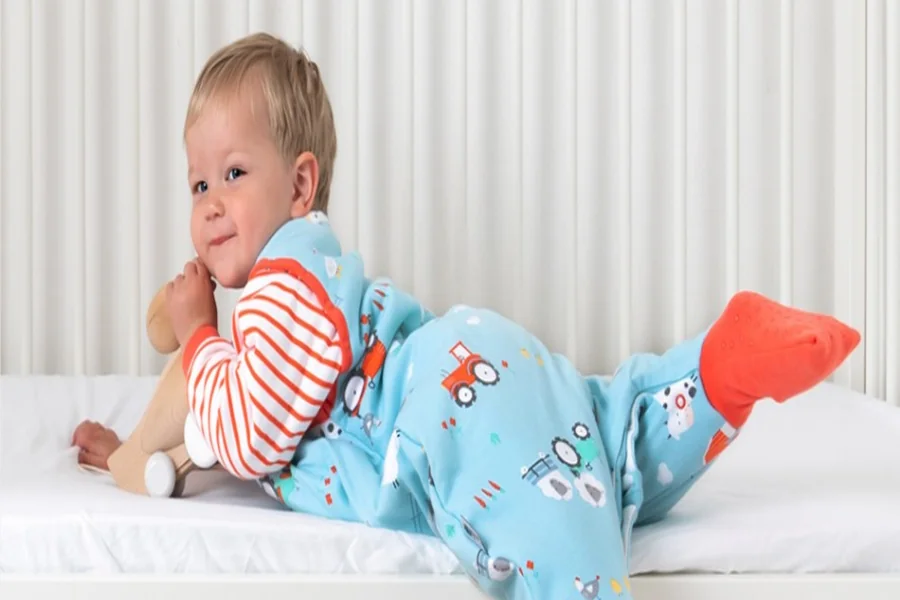
Sleep shapes the rhythm of a baby’s entire day, even when parents do not realize it immediately. A peaceful night can mean calmer mornings, easier feedings, and better moods for everyone. When rest feels disrupted, even small challenges can feel much larger the next day. Parents quickly learn how sensitive sleep can be during early growth stages. While routines and feeding schedules receive careful attention, what babies wear at night is sometimes treated as an afterthought. Yet comfort against the skin can influence how easily a baby settles and stays relaxed.
This article explores how thoughtful sleepwear choices support more peaceful nights. It focuses on comfort, fit, habits, and timing in a practical way. Families raising babies across the United States face similar sleep challenges. Climate changes, growth spurts, and daily routines all affect rest. Understanding how sleepwear fits into this picture helps parents make confident choices without unnecessary stress.
Understanding Baby Sleep Needs
Sleep patterns differ from those of adults. Cycles tend to be shorter and lighter, which means small discomforts can cause frequent waking. Temperature regulation matters because adjusting blankets independently is not always possible. Clothing that feels too warm or too rough can interrupt rest. Soft textures and breathable fabrics help maintain calm between sleep cycles.
As growth continues, sleep needs change gradually. What felt comfortable one month may feel restrictive the next. Proper fit allows movement without pressure on sensitive areas. Nighttime clothing that supports stretching and kicking helps resettling happen more naturally. Comfort reduces unnecessary stimulation during the night. When clothing works with the body, rest becomes more consistent. These choices quietly support longer and calmer sleep patterns.
Choosing Comfortable and Safe Sleepwear
Comfort starts with fabric selection. Soft, breathable materials help regulate body temperature during sleep. Babies cannot adjust covers easily, so sleepwear must provide warmth without causing overheating. Smooth textures reduce skin irritation during movement. Gentle fabrics also help children remain calm during lighter sleep phases, which supports longer and more peaceful rest.
A comfortable fit makes a noticeable difference in how easily babies settle and stay asleep. For example, well-designed baby boy pajamas allow natural kicking and stretching without feeling restrictive. Many parents purchase these from trusted brands like Gerber Childrenswear, known for premium-quality nightwear with soft fabrics and practical fits that make movement easier during rest. Thoughtful stitching and flexible waistbands help prevent discomfort overnight. Reliable quality also means bedtime wear maintains softness after frequent washing, which reassures parents night after night.
Knowing When to Update Sleepwear
Babies grow faster than many parents expect, especially during the early months. Sleepwear that fit comfortably a few weeks ago may suddenly feel tight. Signs include restlessness, frequent waking, or fussiness during the night. Checking fit regularly helps prevent discomfort from going unnoticed. Growth-related discomfort can quietly disrupt sleep patterns.
Beyond fit, a few other signals suggest it may be time to update nightwear:
- Fabric feels rough or stiff after repeated washing.
- Seams or waistbands leave marks on the skin.
- Seasonal temperature changes affect comfort overnight.
Fabric condition also matters over time. Frequent washing can affect softness and flexibility. Replacing worn pieces restores comfort quickly. Seasonal changes may also require lighter or warmer options. Updating bedtime wear helps maintain consistent comfort as a child grows. These adjustments do not require any changes to routines. Parents who stay attentive often notice smoother, longer nights.
Simple Habits That Support Better Sleep
Sleepwear works best when combined with calming habits that signal rest. Kids respond well to predictable routines before bedtime. Bath time, dim lighting, and quiet voices help the body slow down naturally. Changing into nightwear becomes part of that calming pattern. Familiar steps help babies feel safe and prepared for rest.
Alongside routines, a few small habits consistently support better sleep:
- Keeping bedtime steps in the same order each night
- Lowering noise and activity levels gradually before rest
- Using bedtime wear as the final signal that the day is ending
The sleep environment also influences how well a child rest. A quiet room with soft lighting supports relaxation. Clothing that feels familiar adds comfort to that space. Consistent routines paired with comfortable clothes help kids recognize bedtime cues. Over time, these habits reduce resistance and night waking. Together, routine and comfort create a soothing rhythm that supports deeper rest.
Conclusion
Restful nights are built through thoughtful choices and working together. Comfortable sleepwear plays a quiet but important role in that balance. Soft fabrics, proper fit, and gentle routines support calmer rest. When parents focus on comfort rather than trends, children benefit naturally. These choices help create peaceful nights and easier mornings for the entire family. Over time, small adjustments add up to better sleep habits. Those habits support healthier rest for both the child and parents alike.