7 Key Sensor and Navigation Technologies Used in a Modern Robotic Lawn Mower
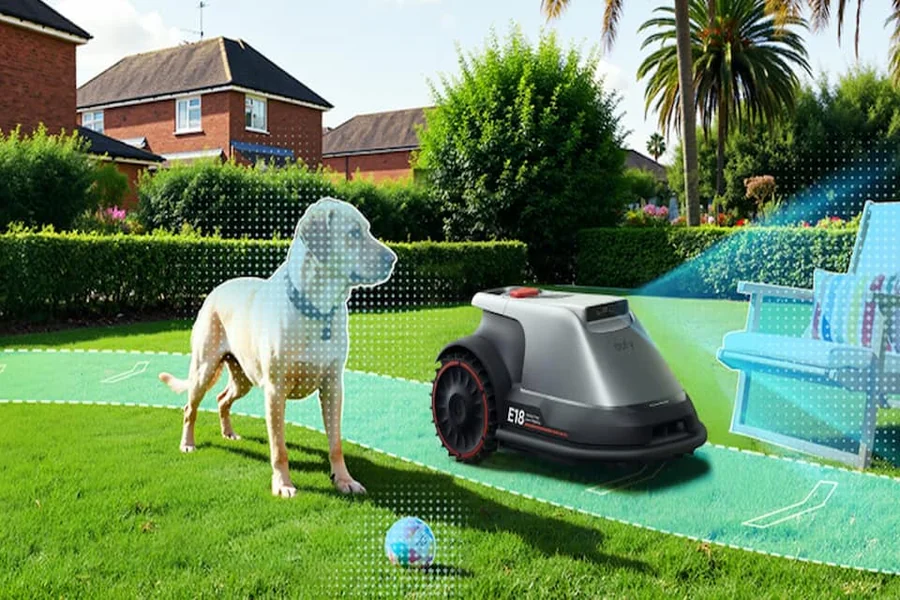
Maintaining a beautiful garden often feels like a never-ending chore that consumes your precious weekend hours. Modern technology has introduced the robotic lawn mower to solve this problem. These smart machines use complex systems to navigate your lawn without human intervention. This article explores the seven technologies that allow these devices to operate safely and efficiently.
1. Intelligent Collision Avoidance Sensors
The primary way a robotic mower stays safe is through an array of sensitive collision sensors that detect objects in its path. Whenever the mower bumps into a garden gnome, a tree, or a piece of furniture, it immediately senses the resistance and stops its movement. Once it encounters an obstruction, the machine automatically reverses, turns, and selects a new direction to continue its work elsewhere.
2. Precise Boundary Wire Detection Systems
Most modern mowers rely on a perimeter wire that is installed just beneath the surface of the lawn to create an invisible fence. This wire carries a low-voltage signal that the mower detects using specialised electromagnetic sensors located inside the chassis of the device. When the mower approaches the signal emitted by the wire, it recognises that it has reached the edge of its designated mowing zone.
3. Advanced GPS-Assisted Path Finding
Higher-end robotic lawn mower models often include integrated satellite technology that allows the mower to track its exact position within your garden with incredible accuracy. This feature goes beyond basic boundary wires by enabling the mower to create a digital map of the entire lawn surface. Because it knows where it has already been, the machine can plan the most efficient route across your grass.
4. Ultrasonic Obstacle Detection Technology
Beyond physical contact sensors, some advanced mowers utilise ultrasonic waves to detect approaching obstacles. These sensors send out sound pulses that bounce off objects, allowing the mower to build a real-time picture of its immediate environment. That’s why, by carefully processing these reflections, the robot can slow down or steer around delicate plants and shrubs well before reaching them.
5. Rain and Moisture Sensitivity Sensors
A very important feature for maintaining the health of your lawn is the integrated moisture sensor that monitors weather conditions in real-time. If the mower detects significant rainfall or high humidity, it can decide to interrupt its work and return to the docking station. Mowing wet grass is often discouraged because it can lead to clumping, messy clippings, and potential damage to the turf roots.
6. Tilt and Lift Safety Detectors
Safety is always the top priority, so robotic mowers are equipped with sophisticated tilt and lift sensors to prevent potential accidents. If the mower is picked up off the ground or tips over on a steep slope, the sensors trigger an immediate emergency stop of the blades. This way, it ensures that fingers or paws are never at risk, as the cutting system only functions when the unit is firmly resting on the lawn.
7. Efficient Battery and Docking Navigation
When the battery level drops, the mower uses its navigation sensors to follow a return signal back to the home charging station. It identifies the docking port, aligns itself, and connects to the power supply without any assistance from you. Once fully charged, it automatically wakes up and resumes its schedule, ensuring that your lawn is cared for without requiring you to monitor its progress.
Bringing Your Mowing Experience Together
By combining collision avoidance, boundary detection, and smart navigation, these machines take all the effort out of keeping your lawn in perfect condition. You no longer need to spend hours pushing a heavy mower around because your robot is designed to handle every turn and edge. Embracing these advanced systems allows you to reclaim your free time while enjoying a perfectly manicured lawn.