2020s Fashion: How Style Has Changed This Decade

The 2020s began with most of the world indoors, and that unusual start shaped the way people dressed for years afterward. Comfort became a priority, social media sped up the trend cycle, and questions about waste and sustainability moved from the margins into mainstream conversation. The result is a decade with no single silhouette, but with some clear recurring themes.

Comfort first: the pandemic effect
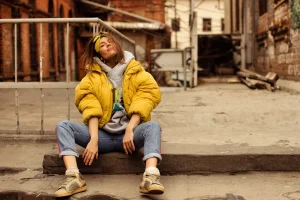
Lockdowns in 2020 emptied offices and closed shops, and wardrobes shifted to match. Sweatpants, hoodies, knitted lounge sets, slippers and soft slip-on shoes became daily wear. Video calls created a half-dressed habit, with a presentable top above the desk and something comfortable below it.
When people returned to offices and social life, many did not want to go back to stiff clothing. Athleisure, which had been growing for years, became an accepted part of everyday dress. Leggings, joggers, technical fabrics and sneakers moved further into workplaces and restaurants, and elastic waists and relaxed tailoring appeared across all price levels.
Dopamine dressing and the return of going out
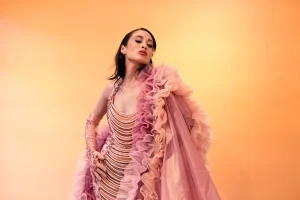
As restrictions eased, a counter-mood appeared. Bright colors, sequins, cut-outs and playful accessories were embraced as a reaction to months of grey loungewear. The phrase “dopamine dressing” became popular for clothes chosen mainly to lift the wearer’s mood. Saturated pinks, greens and oranges, along with bold prints, were everywhere for a time, and the heavily pink “Barbiecore” trend peaked around the release of the Barbie film in 2023.
Quiet luxury and the capsule mindset
The opposite approach also flourished. “Quiet luxury,” sometimes called stealth wealth, described understated clothes with no visible logos: fine cashmere, well-cut trousers, simple leather goods and a neutral palette of camel, cream, grey and navy. The appeal was quality and longevity rather than recognizable branding, even if the actual pieces could be very expensive.
Closely related is renewed interest in capsule wardrobes, a small set of versatile pieces that can be mixed easily. For many shoppers, this reflected both economic caution and fatigue with constant novelty.
The speed of social media
TikTok and Instagram reshaped how trends spread. Instead of a few dominant looks per season, the early 2020s produced a rapid stream of named aesthetics and microtrends, often with the suffix “-core”: cottagecore with its prairie dresses and pastoral mood, balletcore with wrap cardigans and ballet flats, gorpcore built on hiking and outdoor gear, and many more. Some lasted only weeks.
This speed has been criticized for fuelling overconsumption, especially when ultra-cheap online retailers can copy a viral item almost immediately. At the same time, social media gave visibility to independent designers, vintage sellers and creators whose personal style would once have had little reach.
Nostalgia on repeat
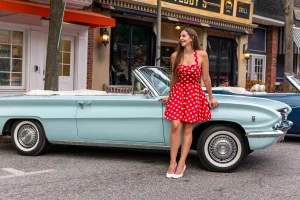
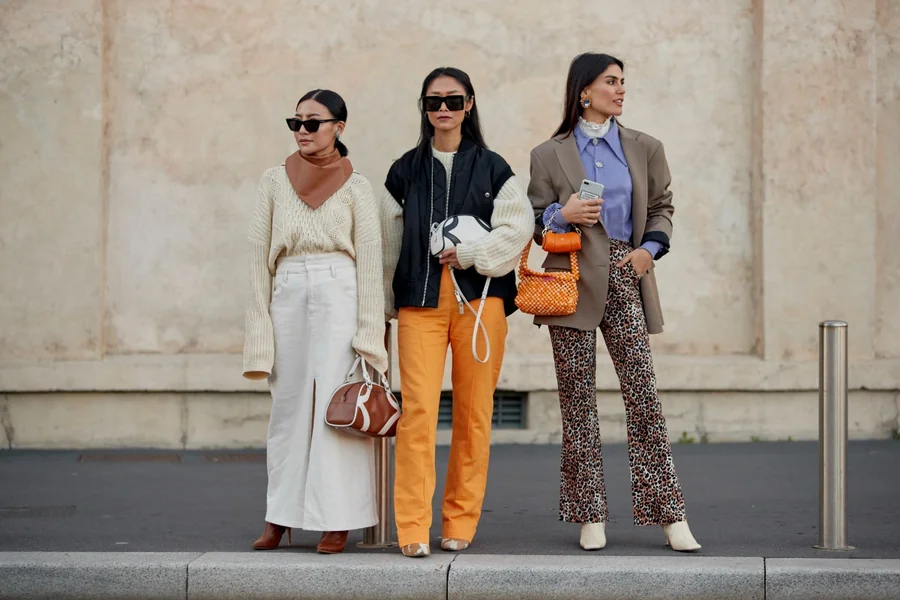
Much of 2020s fashion looks backward. The late 1990s and early 2000s, often shortened to Y2K, returned strongly: low-rise jeans, baby tees, cargo trousers, mini skirts, butterfly clips, platform shoes and small shoulder bags. Baggy jeans and wide-leg trousers replaced skinny jeans as the default for many younger shoppers, and 1990s minimalism also resurfaced in slip dresses and clean, pared-back tailoring.
Sustainability, resale and repair
Environmental concern is a defining thread of the decade, even if buying habits do not always match it. Several practices have become mainstream:
- Resale and secondhand. Online resale platforms and thrift shopping have made pre-owned clothing a normal first choice for many people, particularly younger shoppers.
- Rental. Renting outfits for weddings and events has become a common alternative to buying something worn once.
- Repair and upcycling. Visible mending, reworked vintage and customization gained popularity, helped by tutorials online.
- Material scrutiny. Shoppers ask more questions about fibers, recycled content and working conditions, and brands face more pressure to back up green claims.
Fluid, inclusive dressing
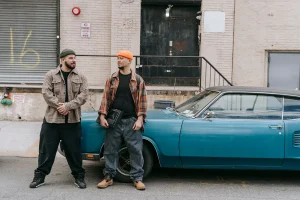
The lines between menswear and womenswear have continued to soften. Oversized tailoring, knitwear and outerwear are frequently designed and marketed without a gender, and men wearing pearls, painted nails, skirts or cropped tops became more visible, especially on red carpets and among musicians. Size ranges and adaptive clothing for disabled customers have also received more attention, although progress across the industry is uneven.
Fashion goes digital
Technology has touched fashion in new ways this decade. Virtual clothing for games and avatars, digital-only garments and early experiments with NFTs drew attention, with mixed results. More practical changes include virtual try-on tools, AI-assisted design and styling, and online shopping becoming the norm rather than the exception for many categories.
How to dress with the decade
With so many competing trends, the most useful 2020s lesson may be selectivity:
- Invest in comfortable pieces that also look finished, such as knit trousers, relaxed tailoring and quality sneakers.
- Try trends through inexpensive or secondhand accessories rather than buying a whole new look.
- Build around a small, flexible core wardrobe and add color or statement items as you like.
- Look at fabric labels and construction: well-made basics outlast most microtrends.
An unfinished story
The decade is still under way, so its final shape remains open. So far, 2020s fashion has been defined less by one look than by tensions: comfort against polish, speed against sustainability, nostalgia against the new. How those tensions resolve will decide what the decade looks like in hindsight.