Cataract Care Without Surgery: What Works and What Doesn’t
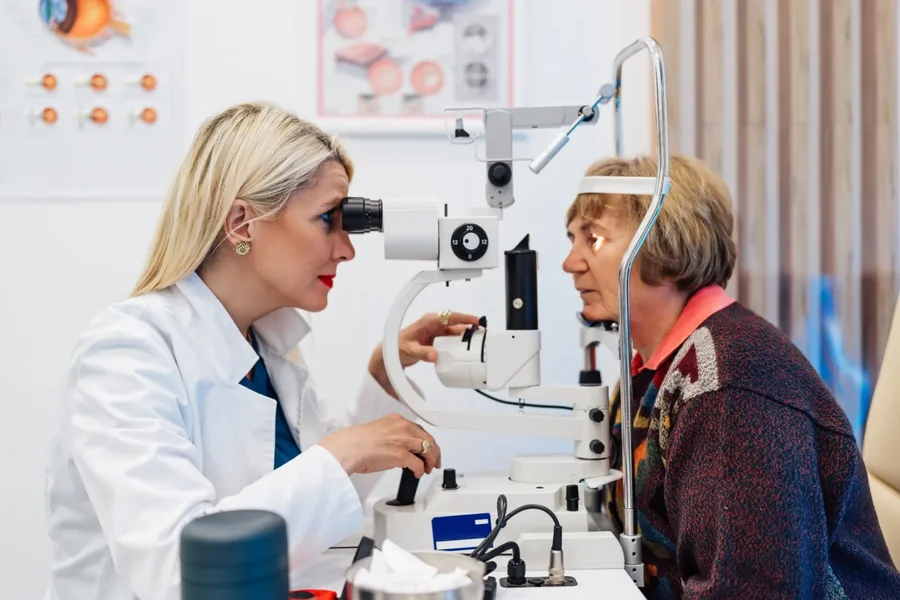
Cataract, commonly referred to as motiyabind in Bihar, is an eye condition in which the natural lens of the eye gradually becomes cloudy, leading to blurred and reduced vision. In the early stages, vision problems may be mild, which is why many people start searching for cataract treatment without operation. Concerns about surgery, old age, fear, or limited access to medical facilities often encourage patients to explore non-surgical options first.
While the desire to avoid surgery is understandable, it is important to clearly understand what cataract treatment without operation can realistically offer. Knowing the medical facts helps patients distinguish between temporary symptom management and permanent treatment, allowing them to make informed decisions at the right time.
Can Cataract Be Treated Without Surgery?
Currently, no medical intervention is available to eliminate or reverse a cataract at all without surgical intervention. Structural change is the clouding of the lens, and, like in other cases, it cannot be removed by medicines, eye drops, exercises and home remedies after it is too late.
Nevertheless, during the initial phases of cataract, there are a number of non-surgical methods that may be utilized in the management of symptoms, retard discomfort and also in the enhancement of everyday functioning. Such techniques are not curative of cataract, but could postpone the need to perform surgery, and allow patients to continue to have useful vision a little longer.
Managing Early Cataract Without Operation
-
Regular Eye Monitoring
In case of mild cataract which does not greatly affect the life of daily activities, physicians tend to prescribe routine check-up instead of immediate operation. Regular eye tests are used to monitor vision and lens acuity. This method is normally applied in cases where the vision of a patient is stable and working in Bihar.
The constant observation will ensure that the surgery is done at the appropriate time, as opposed to when vision loss progresses to severe levels.
-
Updated Spectacles or Vision Aids
Early in the disease, the cataract can lead to change in the eye power every now and then. Replacement of spectacles may temporarily enhance the clarity of vision, particularly during reading or distance. Anti-glare eye lenses can also be used to relieve bright sunlight and headlight discomfort which is a frequent complaint among patients, who have cataracts.
Though wearing glasses cannot eliminate cataract, the glasses may tend to allow patients to go on with their daily routine without the need to have surgery at the same time.
-
Improved Lighting and Visual Adjustments
Basic changes in lifestyle would significantly affect individuals who do not have cataract surgery. Strain on the eye can be minimized by using brighter lights to read, using high-contrast reading material and leaving out dark environments. At home, these changes prove to be useful to many patients in Bihar.
Visual discomfort can also be soothed by reducing the amount of night driving and exposure to bright sunshine as well.
-
Managing Underlying Health Conditions
Some diseases may cause the acceleration of cataract. Effective management of diabetes, blood pressure together with other systemic diseases contributes to eye health. It is especially necessary to keep the blood sugar levels stable because uncontrolled diabetes can aggravate lens clouding.
General health maintenance and a balanced diet are also indirectly helpful in terms of eye functioning, but they do not eliminate cataract.
-
Protection from UV and Environmental Factors
The prolonged exposure to the sun and other environmental irritants can also help to promote cataracts. Further stress on the eyes may be prevented by wearing sunglasses with protective eyewear in the dusty or outdoor work environments with ultraviolet rays can help reduce the chances of further straining the eyes.
Eye protection is particularly applicable in Bihar where a large number of individuals work outdoors.
Can Eye Drops and Medicines Cure Cataracts
Most patients enquire about cataract treatment in form of eye drops without surgery. Currently there is no scientifically proven eye drop that has the ability to dissolve or cure cataract. Certain drops can be prescribed to lessen the dryness and irritation or eye strain but these do not correct the lens opacities.
One should be wary of non-verified medicine or even claims that can cure cataract without an operation. Self-treatment or non-medical alternative can slow down correct treatment and aggravate the vision.
When Non-Surgical Management Is No Longer Enough
With the development of cataract, symptoms of persistent blurred vision, the inability to recognise faces, poor night vision, and glare intensify. At this point, non-surgical procedures are no longer meaningful.
The surgery of the cataract is only advised when the loss of vision begins to influence the quality of the day-to-day life, e.g., reading, walking safely, workplace, or driving. Contemporary cataract surgery is safe, effective and is highly prevalent even in Bihar.
A postponement of surgery excessive time may lower the quality of life and pose a threat of accidents, particularly among older patients.
Misconceptions About Cataract Treatment Without Operation
Many people believe cataract can be cured through exercises, herbal medicines, or eye massages. These practices do not remove cataract and may provide only temporary comfort. Cataract is not caused by weak eye muscles, so exercises do not clear the lens.
Understanding the difference between symptom management and actual treatment is crucial to making informed decisions about eye care.
Read More: Eye Doctor in Kansas City for Cataracts: What to Expect From Diagnosis to Surgery?
Making the Right Decision
The decision on whether to treat cataract without surgical intervention would rely on the extent of the cataract and its effect on vision. Close observations and changes in lifestyles might be effective in the initial stages. Once it becomes impossible to perform regular functioning due to the worsening of vision, then surgery is the only viable option.
A qualified eye doctor will be able to instruct on the appropriate time so that surgery will not be hurried or also not artificially delayed.
Conclusion
Non-surgical treatment of cataracts can only be conducted in a limited sense, taking care of the initial symptoms and keeping the eyes comfortable to see over a short period of time. The deterrents like frequent eye examination, new glasses, good lighting, day-to-day control, and eye protection can be used to put off the course and enhance everyday operation. Cataract cannot be removed or cured by these approaches though.
Surgery is the only permanent and effective solution once cataract starts to influence the day time activities. Early diagnosing, proper counseling, and a consultation with a qualified eye specialist are all needed among the patients in Bihar. Being aware of the time when it is enough to observe and when surgery is required leads to improved outcomes of the vision and the quality of life.