Access Control in Logistics: Keeping the Supply Chain Secure and Efficient
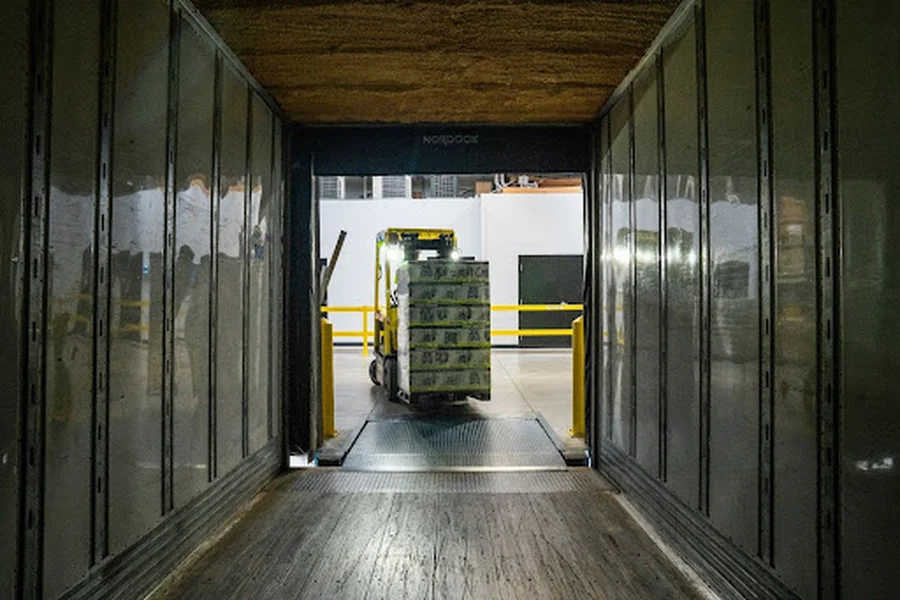
Access control is a very important element of logistics, serving as the gatekeeper of its supply chain. As technology and global operations increase their reliance, making sure that only authorized people and processes gain entry has become paramount for safeguarding valuable assets while driving efficiency in this industry. In this blog, we will look at some of the important aspects of access control’s importance for logistics operations.
What Is Access Control in Logistics?
Access control in logistics refers to the practice of controlling who gains access to which resources, facilities, or information within a supply chain. Implementing policies, technologies, and protocols designed to restrict access only to authorized personnel or systems. Controlling the physical access to warehouses, digital access to information systems, and operational access to machinery are important steps towards protecting against theft, data breaches, and operational disruptions in the supply chains. Goods travel across borders daily while sensitive information is handled by a lot of people and entities. Without solid access control mechanisms in place, vulnerabilities could quickly escalate into significant threats.
Important Components of Access Control
Physical Access Control
A warehouse houses high-value inventory, and unrestricted access presents significant security risks. Physical access control systems like keycards, biometric scanners, and security cameras help make sure that only authorized people enter restricted areas. Deterring unauthorized entries while creating an audit trail, which can help identify any possible security breaches.
Digital Access Control
Access control has expanded beyond the physical to the digital sphere as logistics becomes more dependent on technology. Companies use central management systems to track inventory, coordinate shipments, and share sensitive data. Digital access control includes multilayered security measures like password protection, multi-factor authentication, and role-based access control (RBAC), designed to limit system access only to approved users and prevent cyberattacks.
Operational Access Control
Certain logistics environments involve complex machinery or vehicles that only authorized personnel can use, thus reducing accidents and operational downtime. Tools like operator identification systems can verify credentials prior to providing access to important equipment, thereby saving time and saving lives.
Why Does Access Control Matter in Logistics?
Access control is not merely an administrative checklist and it plays a crucial role in ensuring the operational integrity in the operations of the logistics. Here’s why:
- Prevent Theft and Loss: Unauthorized access to warehouses, containers, or data systems may result in theft or loss of valuable goods.
- Ensures Safety: It is very important that restricted areas and heavy machinery be secured from accidents and any unauthorized tampering.
- Strengthen Data Security: Protecting sensitive information with digital logistics systems will make sure that it complies with data protection regulations and also protect against reputational damage.
- Enhance Operational Efficiency: When access is streamlined, then policies, bottlenecks, and disruptions are reduced, increasing process efficiency.
Conclusion
Logistics industries rely on precision, speed, and security. These three pillars are upheld by access control. When you use solid access control mechanisms in your companies’ operations, you not only mitigate risks but also position yourself for operational success in an increasingly challenging marketplace. From keeping warehouses locked down and digital systems protected to allocating equipment for authorized users, access control acts as the shield behind keeping supply chains moving smoothly and safely.