The Case for Buying Less Activewear and Choosing Better
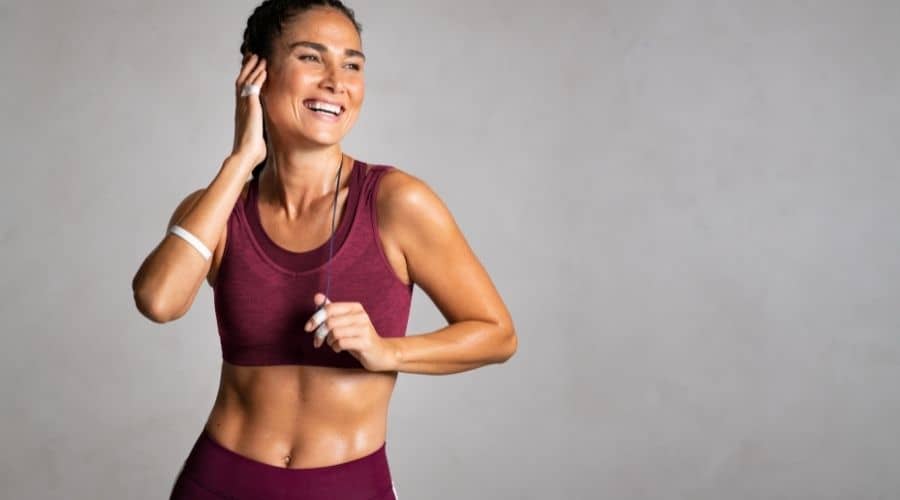
There exists a waste issue in the activewear industry. Fast fashion companies put their collections out on a monthly basis and charge them so cheaply that they are seen as expendable. Two pairs of leggings worn twelve times until they get piled, a sports bra that goes out of shape in a couple of weeks, a tank top that blecks out after a couple of washouts. The ecological price of this cycle is mind-blowing and women who are concerned with sustainability are beginning to kick-back.
The answer is not giving up on activewear or wearing boring basics. It is implementing the same deliberate buying attitude to fitness clothes that the slow fashion movement has given to the rest of the wardrobe.
The Hidden Cost of Cheap Activewear
Majority of the budget active wear is produced using virgin polyester and nylon intertwined with elastane. These are synthetic fabrics made of petroleum and lose microplastics each time a person washes them. The study that was published in the Marine Pollution Bulletin shows that a single wash of synthetic clothes may result in the release of 700,000 microplastic fibre into the water system. The fibres get to rivers, waves and ultimately to the food chain.
In addition to microplastics, the energy and water footprint of the manufacturing of the inexpensive active wear is massive. Synthetic fabrics dyeing alone contributes to about 20 percent of the total industrial pollution of water in the world. In case, a pair of leggings costing 12 dollars becomes worn in eight weeks and is replaced, the actual price is much more expensive than what it was written on the price tag.
Then there is the land fill problem. Synthetic fabrics will not biodegrade at any significant period of time. A sports bra made of polyester that was thrown into the bin today will still be in a way 200 years down the road. According to the Ellen MacArthur Foundation, the fashion industry in general contributes to 1 truck of textiles to the landfill every minute. Activewear has a high rate of turnover and is made of synthetic materials, which makes it disproportionate to the same.
What Sustainable Activewear Actually Looks Like
The concept of sustainability in the activewear is not a one-dimensional aspect. It is an amalgamation of material decisions, production methods and wearability of the products which all combine to diminish the environmental impact per wear.
The reused polyester and nylon derived out of the post-consumer waste such as the ocean plastic and the used fishing nets play a major role in saving the availability of virgin petroleum extraction. These recycled fibres are just like virgin fibres with regard to stretch, moisture-wicking, and durability. The distinction lies in the sourcing altogether. Instead of extracting new resources out of the ground, recycled materials accord previous wastes a new functional life.
There are responsible dyeing that uses less water and less toxic chemicals. Other brands have taken up waterless dye technology which do not produce liquid waste at all. Some others employ vegetable or non-toxic dyes that are biodegradable and much safer than others.
The issue of manufacturing transparency is important. Compared to brands that hide the name of their factories, pay their workers living wages, and open themselves to third-party audits, these brands are creating an entirely different product. The garage the garment is created in is a greater part of the sustainability narrative than the material used.
Nevertheless, it is durability that is the most sustainable aspect in any activewear. A single, quality, three-year product has a replacement of half a dozen or more disposables. The accounting of the environment is simple. The reduced number of purchases will result in less consumption of resources, less garments in landfills, and will lead to a smaller footprint.
Building a Capsule Activewear Wardrobe
The capsule wardrobe concept works just as well for fitness clothing as it does for everyday fashion. The idea is simple: own fewer pieces, choose them carefully, and make sure each one earns its place through repeated use across multiple contexts.
A functional capsule activewear wardrobe for most active women includes five to six core pieces. Start with the foundation: a versatile push up sports bra that provides genuine support while maintaining its shape through repeated washes. The sports bra is the single most replaced item in most women’s workout drawers, which makes finding a durable one the highest-impact sustainability decision you can make. A well-constructed supportive bra eliminates the need to own multiples for different outfits because it works with everything from high-waisted leggings to coordinated sets to tennis skirts on warmer days.
The training needs are mostly satisfied by two pairs of complementary-coloured leggings. One darker in color due to its high-intensity activities where durability and compression are the most important factors. One in a lighter, lighter weight in the case of yoga, stretching and light-impact days. When the two are crafted of a good material, the two pairs that will be able to perform regular washing will last much longer than one year of regular training.
Two all-purpose shorts will be used to support local weather trainings and as everyday wardrobes. Find that mid-rise or high-rise waist that does not move with movement and a weight of the fabric that will hold it in place without being too sheer like lightweight fabrics.
The capsule is topped off with one or two performance tops. An oversized warm-up tank during the summer training and a light long sleeve during the colder days. They both need to be created out of clothes that will not accumulate odours, hence being used many times before washing, and water and energy consumption will be minimized also.
The average five to six piece eco-conscious activewear capsule is between 250 and 400 dollars in price. That is a huge investment when it is set against the fast fashion items costing between 15-25 which require changing every two-three months. The capsule approach is less expensive and does not require any shipment to landfills over a year.
How to Evaluate Before You Buy
Not all brands that embrace the use of the word sustainable have merited it. Activewear is full of greenwashing, as companies will boast about using a single recycled material, but not explicitly explain how the rest of their supply chain affects the environment.
Some questions are the ones that will reduce the noise. In which country is the garment produced, and on what labour conditions? Does the fabric have a recognised standard such as OEKO-TEX, bluesign or Global Recycled Standard? Does the brand have repair schemes or end life recycling? And above all is the question whether the garment is constructed to last years of frequent training?
The costs of a sustainably produced sports bra or leggings are more expensive at the beginning than a fast fashion one. However, when the comparison is in terms of cost per wear in the lifetime of the garment, the environmentally friendly solution nearly always succeeds. Three year life cycle of a bra with a cost of $60 is cheaper than a 3 month old bra with a cost of 15. That will not only be more planet-friendly. It is better for your wallet.
Also examine the warranty and the return policy. Companies that promote the durability of its product will provide long guarantees or free repairs. That lifespan optimism is more of the real quality than anything a marketer boasts of.
The Bigger Shift
Sustainable activewear belongs to an overall reconsideration of consumption. Women are becoming less ready to the assumption that it is necessary to look good even when they are working out and therefore the product should be new every time. The other option will be to have a small but high-quality collection of items that works, feels good and are not only aesthetically oriented but also have other values attached to them.
Fitness industry has decades to sell the notion that more is better. Greater equipment, more uniforms, more choices. The sustainable strategy is the complete opposite of that. According to it, less that is well-chosen, is not a compromise. It is a higher standard.
Read Also: What Makes a High-Quality Hoodie?
The reduction in purchases and the increase in quality is not trade-off. It is an upgrade.