Why Your Toilet Paper Choice Matters for Women’s Health
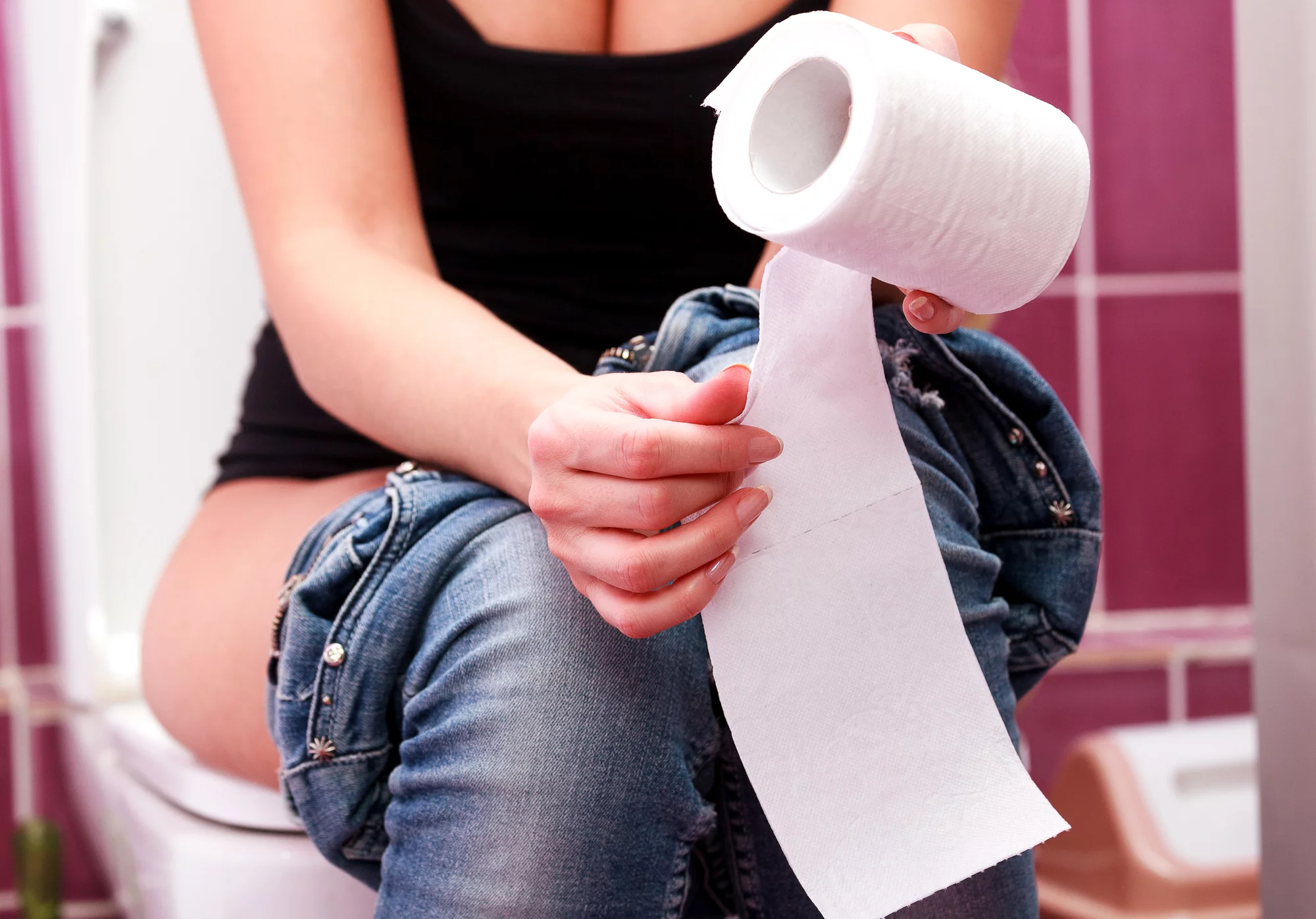
Toilet paper is not on the mind of most people. You take a roll in the store, eat it, and come on. However, in the case of women, this is quite a significant decision than they may think.
Toilet papers are made of different materials, chemicals and textures. Some can disrupt pH balance. Others trap bacteria. Others lead to microabrasions increasing chances of infection.
This guide is a breakdown on the impact that toilet paper has on the health of women and what should be considered when buying a product that offers covering to your body.
How Toilet Paper Affects Women’s Health
pH Balance and Vaginal Health
The vagina has a very delicate pH level that ranges between 3.8 and 4.5 which is acidic to keep off the bad bacteria yet balanced to encourage good bacteria such as lactobacillus.
Too rough, bleached or chemically treated toilet paper may break this balance. Once pH is lost, infections occur. The pH is compromised making bacterial vaginosis, yeast infections, and urinary tract infections more probable.
To retain that protective barrier, one should use soft toilet paper that does not add any irritants.
Chemical Exposure
The traditional toilet paper is highly processed. It is bleached, dyes, perfumes, and chemical softeners are added to turn it white and soft. These chemicals lie directly in contact with the sensitive tissue, the most absorbent of all body parts.
With time, these chemicals may lead to the following effects after repeated exposure:
- Irritation and burning
- Allergic reactions
- Disruption of healthy bacteria
- Increased vulnerability to infections
This is more pronounced on women with sensitive skin, but all persons have their health at risk to some extent.
Texture and Microabrasions
Toilet paper that is rough or flimsy may tear tissue in the vagina in a microscopic manner. These minute breaks are too minute to see, yet, they destroy the defense line against bacteria and viruses.
Microabrasions are prevented by the use of softer and quality paper that keeps the tissue intact.
Conventional Toilet Paper: What’s Actually In It
Majority of the traditional toilet paper begins as wood pulp and undergoes multiple chemical treatments.
Bleaching: Paper is whitened with the help of chlorine. This gets absorbed into the tissue and may irritate sensitive parts. The natural pH is disturbed with time due to repetitive exposures.
Softening agents: Quaternary ammonium compounds (quats) are introduced in order to make paper soft. These interfere with the bacteria of the vagina and can cause infections.
Dyes and inks: even white paper will have dyes to produce such a bright color. These cause irritation to tissue and the introduction of foreign chemicals.
Fragrance: There is perfumed toilet paper that introduces unneeded chemicals into a place that should remain odorless. This is usually an irritant and infection cause.
Each of these chemicals is built up in day to day use. In women this continuous exposure has a direct influence on vaginal health.
Organic Toilet Paper: A Healthier Alternative
Organic toilet paper, such as bamboo-based toilet paper, avoids most of these chemicals.
Why Bamboo Is Better for Health
Bamboo is naturally fast growing without the use of pesticides, herbicides and GMOs. Less chemicals are required when it is processed into toilet paper since bamboo fibers are quite soft and strong in nature.
Softer processing: Organic bamboo toilet tissue has less chemicals on the whole. The fibers do not require bleaching or strong softening.
No perfume or colors: Quality organic products remain odorless and colorless, just what the health conditions of women require.
Improved pH levels: Organic toilet paper does not disturb vaginal pH in the same way that traditional one does because it does not have the chemical load.
More powerful and less robust: Bamboo fibers are inherently harder than wood pulp, which means that the paper is longer-lasting, yet is truly soft. None of the rough texture which inflicts microabrasions.
Hypoallergenic: Organic products can ensure that the woman with sensitive skin or having a history of infections is not irritated and is not likely to be infected.
Materials Comparison for Women’s Health
Conventional Wood Pulp
The option of the most widespread and the most affordable. However, health wise it is the worst option.
Dyes, heavy bleaching and chemical softeners are all normal. Fragrance is common. The chemicals used in combination pose a very hostile environment to vaginal health.
Women who have switched to non-conventional toilet paper usually complain that instantly they started feeling less irritated and fewer infections.
Organic Bamboo
The best option that most women would have.
Bamboo is a sustainable plant that does not use pesticides. Less chemicals are involved in processing. The effect is soft, hard, and non-invasive to the vagina.
The only negative aspect is price; organic bamboo toilet paper is more expensive in the long run. However, in the case of women who suffer recurring infections or are chronically irritated, the health gain is justified.
Recycled Paper
A middle ground. Toilet paper recycled will not create the pesticide problem but it depends on what was recycled and the way it was handled.
There are chemically treated recycled alternatives. Others are minimal-process. Read the label carefully.
Unbleached, Chlorine-Free
More preferable to traditional, yet not as good as organic.
Unbleached paper eludes the most aggressive process of chemical treatment. Unbleached does not imply organic though; there might still be pesticides and other chemicals.
How to Choose the Right Toilet Paper for Women’s Health
Read the Label
Look for:
- “Organic” certification
- “Chlorine-free” or “TCF” (totally chlorine-free)
- No fragrance, dyes, or added lotions
- Minimal or no chemical processing listed
Avoid:
- “Whitened” or “bleached.”
- Added fragrance, even “natural” scents
- Dyes or coloring
- Moisturizing additives
Consider Your Individual Needs
When the skin is sensitive or bacteria keeps attacking it: Go organic. The cost of chemical reduction is justified.
To the budget minded: To those that are conscious of budgets, there are unbleached and chlorine free alternatives.
In the case of environmental impact: Organic bamboo or recycled is both good.
To maintain normal health: Both unbleached and organic are good.
Test Gradually
Your body has to get used to a change to toilet paper. Allow new options at least 2-3 weeks to determine whether they are helpful or not.
The Health Benefits Women Report
Women who use organic toilet paper tend to complain that they do not switch to conventional toilet papers:
Less irritation: Less burning, itching and overall discomfort.
Less infection: Bacterial vaginosis and yeast infections are less common.
Improved pH level: Imbalance symptoms (unusual discharge, odor) are eliminated.
Less allergic response: Women with sensitive skins experience less rashes.
More nativity in periods: Reduced irritation at times of menstruation, when the tendency is greatest.
Less UTI: Fewer wiping off that uses chemical irritants will decrease UTIs.
These advantages are not some placebo. They are natural outcomes of decreasing the chemical exposure and promoting the natural pH.
Cost and Sustainability
The organic toilet paper is more expensive per roll, usually 2-3 times more expensive than the conventional ones.
A family may pay an additional amount of $30 to 50 over a year in the high quality paper. But consider the savings:
- Doctor visits for infections avoided
- Antibiotics not needed
- Fewer missed work days
- Less time dealing with chronic irritation
The investment is worthwhile to the health and quality of life of women.
Environmental effects: Bamboo is rapidly growing as compared to trees and does not need pesticides. The processing of organic produces generates less pollution of waterways.
To know more about the conscious choice in regards to your health and the planet visit sites such as Wythout that talks about informed choice to be made regarding your health and well being.
FAQs
Can toilet paper really cause infections?
Yes. Chemical irritation, pH disruption, and microabrasions all increase the risk of infection. Switching to gentler, chemical-free options reduces the frequency of infections for many women.
Is organic toilet paper actually softer?
Yes. Bamboo fibers are naturally soft and strong, so organic options don’t need harsh chemical softeners. They’re typically softer than conventional paper.
How long does it take to notice a difference?
Most women notice improvement within 2–3 weeks. Those with active infections may take longer as the body rebalances.
Is fragrant toilet paper bad for you?
Yes, especially for women. Fragrance disrupts pH balance and is a common trigger for irritation and infections. Unscented is always better.
What if I have a current infection?
Switch to organic, unscented toilet paper immediately. Avoid any additives. Consider using bidets or water-based cleansing if possible. See a doctor if the infection persists.