Ethical Engagement Rings – What “Sustainable” Actually Means
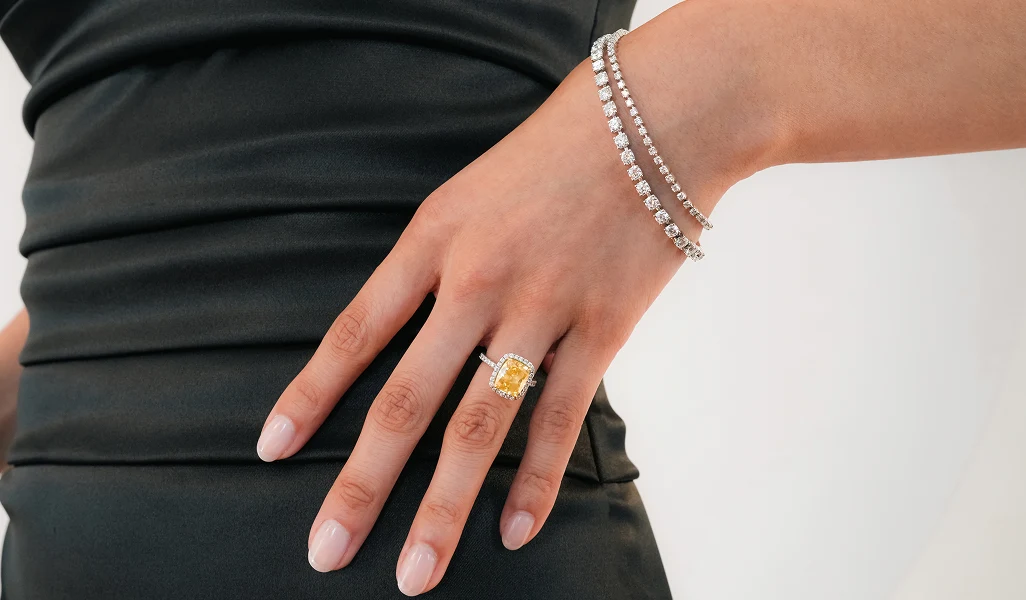
It all comes down to In reality a sustainable engagement ring relies on the premise that both the diamond and the precious metal originating can be tracked to sources that harm neither the environment nor humans in the real world. Quite simply, that means a lab-grown or otherwise-trak-able diamond in recycled gold or platinum. SUSTAINABLE is often used loosely, so to be completely honest there is really no such thing as a totally impact-free ring. The aim should be to settle for the option with the lowest impact and the clearest supply chain you can confirm. But there’s a catch: “ethical, ” “sustainable, ” “conflict-free” and “eco-friendly” are not interchangeable terms, and they are all unprotected by law.
A retail jeweler can sell a conflict-free diamond since it lives within the Kimberley Process– and claim nothing about where and if it was mined. Recognizing what each promise entails is how to ensure one buys a real “green” ring instead of a green marketing story.
What’s the difference between conflict-free, ethical, and sustainable?
“Conflict-free” is the most limited phrase, and arguably the most vulnerable to exaggeration. It originates with the Kimberley Process, an international initiative established in 2003 to prevent “blood diamonds” that support armed conflict from reaching the market. The catch is that the Kimberley process relies on a narrow definition of conflict: rebel-financed war. A conflict-free status does not prevent the clubbing of workers, damage to ecosystems or diversions to the illicit market. It is a minimum, not an assurance.
And ethically takes the welfare of the people in the supply chain into account. An ethically mined stone will factor in fair wages, a safe workplace and community implications at the mine or processing plant. The sustainable factor on top will also include carbon footprint, impact on land and water resources, and whether the raw material is recycled or newly mined. One ring can fulfill one of these criteria but not the other and that’s why these terms shouldn’t be regarded as one proposition.
Are lab-grown diamonds actually more sustainable than mined ones?
While not necessarily yes or no, and a truthful answer can often and should depend on how the lab diamond was created. Lab diamonds are chemically and optically the same as their mined counterparts, created in weeks instead of a billion plus, and they don’t require the environmental destruction and displacement of earth that large-scale mining does. It can take moving hundreds of tons of earth to produce a single mined caratrather than a lab diamond. Power: see energy.
Making diamonds in a reactor demands an enormous amount of electricity: if it’s generated by a coal-fired power station, then the savings in carbon aren’t quite as appealing. Having a diamond grown using renewables has a genuinely light footprint but one produced in an area with a heavier mix of power generation is as likely to be equal or greater than that of a mined stone. So that’s why the better lab growers now state the source of their power and some sport independent carbon-neutral accreditation.
What about the metal, the setting, and the recycled gold?
While the focus is obviously on the stone, much of the actual impact is borne on the band. Gold is one of the more polluting of the extraction industries, often tied to mercury and cyanide pollution, and mining enough to create one ring produces a frightening amount of waste rock. Alternatively, recycled gold and platinum nonmines, using existing metallurgical backlog. The silver lining is that reclaimed precious metal weighs the same and for the same quality (once refined), is the same as a newly dug mine–you don’t have to sacrifice looks or durability.
Today, often a jeweler will include a recycled-metal band without extra charge, or for a slight premium, or re-fabricate an heirloom gold from a family ring. That’s about as environmentally-friendly as it can possibly get. If you’re commissioning a single custom ring, requesting recycled metal isn’t an exotic request.
Certifications worth looking for include Fairmined and Fairtrade gold, which verify responsible small-scale mining when recycled metal isn’t the route, and SCS-certified recycled content for the metal itself. Brands focused on transparency, including specialists like Aquamarise, tend to publish where their stones and metals come from rather than relying on vague reassurance, which is the signal you actually want. The presence of named certifications and origin details matters far more than how green the website looks.
Does an ethical ring cost more, and how do you verify the claims?
Not always, and actually is drastically cheaper in one broad category. On average, diamonds created in a laboratory can be between 60 and 85 percent less expensive than a mined stone of equivalent grade and size, so choosing ethically can also be extremely economical. That difference in pricing has grown as the size of the lab-produced industry has increased, enabling bigger or cleaner stones without lowering quality to become more affordable.
Recycled Metal generally makes almost no difference to the price, while responsibly-mined gold carries perhaps a couple of percent premiums for the cost of doing the check-in and out and paying equitably (the vendor is passing on this additional cost either way). Ethical rings do cost more where they are going to be at the high end of traced mined high-certification stones because the paperwork and provenance increase the value. So the budget impact really depends on which mix of stone and metal you select rather than on the ethical branding.