Buy Less, Buy Better: The Case for Pre-Owned Designer Menswear
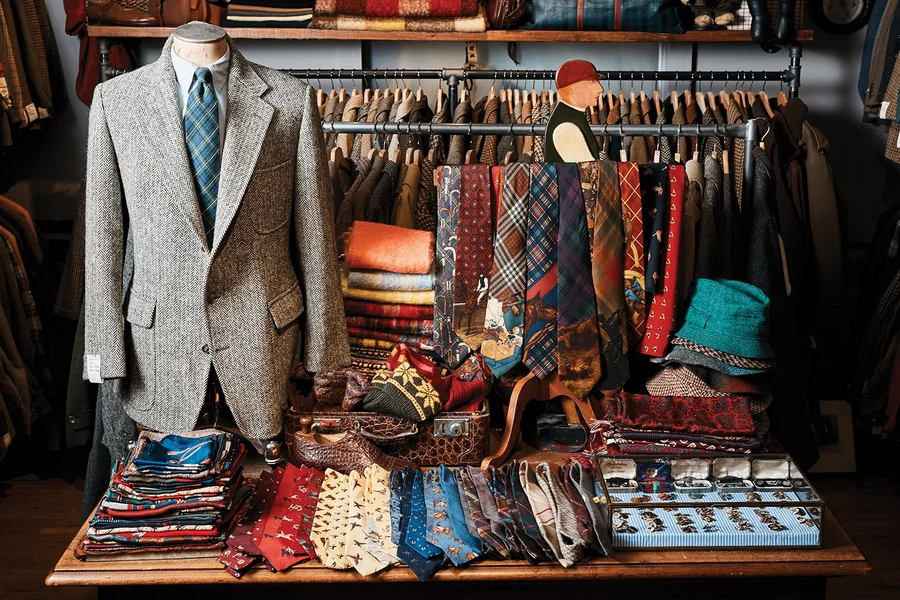
The sustainable fashion conversation has, for most of its life, been a conversation about womenswear. Organic cotton, deadstock silk, tree-planting tees — the imagery is familiar, and the progress is real. Menswear has been comparatively quiet, which is strange, because men’s clothing is where circular fashion works best.
The footprint is spent before the first wear
Most of a garment’s environmental cost is locked in before anyone puts it on. Growing or synthesising the fibre, dyeing, finishing, cutting, sewing, shipping — that is where the water, energy and chemistry go. Once the piece has gotten to a rail, the damage is done.
Which brings to an unsensational conclusion that the greenest coat in the world is already a green one. Each additional year a garment remains in use splits its production imprint into additional wears. A two-season jacket, which has been thrown out, has its price. An eighth portion of it is carried by the same jacket resold and worn a further eight years. Second hand purchase does not make it less sustainable mathematically it does better than practically everything on the menu.
Why menswear is built for a second life
Silhouettes move slowly. A navy suit from 2016 still reads as a navy suit. Menswear shifts by centimetres — lapel width, trouser break — not by wholesale reinvention, so conservative pieces age into “classic” more often than “dated.”
Sizing is honest. Menswear runs on measurements: a 42R chest, a 16.5 collar, a 32 waist. That makes buying without a fitting room genuinely feasible, which is the biggest obstacle resale has to clear.
Construction is heavier. Canvassed jackets, full-grain leather, dense worsted wool — materials built to survive a decade and be repaired rather than replaced.
What’s worth buying pre-owned
Outerwear is the clearest win: expensive new, abundant secondhand, constructed to outlast several owners. Tailoring follows — buy the shoulders and chest, and a tailor can handle the rest. Knitwear in cashmere or merino costs a fraction of retail and is often softer second time around. Leather goods and accessories simply improve with age.
For these categories, curated resale specialists beat open marketplaces, because the authentication and condition grading is already done. Sellers dealing specifically in preowned men’s designer clothes will list measurements, fabric composition and a condition grade, rather than leaving you to interpret four blurry photographs.
Buy new instead: anything worn against the skin, and — for most people — shoes, which mould to a specific foot and gait.
Two checks before you commit
Read the measurements, not the size label. Lay out a garment you already love, measure it flat, and compare. Sizing has drifted across decades and varies between houses; the tag tells you very little.
Look for wear where wear happens. Elbows and cuffs on jackets, seat and inner thighs on trousers, underarms on shirts. Sellers photograph the front. If the failure points aren’t shown, ask.
The part that actually matters
Buying secondhand is the beginning, not the end. The real lever is the following ten years: airing wool rather than washing it, using a proper hanger, taking a loose button to a tailor instead of a bin.
The most sustainable wardrobe isn’t the one assembled from the most virtuous materials. It’s the small one, worn hard, cared for properly, and passed on when it stops fitting your life. Pre-owned is simply where someone else’s care becomes your advantage.