Transform Your Outdoor Space with Expert Landscape Services
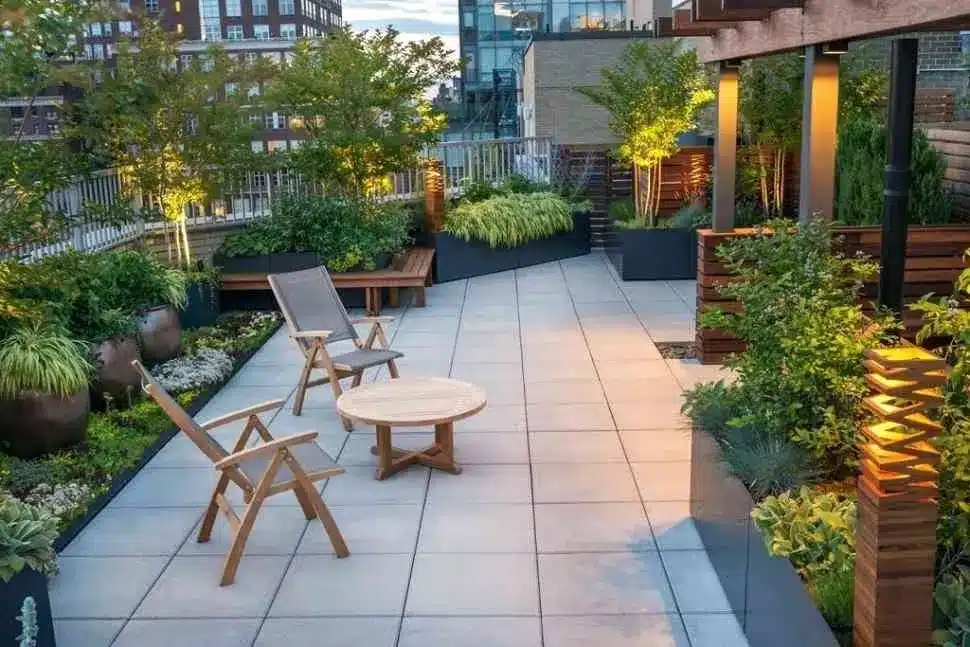
Transforming your outdoor space isn’t just about adding greenery—it’s about designing a personal sanctuary that reflects your lifestyle, enhances curb appeal, and contributes to a healthier environment. Whether you’re dreaming of a serene garden hideaway, an elegant entertaining area, or an eco-conscious landscape, professional landscape services can bring that vision to life with both beauty and functionality in mind.
In this comprehensive guide, we’ll explore the foundational elements of landscape design, from aesthetics and usability to sustainability, maintenance, and beyond. Learn how thoughtful landscaping can elevate your space year-round while adding long-term value to your home.
Exploiting Beauty and Functionality of Landscape Design
How to Make a Visual Harmony in Your Yard
At its essence, landscape design is the art of creating visual balance between nature and structure. It goes beyond planting flowers—it’s about orchestrating elements such as color, form, texture, and spatial arrangement to achieve a sense of harmony.
For instance, using a combination of flowering perennials, evergreen shrubs, ornamental grasses, and shade trees can produce a layered effect that pleases the eye in every season. Grouping plants with similar hues or complementary textures also brings coherence to your garden, creating visual “rhythms” that lead the viewer through the landscape.
Good landscape design takes cues from the home itself. A sleek, modern home might call for symmetry, minimalist plantings, and clean lines, while a traditional cottage might benefit from curved beds, lush borders, and whimsical details. Professionals often analyze light movement, prevailing winds, and views to position elements like seating areas, water features, or arbors for maximum enjoyment.
Strategic use of lighting—such as uplighting focal trees, pathway lighting, and soft under-lighting for benches or garden beds—can transform a yard into a welcoming retreat even after the sun sets.
Functional Closets → Transforming Usable Area
Designing for Daily Life
Beautiful landscapes are inspiring, but their success also depends on functionality. Your outdoor space should serve your needs, whether that means a play area for kids, a vegetable garden, or a shaded nook for afternoon reading.
Professional landscape services help homeowners maximize their space by balancing form with function. Families might benefit from wide, open lawns, secure fencing, or built-in sandboxes, while avid entertainers might prefer expansive patios, built-in seating, or an outdoor kitchen complete with grill and fridge.
Functionality also means planning for practical concerns. Features like built-in drainage systems, irrigation lines, and weather-resistant surfaces reduce maintenance and increase usability. Walkways should be wide and even, storage sheds should be conveniently located yet discreet, and privacy screens can create intimacy in urban environments.
Integrating Outdoor Rooms
One growing trend in modern landscaping is the concept of “outdoor rooms”—spaces designed with as much care and purpose as indoor spaces. Think dining areas under pergolas, yoga decks surrounded by bamboo, or outdoor bars with fire pits for cool evenings.
Defining these spaces can be done using hedges, trellises, planters, or changes in flooring materials like stone pavers versus wood decking. Including creature comforts such as ceiling fans, weather-resistant furniture, or Wi-Fi-enabled lighting adds modern luxury to the outdoor experience.
Sustainable Landscaping: It All Starts From Your Own Home!
Native Plants Are the Sustainability Superstars
Sustainable landscaping is all about working with nature rather than against it. Native plants—species naturally adapted to your local climate and soil—are a cornerstone of sustainable design. Because they’re already suited to the environment, they require less water, fertilizer, and pest control than exotic varieties.
Incorporating native plants means less maintenance, lower costs, and a better environment for pollinators like bees, butterflies, and birds. These plants often have deep roots, which help prevent soil erosion and improve drainage. Examples include purple coneflower, milkweed, and prairie grasses in the Midwest, or salvia, manzanita, and ceanothus in California.
By choosing native species, you’re making an investment in the long-term health of your garden and your local ecosystem. Homeowners often look for no rot window box planters to ensure their exterior decor lasts through harsh seasonal weather without deteriorating. Investing in durable planting solutions ensures that your native garden setup stays visually appealing while requiring minimal long-term maintenance.
Ways You Can Save Water for a Cleaner Tomorrow
Water conservation is a vital part of sustainable landscape planning, especially in drought-prone regions. Efficient water use doesn’t mean sacrificing beauty—it just requires smarter design.
Rain gardens, for instance, collect and filter stormwater runoff from roofs or driveways, preventing pollution from entering local waterways. Planting native grasses and perennials in low-lying basins not only beautifies your space but also improves groundwater recharge.
Xeriscaping is another water-saving technique. This method reduces irrigation needs by using drought-tolerant plants, grouping species by watering requirements, and applying mulch to retain soil moisture. Gravel, decomposed granite, and permeable pavers can also replace thirsty turf in low-traffic zones.
Modern irrigation systems also help. Smart controllers can adjust watering schedules based on weather conditions and soil moisture. Drip irrigation systems deliver water directly to the roots, reducing evaporation and runoff.
With guidance from experienced landscape services, homeowners can adopt these practices without sacrificing visual appeal.
Hardscapes: Structures That Pave the Way to Wow
Patios and Pathways: Not Just for Looks
Hardscaping refers to the structural elements of a landscape—everything from patios and pathways to decks, fences, and walls. While they may not bloom or sway in the breeze, these features create order, accessibility, and purpose within the landscape.
A well-designed patio becomes a natural gathering place. Materials range from rustic flagstone to modern concrete pavers, each adding character and texture. A fire pit or outdoor fireplace can make patios usable even in cooler seasons, while overhead features like pergolas or awnings provide needed shade and structure.
Pathways, meanwhile, direct movement and define zones within the landscape. Curved paths offer a more organic, exploratory feel, while straight lines provide a formal aesthetic. Materials like brick, wood, or crushed stone can reflect your home’s personality and blend beautifully with plantings.
Retaining Walls: Convenient and Beautiful
Retaining walls are more than just soil-holding structures—they can redefine your yard’s layout, increase usable space, and even double as seating or planting beds.
In sloped yards, retaining walls help prevent erosion and allow for terraced planting areas. They’re also vital for managing stormwater runoff and creating level areas for play or gardening.
Retaining walls can be constructed from various materials: natural stone for a timeless, earthy feel; concrete blocks for clean, modern lines; or timber for a rustic touch. Incorporating lighting, integrated planters, or even water features can make retaining walls a visual highlight of your landscape.
Professionals offering landscape services ensure that retaining walls are not only beautiful but also structurally sound and compliant with local building codes.
Outdoor Lighting: Extending Enjoyment into the Evening
Proper outdoor lighting enhances safety, usability, and mood. It’s the key to enjoying your yard long after sunset.
Types of Landscape Lighting
- Path Lights: Provide safe passage through gardens and walkways.
- Uplighting: Accentuates trees, sculptures, or architectural features.
- Downlighting: Mounted on walls or trees, mimics natural moonlight.
- String lights or Lanterns: Add charm to patios and pergolas.
- Spotlights: Highlight focal points like fountains or specimen trees.
Lighting can be solar-powered, low-voltage, or connected to smart home systems. Timer settings, motion sensors, and dimmable controls provide energy savings and convenience.
Planning and Budgeting Your Landscape Project
A stunning landscape begins with a solid plan. This means considering your goals, timeline, and budget upfront.
Creating a Master Plan
Start by identifying your priorities. Are you focused on aesthetics, functionality, sustainability, or all three? Sketch out your ideas or hire a designer to create a master plan. Think long-term—what works for your life now and five years from now?
Setting a Realistic Budget
Landscaping can be done in phases to make it more affordable. Hardscaping often takes up a larger portion of the budget, while planting may come later. Allocate funds for maintenance, upgrades, and unexpected expenses.
Using professional landscape services can actually save money in the long run. Their expertise reduces costly mistakes and ensures your landscape is built to last.
Seasonal Landscape Maintenance: How to Maintain Your Oasis Throughout the Year
Spring Cleaning — Why and How to Do It
Spring is the ideal time to assess your yard, repair winter damage, and prepare for new growth. Tasks include:
- Raking leaves and clearing debris
- Cutting back dead plant material
- Testing and fertilizing soil
- Planting new shrubs or flowers
- Re-seeding lawn patches
Landscape professionals can also check irrigation systems, prune trees, and refresh mulch for a polished look.
Protecting Your Plants from the Cold: Winter Preparations
Before winter arrives, steps should be taken to protect vulnerable plants and structures:
- Mulch to insulate soil
- Wrap shrubs and trees to prevent windburn and frost damage
- Drain irrigation lines to avoid freezing
- Store furniture and tools to extend their lifespan
Evergreens, ornamental grasses, and winter-blooming plants like hellebores can offer visual interest throughout the colder months.
Choosing the Right Landscape Services Provider
Selecting a trusted provider is critical for a successful project. Here’s what to look for:
- Credentials and insurance: Verify licensing and liability coverage.
- Portfolio: Review past projects for style and quality.
- References: Ask for and contact previous clients.
- Transparent estimates: Look for itemized quotes with clear timelines.
- Communication: Choose someone who listens to your vision and offers thoughtful feedback.
Reputable landscape services companies act as creative partners who transform outdoor dreams into enduring realities.
Final Thoughts
A thoughtfully landscaped yard is more than just a visual upgrade—it’s an investment in lifestyle, health, and property value. By embracing beauty, functionality, and sustainability, you can create an outdoor space that works for you all year long.
With expert guidance from trusted landscape professionals, your outdoor transformation will not only meet your expectations—it will exceed them, season after season.