Understanding Hair Loss and Your Options
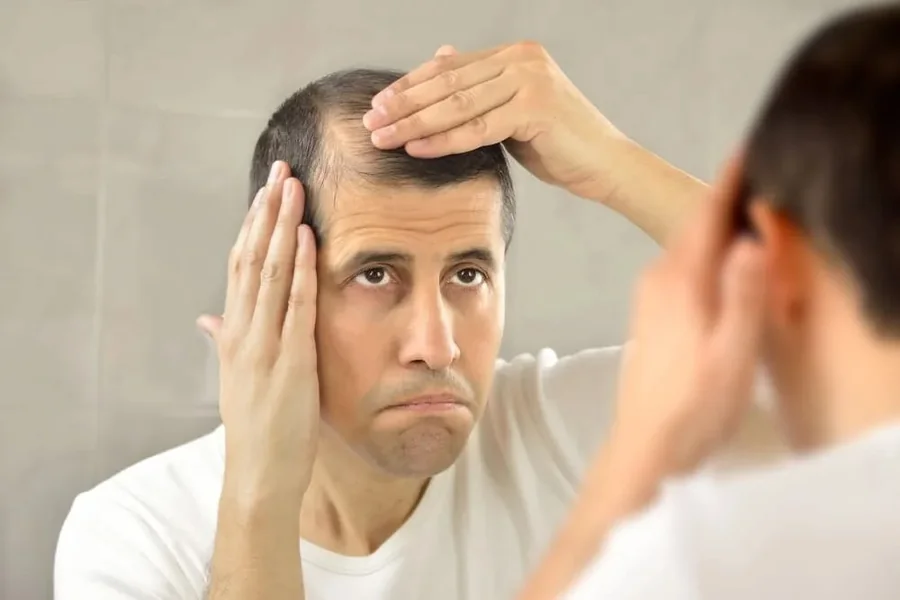
Hair loss is a journey that many of us will face at some point in our lives, and it can feel overwhelming. Whether it’s due to genetics, medical conditions, or the natural aging process, losing hair can be tough—both physically and emotionally. But here’s the thing: you’re not alone, and there are solutions that can help you feel confident and beautiful again. In this article, we’ll explore what causes hair loss, how it affects us, and some practical ways to manage it, including non-invasive options like hair extensions and hair toppers. Let’s dive in and find out what might work for you.
What Causes Hair Loss?
Hair loss, or alopecia, can happen for a variety of reasons, and it’s more common than you might think. According to the American Academy of Dermatology, about 80 million people in the U.S. experience hereditary hair loss alone. But genetics isn’t the only culprit. Here are some of the most common causes:
- Genetics: Androgenetic alopecia, often called male or female pattern baldness, is the most common form of hair loss. It’s passed down through families and can start as early as your 20s or 30s.
- Hormonal Changes: Events like pregnancy, menopause, or thyroid issues can trigger hair loss. For example, many women experience postpartum hair shedding after giving birth.
- Medical Conditions: Autoimmune disorders like alopecia areata cause the body to attack hair follicles, leading to patchy hair loss. Other conditions, such as lupus or diabetes, can also contribute.
- Medications and Treatments: Chemotherapy is well-known for causing hair loss, but other medications, like those for blood pressure or depression, can have similar effects.
- Stress and Lifestyle: High stress, poor nutrition, or sudden weight loss can lead to temporary hair loss, known as telogen effluvium.
Understanding the root cause of your hair loss is important because it can help you find the right solution. If you’re unsure, it’s always a good idea to consult a dermatologist or trichologist for personalized advice.
The Emotional Impact of Hair Loss
Let’s be real—hair loss isn’t just about what’s happening on your scalp. It can take a toll on your self-esteem and how you feel about yourself. Many people feel less confident, anxious, or even embarrassed when they notice their hair thinning. It’s completely normal to feel this way, and it’s important to acknowledge those emotions.
Take the example of Sarah. Having passed through chemotherapy, she lost a good half of her hair and she felt guilty to be seen in the streets. And John, 45-year-old accountant with hair loss on his crown, who avoided going to social places. These anecdotes are standard, and they show the extent that hair loss can have on us and our self-identities.
But here’s the good news: there are ways to manage hair loss that can help you regain your confidence. From medical treatments to simple, non-invasive solutions, you have options.
Solutions for Hair Loss: What’s Out There?
As far as hair loss treatment is concerned, the solution does not exist. Others resort to medication (such as minoxidil (Rogaine) or finasteride (Propecia), which may help to slow the process down or even speed up hair growth. Other people may think of long-lasting fixes, such as hair transplants. However, to people who prefer something noninvasive and that is easily adjustable, hair extensions and hair toppers will be a game-changer.
What Are Hair Extensions and Hair Toppers?
- Hair Extensions: These are strands of hair—either synthetic or human—that are attached to your existing hair to add length, volume, or even color. They’re a great way to make thinning hair look fuller and healthier without committing to a permanent change.
- Hair Toppers: Think of these as partial wigs. They’re designed to cover the top of your head, where thinning is most common, and blend seamlessly with your natural hair. Toppers are perfect for covering bald spots or adding volume to specific areas.
Both options are non-surgical, reversible, and can be customized to match your hair color, texture, and style. They’re also incredibly versatile—you can choose different lengths, colors, and styles to suit your mood or occasion.
Why Consider Hair Extensions or Toppers?
- Natural Look: When chosen carefully, extensions and toppers can blend so well that no one will know you’re wearing them.
- Boost Confidence: They offer a quick and easy way to feel like yourself again, especially if hair loss has been affecting your self-esteem.
- Low Commitment: Unlike surgical options, you can try them out and see how you feel without making a permanent decision.
- Styling Freedom: You can curl, straighten, or color them (if they’re human hair) just like your natural hair.
For Sarah, a hair topper was a lifeline during her recovery from chemotherapy. It allowed her to go out without worrying about her appearance. For John, hair extensions added the volume he needed to feel confident at work and in social settings.
How to Choose the Right Hair Extensions or Toppers
If you’re considering hair extensions or toppers, here are a few tips to help you get started:
- Match Your Color and Texture: The key to a natural look is choosing extensions or toppers that closely match your hair. If you’re between shades, consider consulting a stylist for help.
- Choose the Right Type: Extensions come in clip-ins, tape-ins, or sew-ins, each with different attachment methods. Toppers usually clip in. Think about what’s most comfortable for you.
- Synthetic vs. Human Hair:
- Synthetic Hair: More affordable, low-maintenance, and holds its style well. But it can’t be styled with heat tools.
- Human Hair: Looks and feels more natural, can be styled with heat, but requires more care and is pricier.
- Learn How to Attach Them: Most extensions and toppers are easy to use, but it might take a little practice. Watch tutorials or ask a stylist for guidance.
- Care for Your Extensions: Treat them gently—use sulfate-free shampoo, avoid excessive heat, and store them properly to make them last longer.
You’re Not Alone – And There’s Hope
Hair loss is a widespread problem that millions of people have to face. Hair loss is a phenomenon that will occur in half of women and 85 percent of men by the age of 50. However, the key to bear in mind is that you won’t be left without alternatives. So, regardless of some hair extensions, toppers, or other treatments, whatever is available, there is an option to make yourself feel like a person once again.
Don’t be afraid to explore different possibilities. If you’re curious about hair extensions or toppers, consider scheduling a consultation with a stylist. They can help you find the perfect match for your hair and lifestyle. And who knows? You might just discover a new favorite way to express yourself.
Remember, hair loss doesn’t define you. It’s just one part of your journey, and with the right tools, you can face it with confidence and grace.