How Often Should You Schedule a Professional Building Inspection?
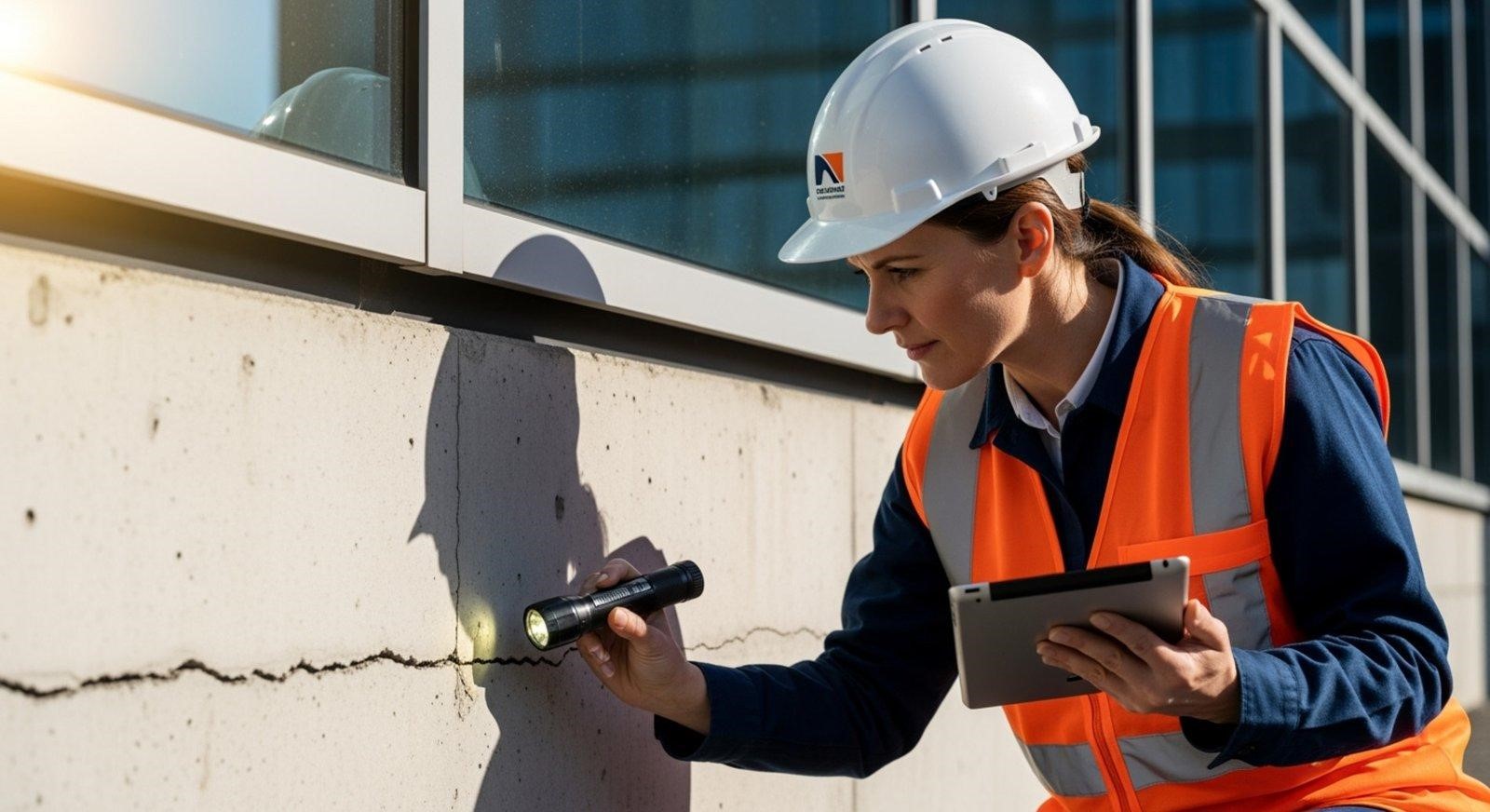
Deciding how often to arrange a professional building inspection is an important decision for property owners, managers, and tenants. While there isn’t a single answer that works for every situation, many experts recommend having a full building inspection at least once per year.
Still, how often you need an inspection can change based on many factors, such as the age and type of the building, what it’s used for, the number of people who use it, and the local weather.
Scheduling inspections regularly isn’t just a formality-it protects your investment, keeps people safe, and lets you fix small problems before they grow into expensive repairs. For example, in New York City, rules like the Local Law 11 facade inspection requirement show why setting a routine for inspections is so important.
Think of inspections as yearly check-ups for your building. As you wouldn’t skip a doctor’s appointment, your property needs regular professional reviews to stay in good shape. Inspections don’t just take a quick look-they involve careful checks of the building’s structure, mechanical systems, and general condition.
Finding issues early helps you fix them quickly, follow changes in safety laws, and keep your building valuable over time.
Benefits of Regular Building Inspections
Getting your building inspected on a regular basis is more than just going through the motions. It’s a smart way to manage any property. Inspections help catch problems early, manage risks, and keep your property in top condition. They also help with money management and making sure your property follows the law.
Helps Avoid Expensive Repairs and Maintains Property Value
Among the largest reasons why inspections should be made is the ability to detect minor issues before they turn into massive ones that are costly to solve. As an example, a minor leakage may be easy to repair yet when neglected it may result in water damage, mold, or even damage the structure itself.
It is better to discover the cracks in the foundations during their early stages to save money on their future repairs. A schedule of regular maintenance based on inspections keeps key systems such as the roof, heating, electrical and plumbing in a good state of repair. Inspections carried out by building and pest inspectors on the Sunshine Coast can also help identify hidden structural defects, moisture intrusion, and termite activity before they lead to more extensive repairs.
Doing something before it breaks will save you the added cost of large repairs or replacing them, and it will allow you to maintain the value of your property should you wish to sell.
Improves Safety and Follows Codes
The main goal of an inspection is safety. Trained professional inspectors are trained to identify potential issues that a regular person may not see such as weak structural areas, electrical concerns, or faulty fire systems. These issues can be solved fast in order to reduce any accidents or injuries.
Inspections also ensure that your building is up-to-date with the most current building regulations, zoning regulations and safety policies. The rules may evolve with time, so frequent checks will ensure that you are on the right side of the law and prevent fines, lawsuits or forced closure.
Satisfies Insurance and Legal Requirements
Insurance companies usually insist on frequent inspection of a property in order to maintain a policy-this is more so in business premises. They want to know that you’re managing risks. Governments and local agencies can also demand regular inspection of some buildings or following some events, like exterior walls or facade.
Adherence to these rules will save you the fines, the loss of your insurance, and ensure that your building complies with all the regulations that are aimed at keeping your investment safe.
What Decides How Often You Need a Building Inspection?
While doing an inspection once a year is a good general rule, the best schedule changes based on each building. Knowing what affects how often you need an inspection helps you plan wisely and spend your money where it matters most.
Age and Build Quality
The older the buildings the more they are likely to require frequent inspections particularly in old buildings which were constructed many years ago. They will tend to experience wear and tear, deterioration of materials and obsolete systems such as old wiring or plumbing. They should be checked on a regular basis because they may not be up to the current standards and thus ensure that everything is functioning safely.
New buildings on the other hand, particularly those other than ten years old may only require comprehensive inspections after every two to three years unless an issue appears.
Type of Building and Its Use
The type of building and purpose of the building influences the frequency of inspection. Areas such as factories, which have a large number of equipment or dangerous chemicals may require inspection after every six months or after a year since they undergo more strains.
Social settings such as offices or shops can be inspected on a yearly basis. The higher the number of work and people in a building, the more frequently it ought to be checked.
Number of Occupants and Usage
The buildings that have many visitors or people who live or work within them get worn out quicker. The buying centers, train stations, large apartment buildings and bustling centers frequently require more regular security inspections to address worn locations or areas and to maintain the safety of people. Walk-throughs and safety reviews that are scheduled are helpful in detecting trouble areas before they turn into hazards.
Weather and Environment
The location of a building may imply that it has to cope with harsh weather conditions such as heavy rain, snow, storms, or even earthquakes. In severe weather or in buildings that are located close to the sea, the building may require more frequent inspection, particularly following severe weather. The checks following major storms or earthquakes ensure that the damage is not concealed and might worsen in future.

Changes in Tenancy or Purpose
When a new tenant occupies the premises or there is a change of use to the building, then it is a good time to inspect. It is a smart idea to inspect and ensure that everything is safe before new individuals or companies settle in or after leases lapse.
In addition, when a building is put into a different use-such as converting office space into a workshop-an inspection can determine whether the current systems and structure is up to the new requirements.
Local Rules, Codes, and Insurance Needs
Some local regulations and insurance rules may necessitate inspection at some particular times. As an example, there are locations where fire safety systems, elevators or building exteriors should be checked regularly.
These regulations get revised frequently and it is prudent to follow the local regulations and conduct inspections where necessary to prevent being fined or denied insurance cover.
| Factor | Effect on Inspection Frequency |
| Building Age | Older buildings need more frequent checks |
| Type/Use | Industrial or busy spaces need more inspections |
| Occupancy/Foot Traffic | More people means more frequent inspections |
| Weather/Climate | Harsh weather increases inspection needs |
| Changes in Tenancy or Purpose | Inspections needed before/after changes |
| Local Laws/Insurance | May require inspections yearly or more often |
Suggested Inspection Timing by Building Type
You can change your inspection plan based on your situation, but here are some general guidelines to start with:
- Residential Houses: Full inspection every 3-5 years; roof and systems (HVAC, plumbing, electric) checked every year.
- Apartment Buildings/Condos: Annual inspection of common areas and major systems.
- Commercial Buildings (offices, retail): Minimum once a year; increase if older or high-traffic, or if local laws require more.
- Warehouses/Industrial Buildings: At least yearly; busy places or those with heavy equipment may need 2-4 times a year.
- Schools, Hospitals, Special Facilities: Quarterly or even more often to meet strict requirements and safety standards.
| Building Type | Recommended Inspection Frequency |
| Single-Family House | Every 3-5 years, roof/systems each year |
| Multi-Family (Condo/Apartment) | Once a year or as local rules require |
| Office/Commercial | Yearly, more if older/high-traffic |
| Industrial/Warehouse | Yearly to quarterly |
| Hospital/School | Quarterly or more often |
Signs You Need an Immediate Inspection
While regular inspections are important, sometimes problems need attention right away. Here are some signs to watch for:
- Cracks, Sagging, or Water Damage: Any new or growing cracks in walls, floors, or foundations; sagging ceilings or floors; stains or mold from water leaks.
- Strange Noises or Movement: Creaking, popping, or groaning sounds, or floors and walls that feel unstable or out of place. Hard-to-open windows or doors can also mean shifts in the foundation.
- Safety System Problems: Faulty fire alarms, not working fire sprinklers, blocked emergency exits, electrical issues (e.g., flickering lights, tripping breakers, burnt smells), or plumbing problems like sewer backups.
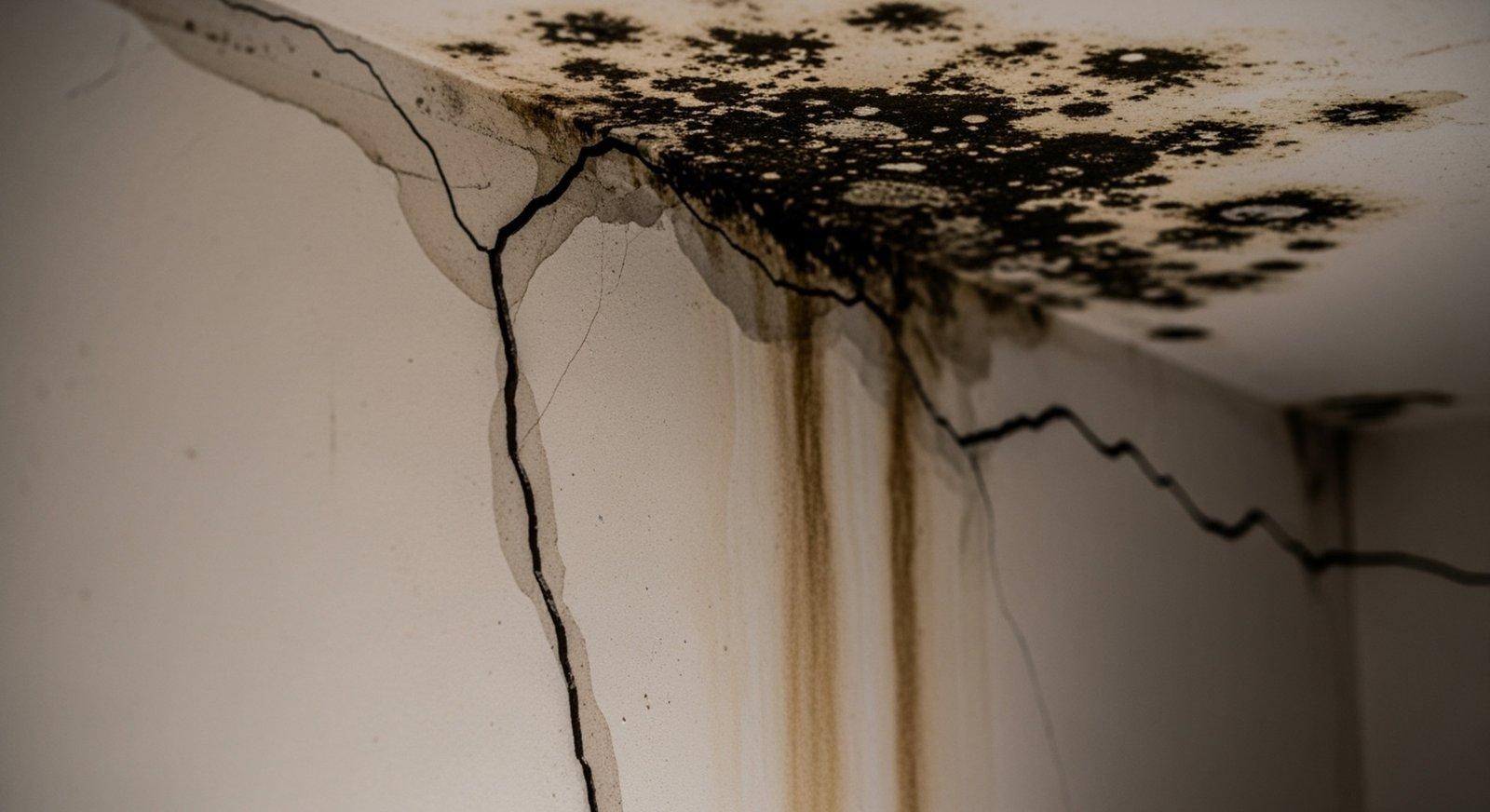
If you notice any of these, get a professional to check things out right away to keep everyone safe and prevent further damage.
What to Do After an Inspection
Once you have received your inspection report, act on it. Make a list of what needs repairing by using the report, get the appropriate assistance, and revise your maintenance schedule when necessary.
It might be necessary to employ contractors to repair, invite experts to deal with intricate problems, or reschedule the frequency of the future inspections. Your guide in taking care of the building and maintaining it up to standard is the inspection report.
When to Adjust Your Inspection Plan
Your inspection schedule shouldn’t be permanent. Review and change it if you:
- Do big repairs or renovations
- Have a change in who uses the building or how it’s used
- Notice weather or climate becoming more severe
- See updates in local building rules
- Start noticing small issues between inspections, suggesting more frequent checks are needed
Managing your property well means checking in often, staying flexible, and being ready to shift your plans to keep your building safe, efficient, and lasting as long as possible.