The Historical Significance Of Birthstones: From Ancient Traditions To Modern
People have been using birthstones throughout the history. The credit not only goes to their outer beauty but also to their symbolism and healing powers. From the royal courts to modern jewelry boutiques, these colorful gems have carried stories across time. For example, the Original labradorite crystal has remained timeless due to its regal hue and spiritual symbolism. It graced the crowns of kings and queens as well as the hands of everyday believers seeking calm and protection. Today, while birthstones make for gorgeous accessories, their history reveals much more than just aesthetic value, and we’re going to explore this in the blog.
Ancient Origins: Where It All Began
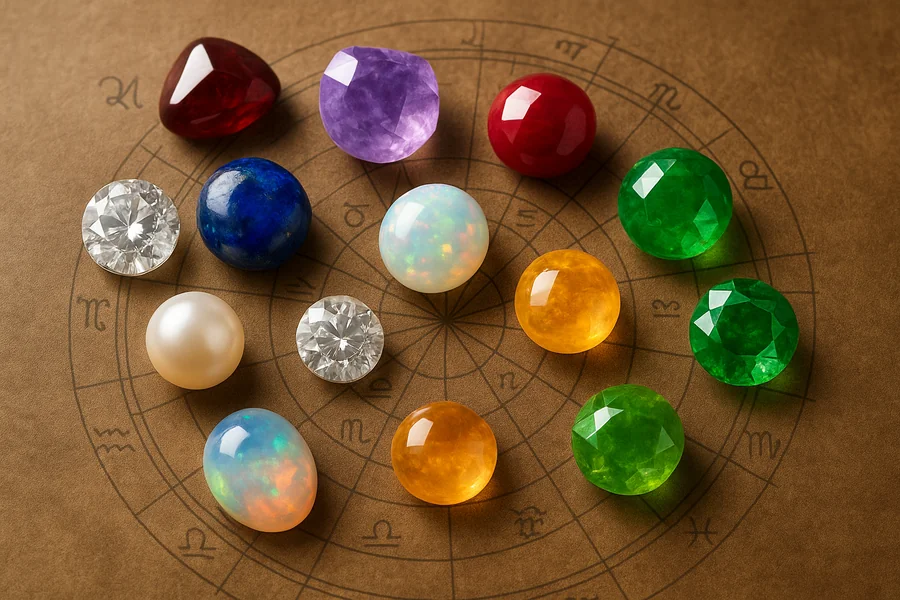
Historians link the tradition of birthstones to the biblical description of Aaron’s breastplate. had twelve gemstones. Every gemstone symbolized Israel’s twelve tribes. Owing to this belief, the stones gradually got associated with the twelve zodiac signs and then the twelve months for the year.
Civilizations from the Egyptians to the Babylonians also believed gemstones had mystical properties. Let’s consider the example of amethyst. Ancient Greeks used it as they believed that this gemstone could project against intoxication, where is where amethyst gets its name from (it’s a Greek word “amethystos” which translates into “not drunk”). Whether you wore it on your crown, ring, or amulet, the belief in the gem’s power was universal.
Opals and the Roman Touch
When we talk about ancient gemstone traditions, we can’t forget opals. In ancient Rome, opals had a reputation for being the most precious amongst all the gemstones available at that time. That’s because they displayed the colors of every other stone (we call it the play of color). Poets even compared opals to volcanoes and galaxies and it made them a coveted gift among Roman nobility.
Today, when you buy loose opal stone pieces, you’re not just acquiring a gemstone but also owning a piece of that rich Roman legacy. Besides that, you can never get two lookalike pieces of an opal, which makes it so unique.
Shared Symbolism
Different cultures have interpreted birthstones in their own ways. But there’s one theme which remains somewhat similar – these stones are tied to identity, destiny, and fortune.
For example, in Hindu traditions, the Navaratna or the nine gems are worn for astrological balance. Similarly, Chinese culture associates certain stones with specific lunar months and elements and also links them to harmony and prosperity.
This is why the demand for natural gemstones for sale has remained steady through the centuries. That’s because authentic stones carry a charm and energy that synthetic imitations can’t replicate.
The Birthstone Calendar We Know Today
The modern list of birthstones wasn’t formalized until 1912, when the American National Retail Jewelers Association (now Jewelers of America) standardized the chart for commercial purposes. Before that, people wore different stones each month according to ancient customs. However, each culture and region had a slightly different list.
Today’s list pairs each month with one or more stones. This standardization has made birthstones a go-to choice for gifts.
Why This Tradition Will Never Fade
The tradition of birthstones has survived many centuries it’s not going anywhere. Their adaptability is part of their charm. You can wear a vintage-inspired emerald pendant one day and a sleek, minimalist aquamarine ring the next. You can stack multiple birthstones or keep a single stone, whichever way it feels comfortable to you.
Since they fit seamlessly into today’s aesthetics, they can be worn daily or reserved for life’s biggest milestones but either way, they hold meaning.
Modern Meanings, Ancient Roots
Even in today’s modern world, birthstones maintain their significance. Many people wear them for their symbolic properties whereas others simply love how a birthstone connects them to a specific month, memory, or person.
From a gifting perspective, they strike the perfect balance: personal without being overly sentimental, luxurious without feeling impractical. Whether you’re choosing a necklace for a graduation, a bracelet for Mother’s Day, or a ring for an anniversary, birthstones naturally feel like they “belong” to the recipient.
Shopping for Authentic Birthstones
In a market full of synthetics and treated stones, finding real stones can be challenging, especially if you’ve very little knowledge about gemstones. That’s where trusted sellers like GemstonesForSale can be a reliable option. They are known for wide-ranging natural gemstones and ethical sourcing. You can also get both raw and polished stones from them.
The Final Words
Birthstones are like a legacy that you can wear. They remind us that jewelry isn’t just decoration but also a story, a belief, and sometimes even a blessing.
So, next time you’re confused about gifting, go for birthstones without a doubt. Beyond the sparkle, they can also serve as a support tool in someone whose embarking on a new journey and chapter in life.